


BEL APPART LE CANNET.COM
--------------------------------------------------------------------------------------------
RENTAL OF FURNISHED APARTMENTS
IN THE CITY OF CANNET

BEL APPART LE CANNET.COM
--------------------------------------------------------------------------------------------
RENTAL OF FURNISHED APARTMENTS
IN THE CITY OF CANNET
Belappartlecannet.com

Do you want to discover the most beautiful villages and towns on the French Riviera?
The ones that make you dream?
Here is a selection of the most stunning places in the Alpes-Maritimes just for you
A Glorious Past...
Somewhat isolated amid a landscape of mountains, olive groves and limestone cliffs, Peille seems almost suspended above the valley. Unlike some of the more touristy villages on the French Riviera, Peille has managed to preserve its peaceful atmosphere, with its old stone houses huddled closely together, vaulted passageways, stone staircases and narrow, winding streets.
Of Celto-Ligurian origin, Peille has a particularly rich history dating back to prehistoric times. The earliest traces of human settlement in the area are believed to date from the Neolithic period, around 5,000 BC, reflecting an ancient human presence that has continued to the present day.
During the Middle Ages, Peille enjoyed a period of prosperity and acquired considerable political and administrative importance. Initially organised as a consulate, the village later became the administrative centre of a bailiwick comprising 18 communities, making it one of the most important administrative centres in the hinterland of Nice.
Its history was also shaped by the many changes of sovereignty that influenced the region over the centuries. Following the fall of Napoleon in 1814, Peille returned to the authority of the Kingdom of Piedmont-Sardinia, to which it remained attached until 1860. That year, following the Treaty of Turin and the annexation of the County of Nice by France, Peille became permanently part of French territory.
Today, this charming hilltop village retains numerous reminders of its prestigious past: medieval streets, ancient fortifications, aristocratic palaces, churches and chapels all recall the days when Peille played an important role in the history of the Nice hinterland.
Peille is best explored on foot, taking the time to wander through its maze of medieval streets. Much of its charm lies not only in its remarkable architectural heritage, but also in its peaceful atmosphere and authentic character.
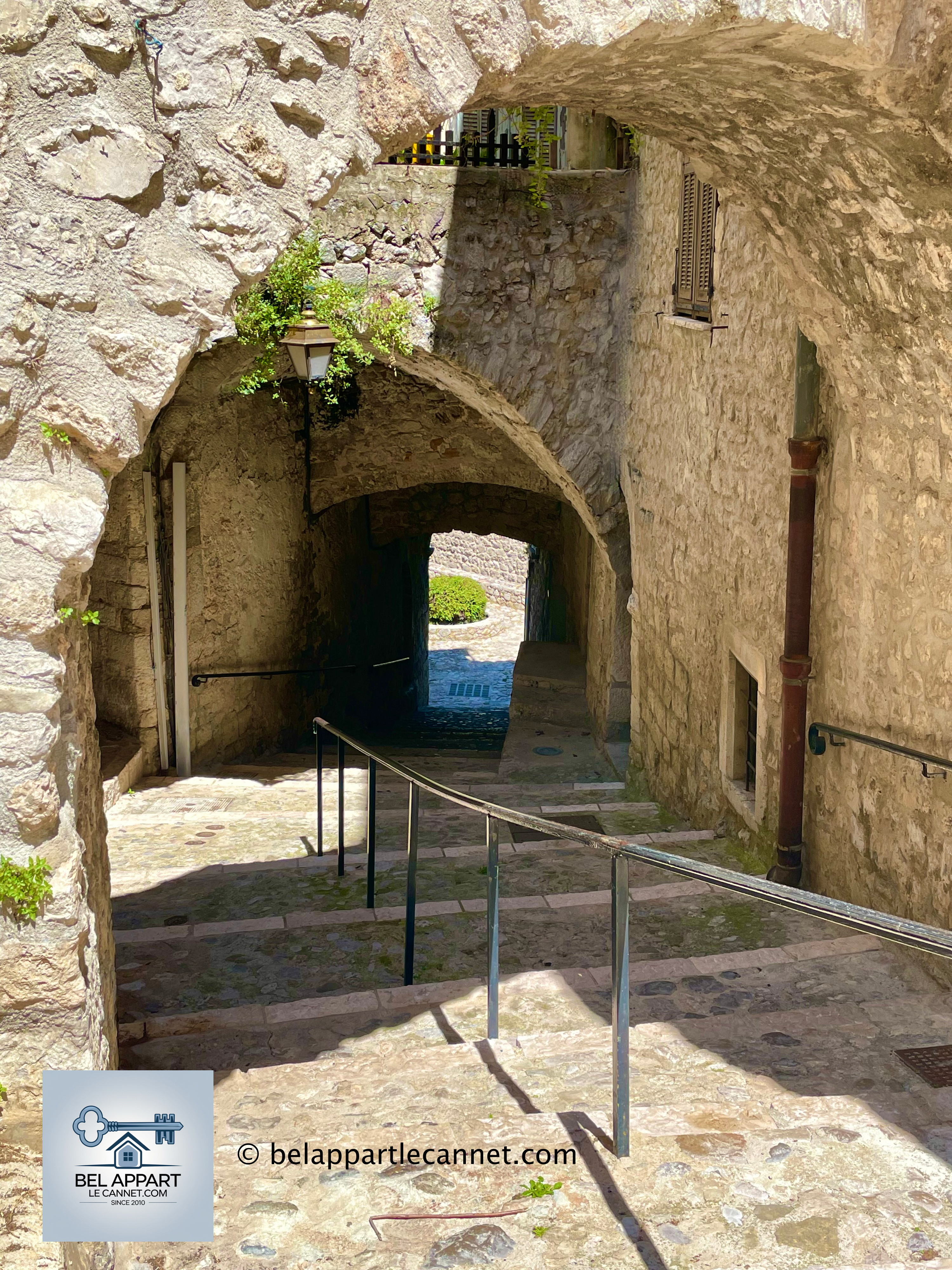

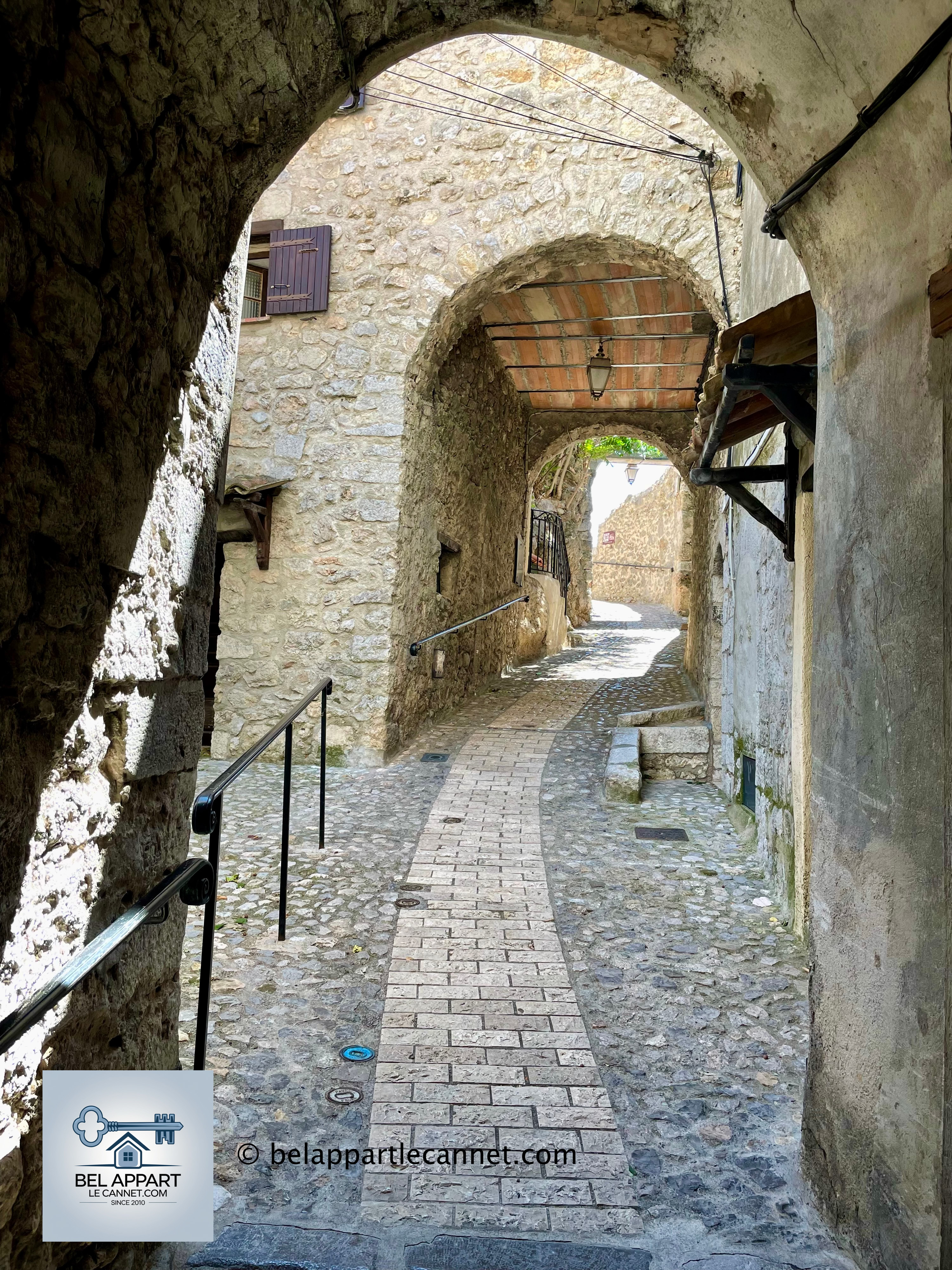
Place du Mont-Agel and the Palais des Consuls

Continuing towards the upper part of the village, you will discover the Palais Lascaris, built in the 17th century on the site of the former medieval keep.
It was constructed by the powerful Lascaris-Vintimille family, who became Counts of Peille in 1651.
Unlike the village’s more modest houses, this impressive building reflects the prestige and influence of the powerful aristocratic family, which played an important role in the history of the County of Nice.
The palace was built right on the edge of the cliff, occupying a particularly spectacular position overlooking the surrounding landscape.
Today, it houses the municipal multimedia library and several meeting rooms. Guided visits may be arranged upon request through the local council.


How to Get to Peille?
• By car: 57 km – approximately 1 hour
For more information, visit: https://www.tourisme.peille.fr/
Ce site web utilise les cookies. Veuillez consulter notre politique de confidentialité pour plus de détails.