

BEL APPART LE CANNET.COM
--------------------------------------------------------------------------------------------
RENTAL OF FURNISHED APARTMENTS
IN THE CITY OF CANNET

BEL APPART LE CANNET.COM
--------------------------------------------------------------------------------------------
RENTAL OF FURNISHED APARTMENTS
IN THE CITY OF CANNET
Belappartlecannet.com

Do you want to discover the most beautiful villages and towns on the French Riviera?
The ones that make you dream?
Here is a selection of the most stunning places in the Alpes-Maritimes just for you
A Medieval Atmosphere...
Nestled in the heart of the Bévéra Valley, in the hinterland of Nice and located just a few kilometers from the Italian border, this medieval village long occupied a strategic position on the ancient Salt Route linking Nice to the Italian region of Piedmont. Thanks to this trade, Sospel enjoyed great prosperity, which is still reflected today in its many monuments and beautiful historic houses.
The Old Bridge
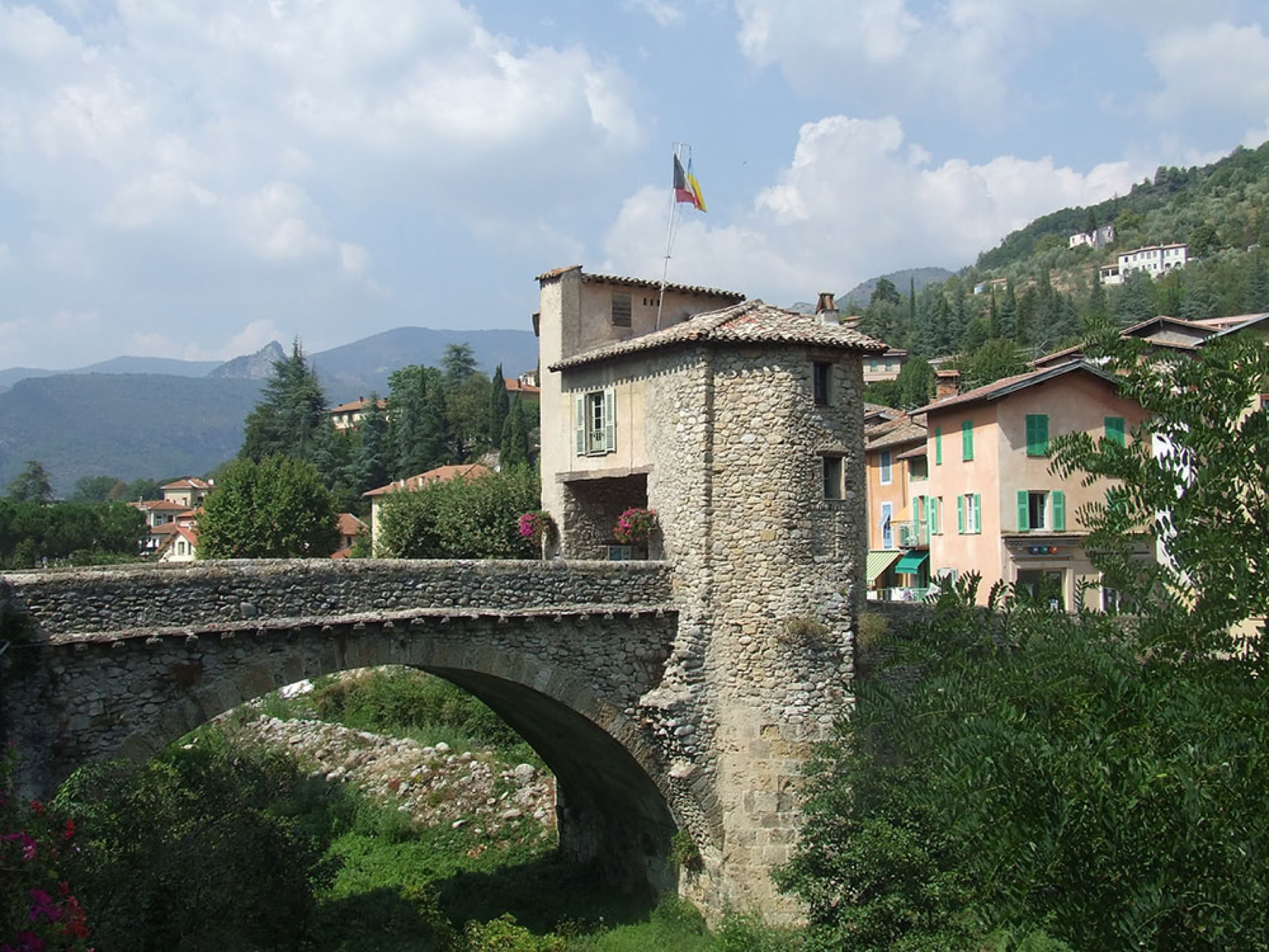
The first landmark to catch the eye is Sospel’s famous Old Bridge. A true symbol of the village, this fortified bridge spanning the Bévéra River is one of the last of its kind still visible in Europe.
Originally built in wood during the 13th century, it was rebuilt in stone in 1522 to support its central tower. It was once used by mule caravans transporting salt and goods between the Mediterranean and Piedmont.
Its central tower was used to control the passage and remains the most iconic image of Sospel today.
Damaged in 1944 during the Liberation of France, it was completely restored.
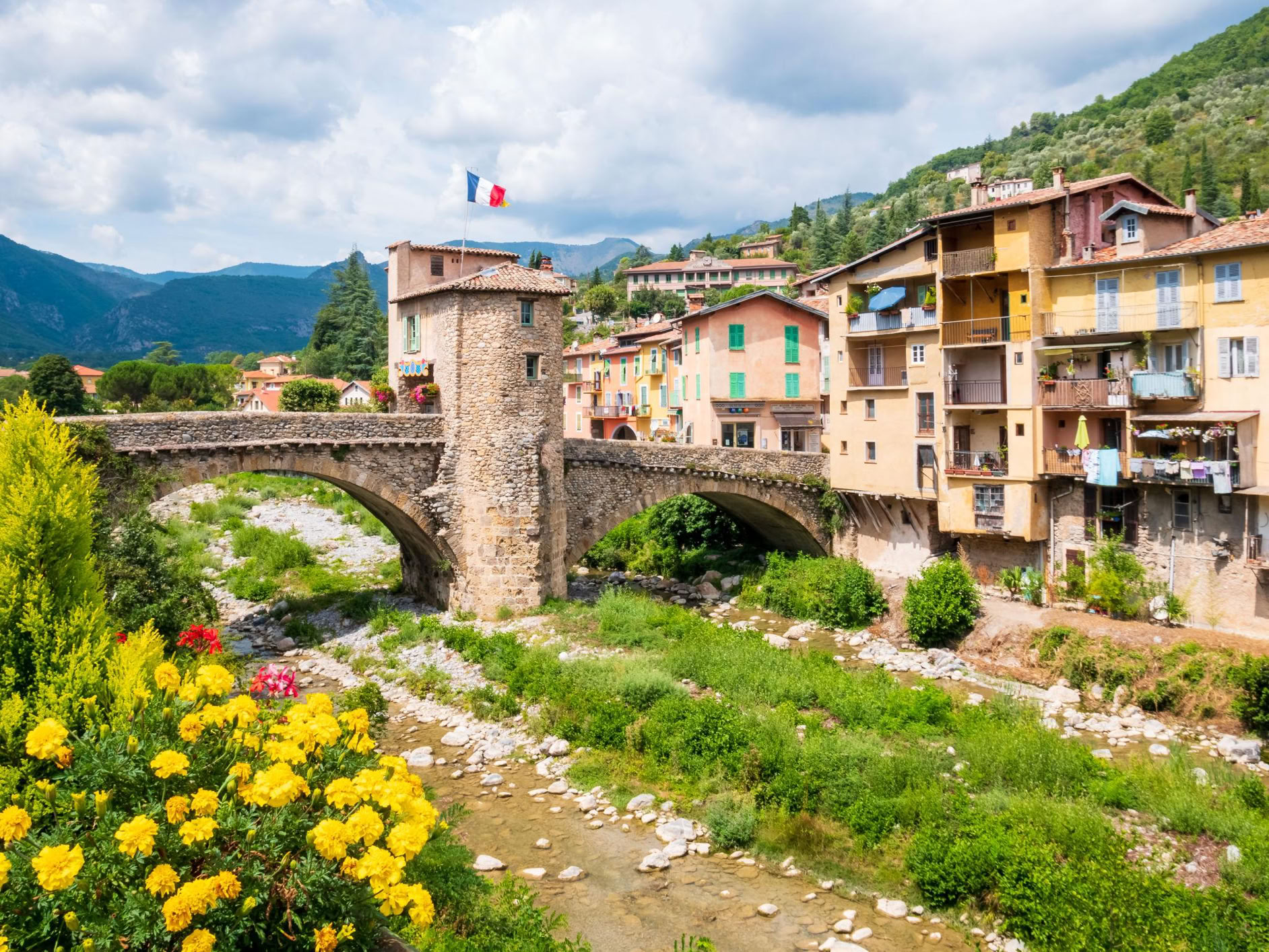
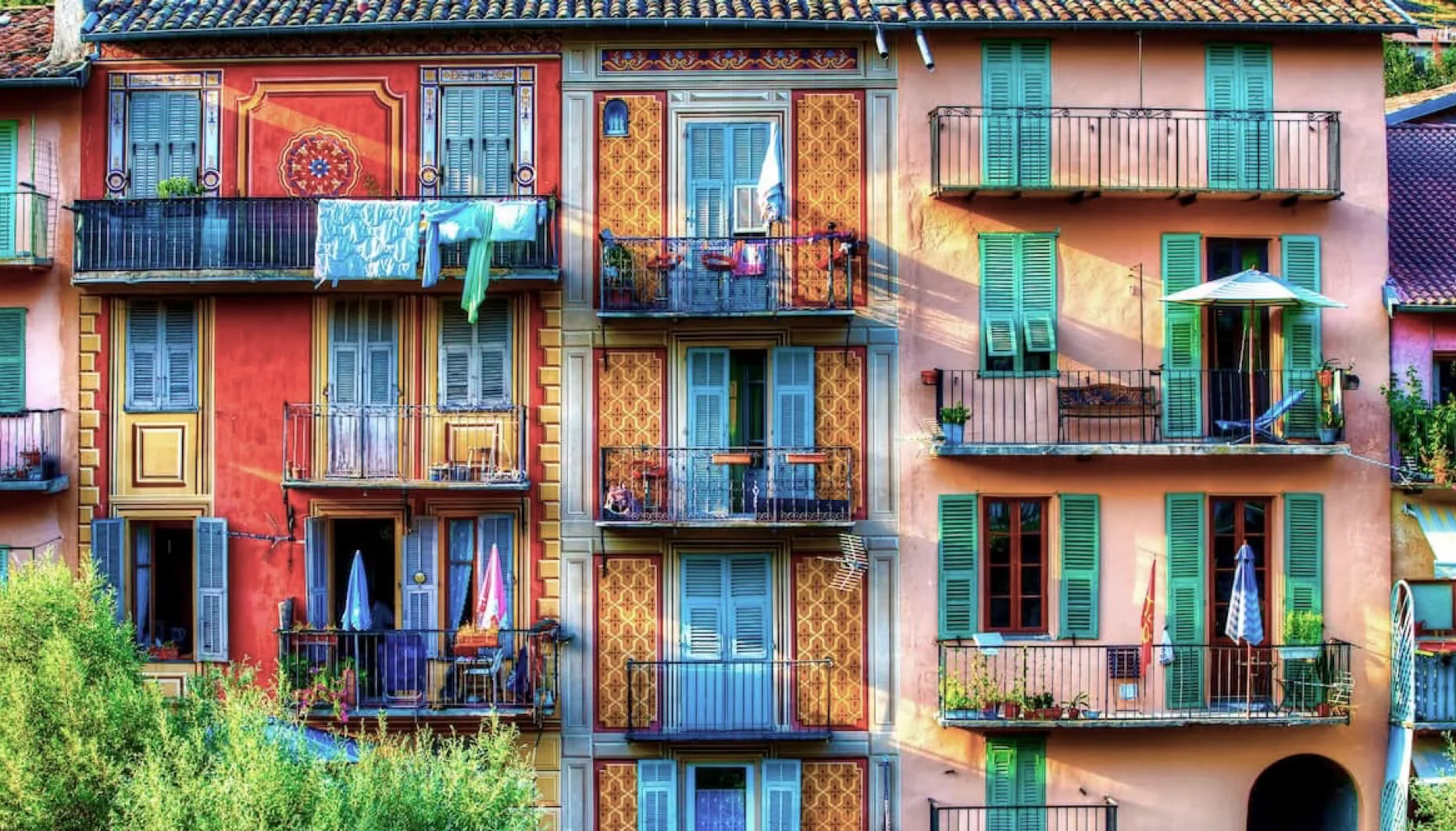
One of Sospel’s most charming surprises can be discovered along the banks of the Bévéra River. As you stroll beside the water, you will quickly notice the traditional Ligurian façades in pale pink and yellow that line the river and give the village an almost Italian character.
Some of these old houses are decorated with remarkable trompe-l'œil paintings created directly on their façades. These decorations, far less expensive than stone carvings, were produced by Italian artists. Most of them were restored by the fresco artist G. Cappa during the 1990s.
Frescoes, scrolls, cornices, decorative frames and even painted imitation tiles enrich the architecture of these simple houses, creating a particularly successful illusion of prosperity.
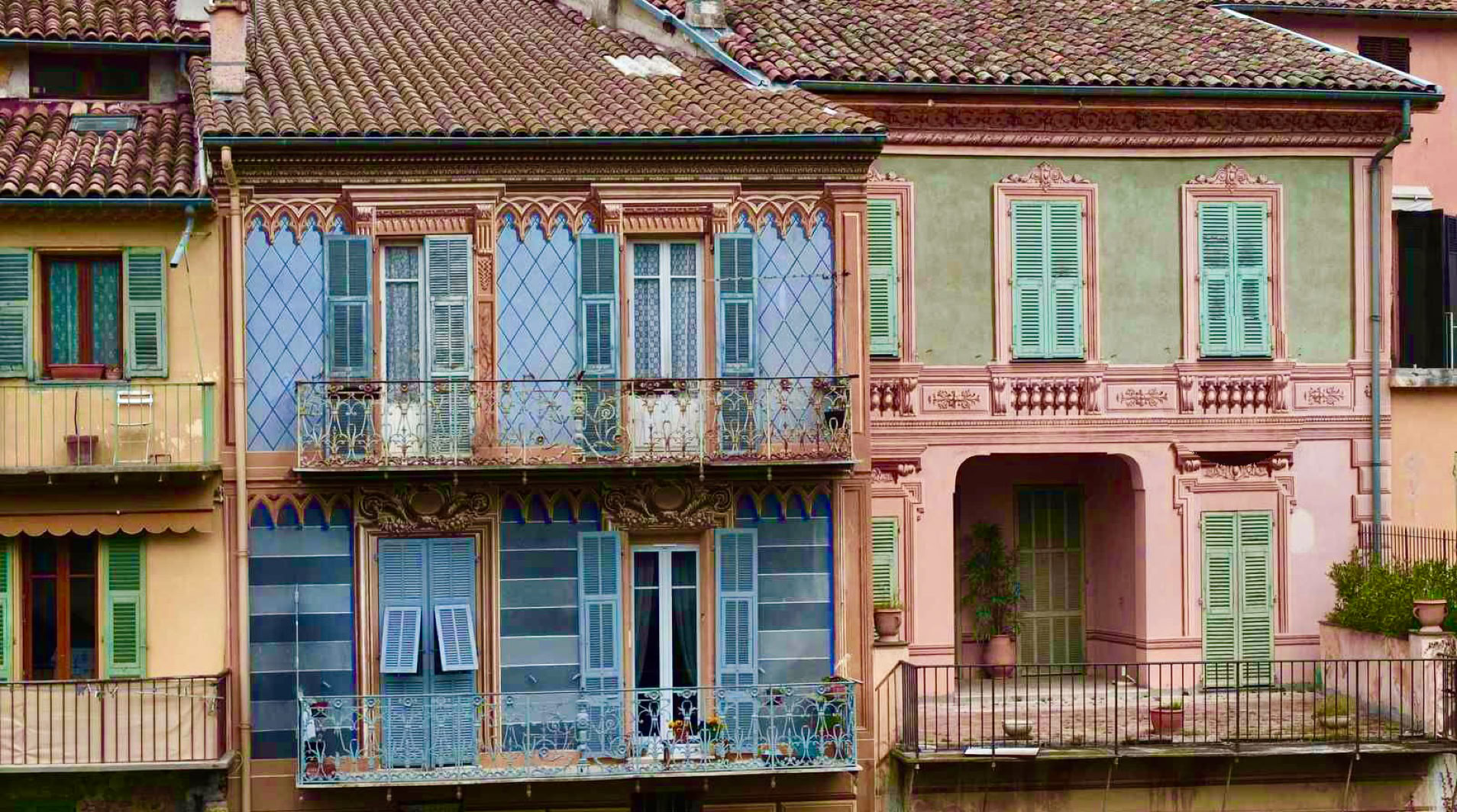
Among Sospel’s must-see sites is the magnificent Place Saint-Michel, the true historic heart of the village. Lined with old houses, arcades, and colourful façades, it forms one of the finest architectural ensembles in the hinterland of Nice.
Saint Michael’s Cathedral
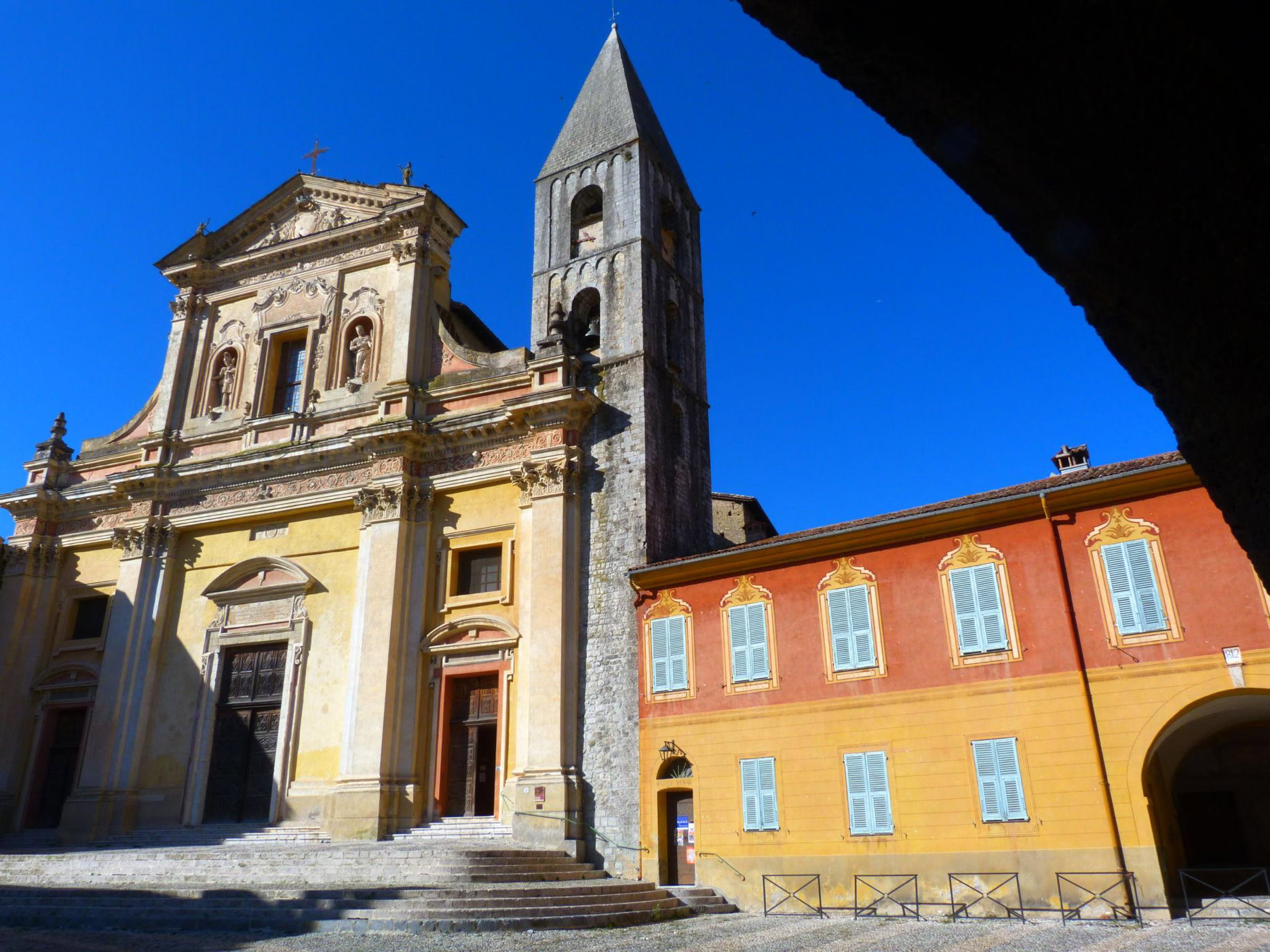
The square is dominated by the majestic Saint Michael’s Cathedral.
Built between the 17th and 18th centuries in an elegant Italian Baroque style, it impresses visitors with its size and the richness of its architecture.
Its imposing façade is complemented by a much older feature: its Romanesque bell tower, whose oldest sections date back to the 11th century.
This contrast between Romanesque and Baroque styles reflects the long religious history of Sospel. The cathedral houses a remarkable work of art, the altarpiece known as the “Immaculate Virgin.”
This three-panel altarpiece was created in 1520 by François Bréa, a member of a family of painters from the Nice
region.
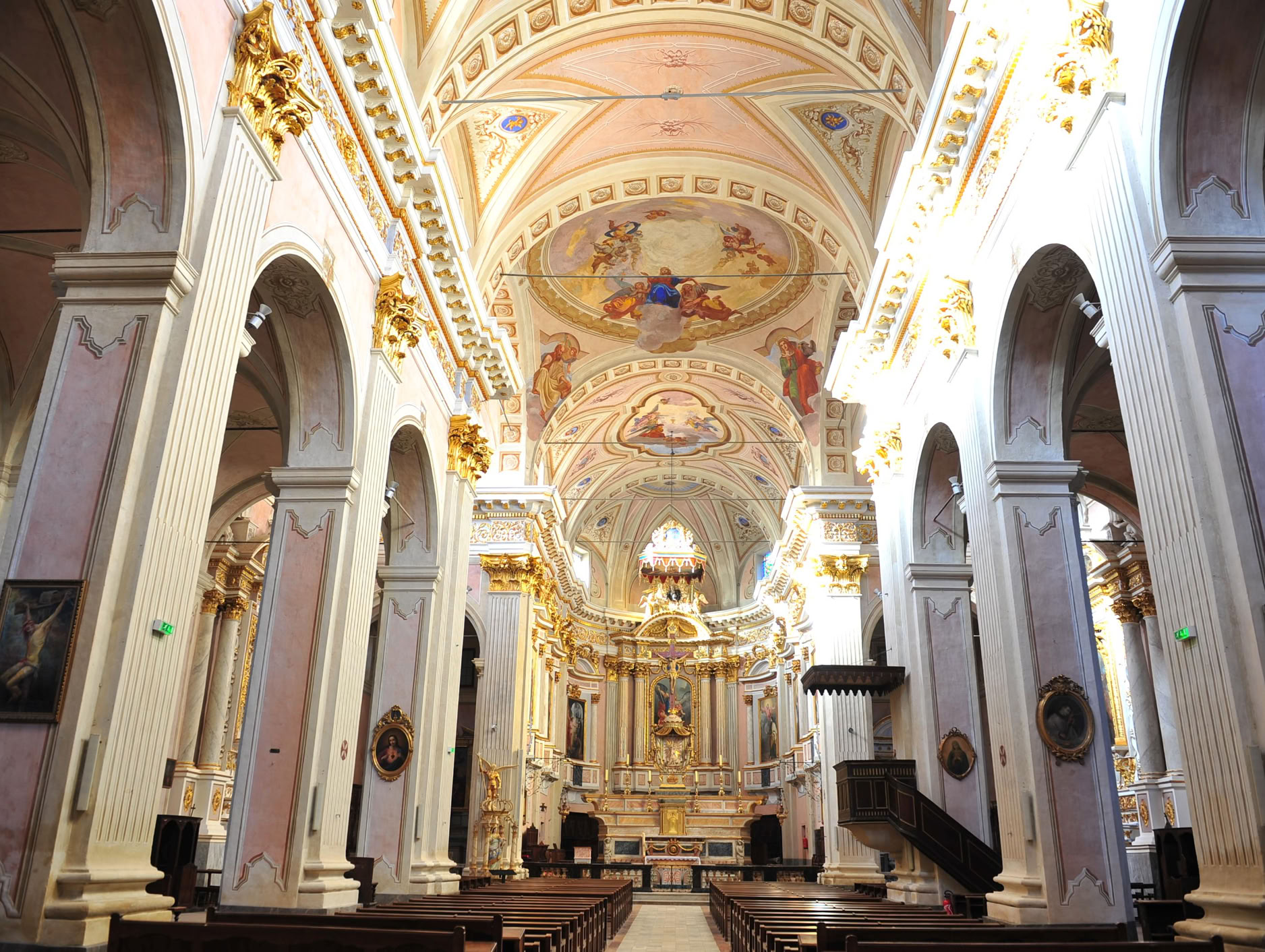
One of the most remarkable aspects of Sospel is the extraordinary richness of its religious heritage.
Over the centuries, the village has acquired an impressive number of churches, chapels, and shrines, reflecting the importance of faith in the daily lives of its inhabitants.
The street leading to the cathedral also deserves your full attention. Looking up, you will discover many old houses featuring beautiful twin-arched windows and mullioned windows, characteristic of medieval architecture.
These architectural details are a reminder of Sospel’s prosperity when it controlled a significant share of the trade between the Mediterranean and the Italian region of Piedmont.
One of the most surprising features of the square is its traditional paving made of white and grey pebbles arranged in original geometric patterns. This type of pavement, typical of certain squares in Liguria and the former County of Nice, gives the entire setting a unique charm.
Fort du Barbonnet (also known as Fort Suchet)
Majestically overlooking the Bévéra Valley and the village of Sospel, Fort du Barbonnet is one of the most impressive military sites in the hinterland of Nice.
Perched at nearly 850 metres above sea level on a rocky spur, it enjoys an exceptional strategic position. From its heights, the view extends over the entire Bévéra Valley, the roads leading from Italy, and the surrounding mountains.
It is easy to understand why this site was chosen to defend the access routes to Nice.
Built between 1883 and 1886 as part of the defensive system designed by General Séré de Rivières, the fort was intended to monitor the communication routes linking the Italian border to the Mediterranean coast. At that time, the young Third Republic was significantly strengthening its defences following the Franco-Prussian War of 1870.
The fort takes the form of an imposing stone fortress surrounded by ditches and powerful ramparts. Designed to accommodate several hundred soldiers, it included barracks, ammunition stores, artillery positions, water cisterns, and numerous underground facilities.
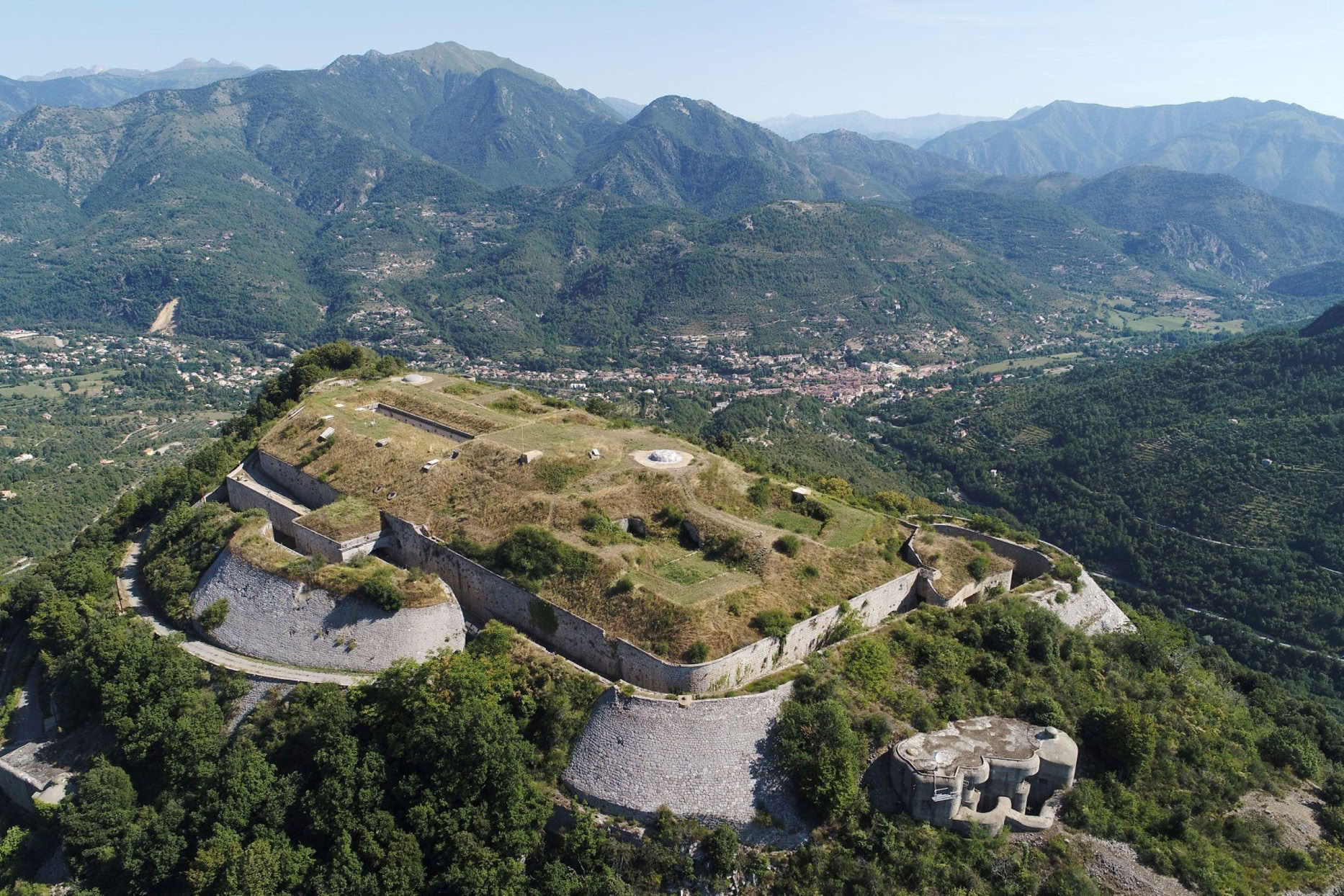
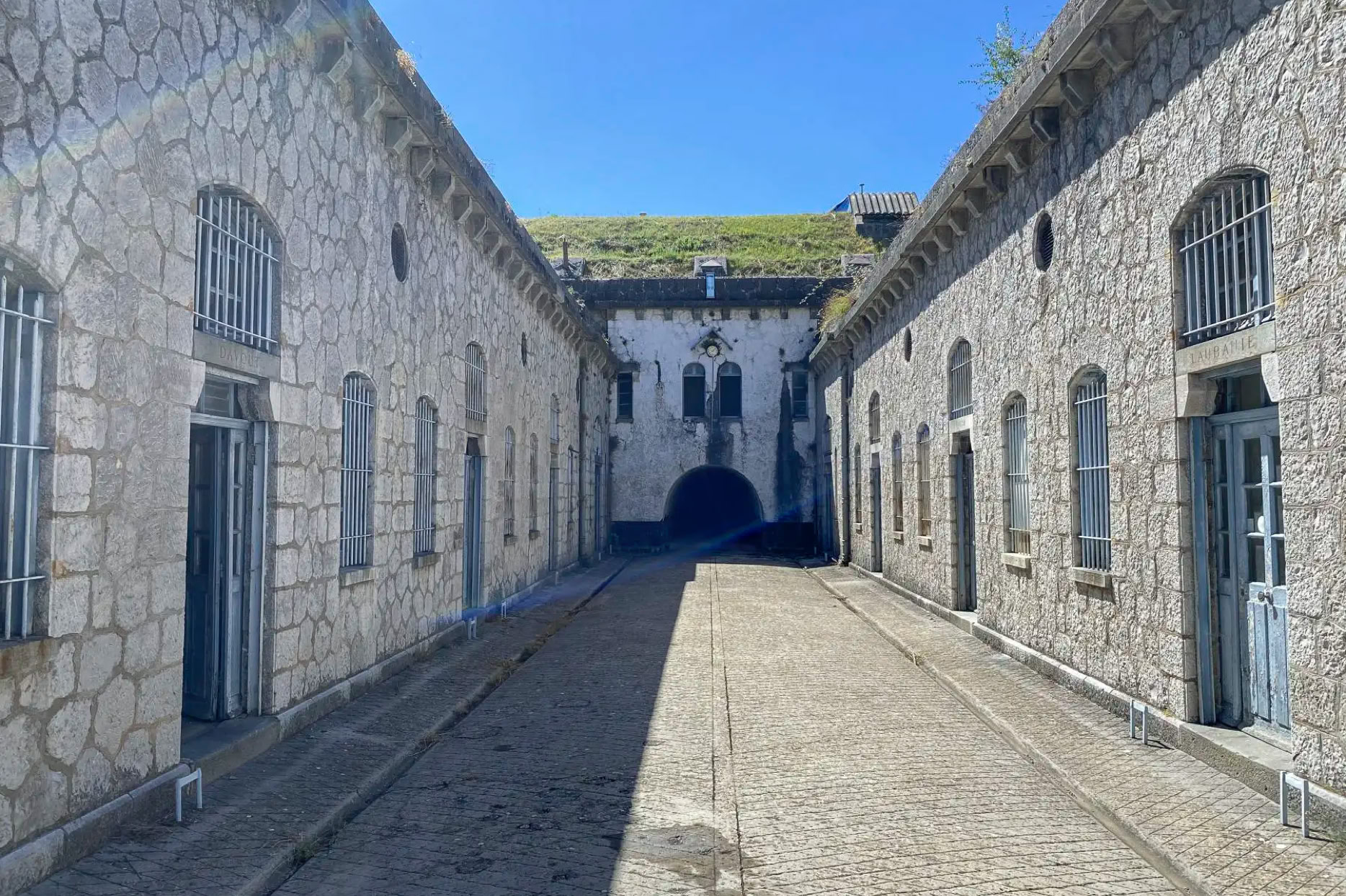
At the beginning of the 20th century, advances in artillery gradually made the older forts vulnerable. The Barbonnet sector was therefore modernised with the construction of the Barbonnet Fortification, which became part of the Alpine Maginot Line.
This unique feature makes Barbonnet a remarkable site where two generations of fortifications coexist: the 19th-century stone fort and the reinforced-concrete underground structures of the Maginot Line.
During the Second World War, the Barbonnet sector took part in the defence of the Alpine frontier against first Italian and later German troops. The Barbonnet positions played an important role in protecting the Roya Valley and the access routes to Nice.
The contrast between the power of the fortifications, the tranquillity of the mountains, and the beauty of the surrounding landscapes makes Fort du Barbonnet an essential stop for anyone interested in history, hiking, and military heritage in the hinterland of Nice.
Informations :
For further information: Tourist Office: 1 Place Saint-Pierre, 06380 Sospel - Tel: +33 (0)4 83 93 95 70
Sospel’s gastronomy perfectly reflects the history of the Bévéra Valley: a subtle blend of Niçoise cuisine, Italian Ligurian influences, and mountain traditions. Here, you will find ravioli and fresh pasta inherited from Piedmont alongside specialties from the hinterland of Nice, such as petits farcis (stuffed vegetables), daube niçoise (Niçoise beef stew), pissaladière (onion tart), and vegetable pies.
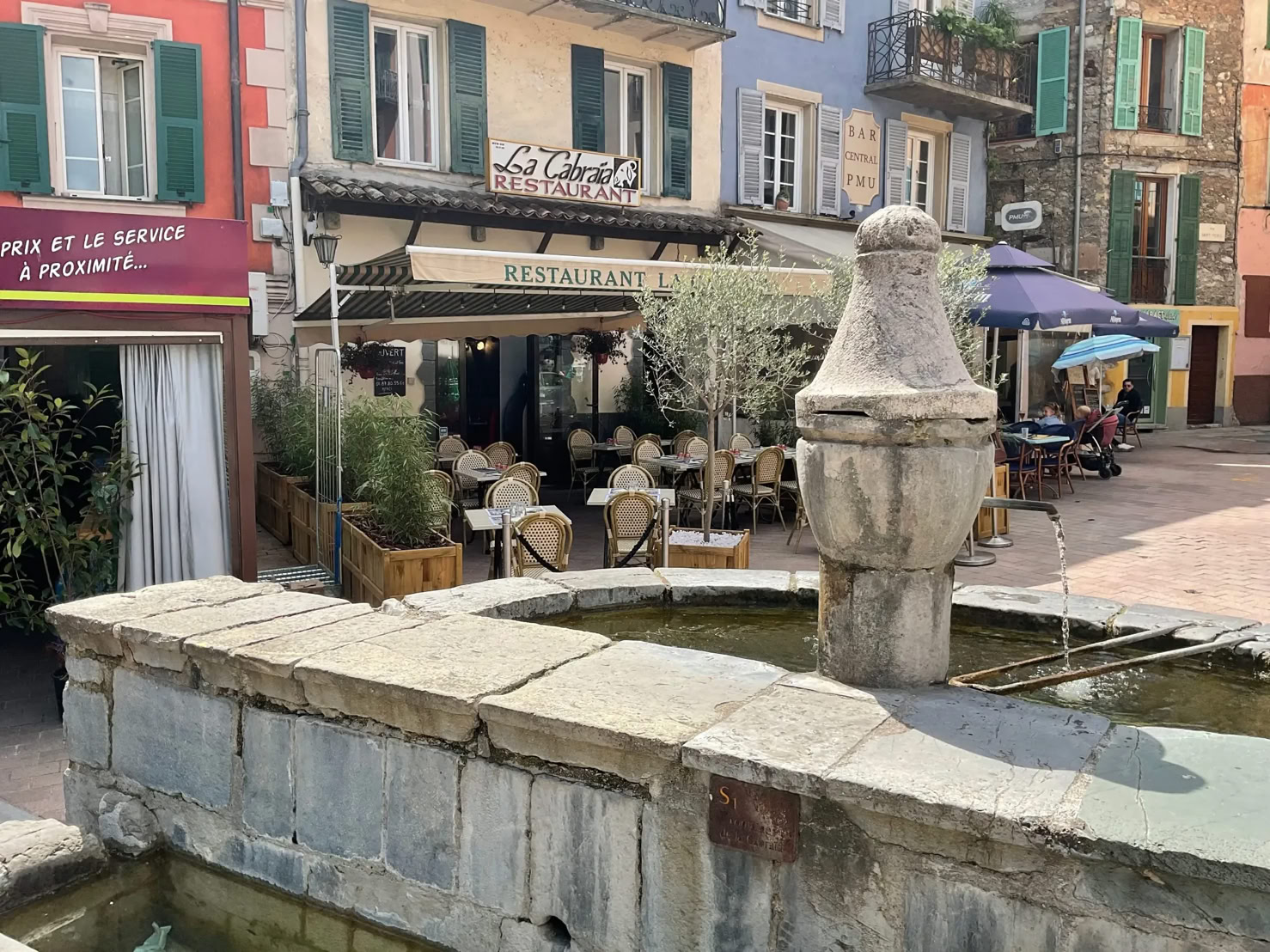
La Cabraïa
La Cabraïa is one of Sospel’s most popular restaurants. Located on the picturesque Place de la Cabraïa, it serves generous cuisine inspired by the traditions of the hinterland of Nice and the nearby Italian influences.
Its terrace allows guests to fully enjoy the authentic atmosphere of the village, in the shade of the old houses and the historic fountain.
Generous cuisine - €€
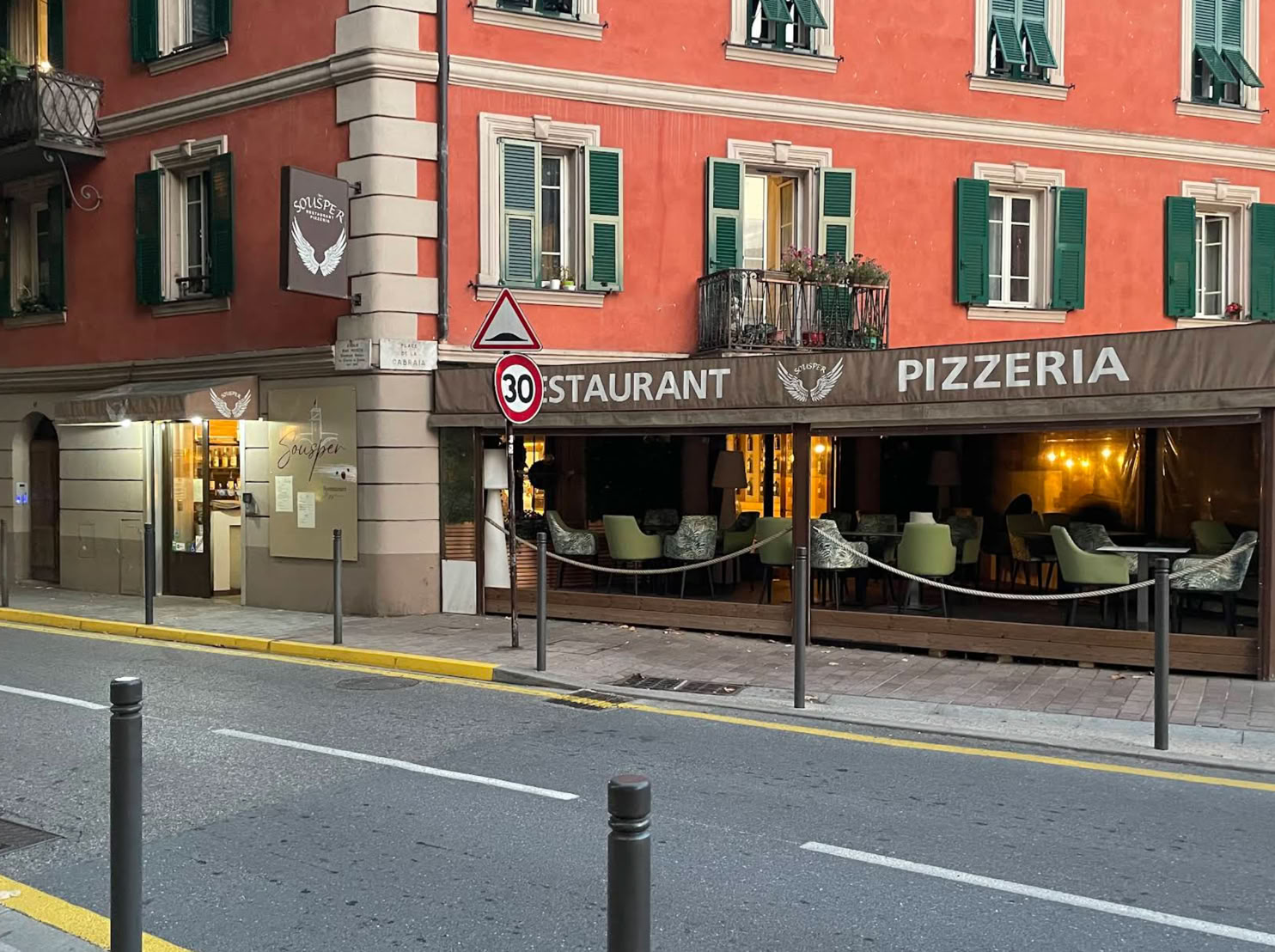
Sousper
It is one of Sospel’s best places to discover generous cuisine in a pleasant setting. Located in the heart of the village, with a beautiful terrace overlooking the Bévéra River, this restaurant offers Mediterranean cuisine with French and Italian influences, prepared using fresh ingredients.
Its warm atmosphere, friendly welcome, and varied menu make it an ideal stop after exploring the village. Whether for lunch on the terrace or dinner, Sousper is an excellent gastronomic stop in Sospel..
Mediterranean cuisine - €€
How to Get to Sospel
• By car: (72 km – 1 hour 20 minutes)
• By train: The Train des Merveilles – Departure from Nice Central Station at 9:32 a.m. → Arrival in Sospel at
10:32 a.m.
Link for further details: www.menton-riviera-merveilles.fr
Ce site web utilise les cookies. Veuillez consulter notre politique de confidentialité pour plus de détails.