


BEL APPART LE CANNET.COM
--------------------------------------------------------------------------------------------
RENTAL OF FURNISHED APARTMENTS
IN THE CITY OF CANNET

BEL APPART LE CANNET.COM
--------------------------------------------------------------------------------------------
RENTAL OF FURNISHED APARTMENTS
IN THE CITY OF CANNET
Belappartlecannet.com

Would you like a change of scenery for a day?
Discover another country without traveling too far?
Here is a selection of two iconic Italian towns located just a few kilometers
from the Alpes-Maritimes.
A true change of scenery…
Nothing compares to a day of escape just a stone’s throw from the French Riviera. To begin this Italian getaway, make your first stop in Ventimiglia, the first Italian town located just beyond Menton, in the province of Imperia in Liguria.
Vintimilglia
A journey through time
Just over an hour’s drive from Le Cannet, this border town reveals itself to be full of charm and surprises, even in winter. Known for its generous cuisine and lively shops, it attracts both food lovers eager to enjoy Italian trattorias and visitors who like to wander through its famous covered market in search of local products.
Many tourists initially come for the famous Friday market, only to discover a town far more appealing than they expected: lively, Mediterranean, authentic, and unmistakably Italian in atmosphere.
What people often love about Ventimiglia is precisely this contrast:
The Old Town
The old town of Ventimiglia, known as Ventimiglia Alta, is the historic heart and most authentic district of the city. Built on a hill overlooking the sea and the mouth of the Roya River, it offers a charming setting that is typically Ligurian.
From the very first streets, visitors discover an atmosphere completely different from the modern part of Ventimiglia. Narrow passageways, stone arcades, and staircases create the feeling of stepping back in time. The colorful façades, sometimes weathered by the years, recall the town’s medieval past.
Laundry hanging from windows and lively little squares add a very Italian touch to the whole scene.
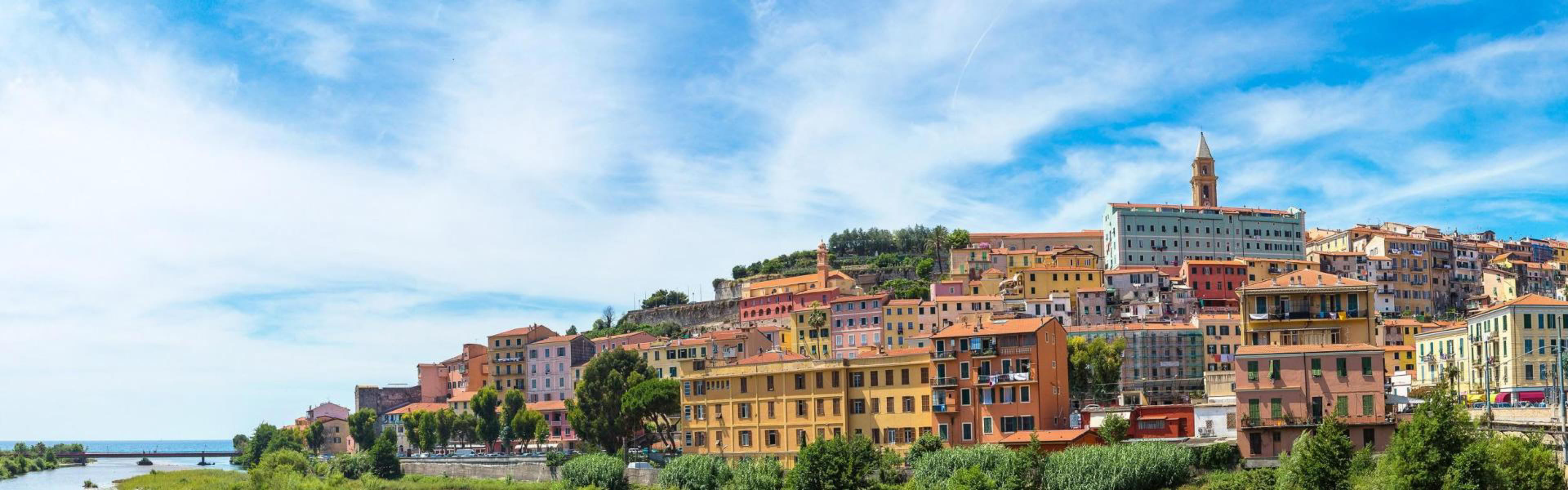
Ventimiglia Alta is the perfect place to wander without any particular itinerary. Every alleyway reveals an architectural detail, a small chapel, or a view over the Mediterranean Sea.
The old town is also home to several remarkable historic monuments. Among them is the Cathedral of Santa Maria Assunta, built in a sober and elegant Romanesque style. Nearby, the early Christian baptistery is considered one of the oldest religious monuments in Liguria.
Photography lovers especially appreciate the panoramic viewpoints overlooking the rooftops of the town and the sea.
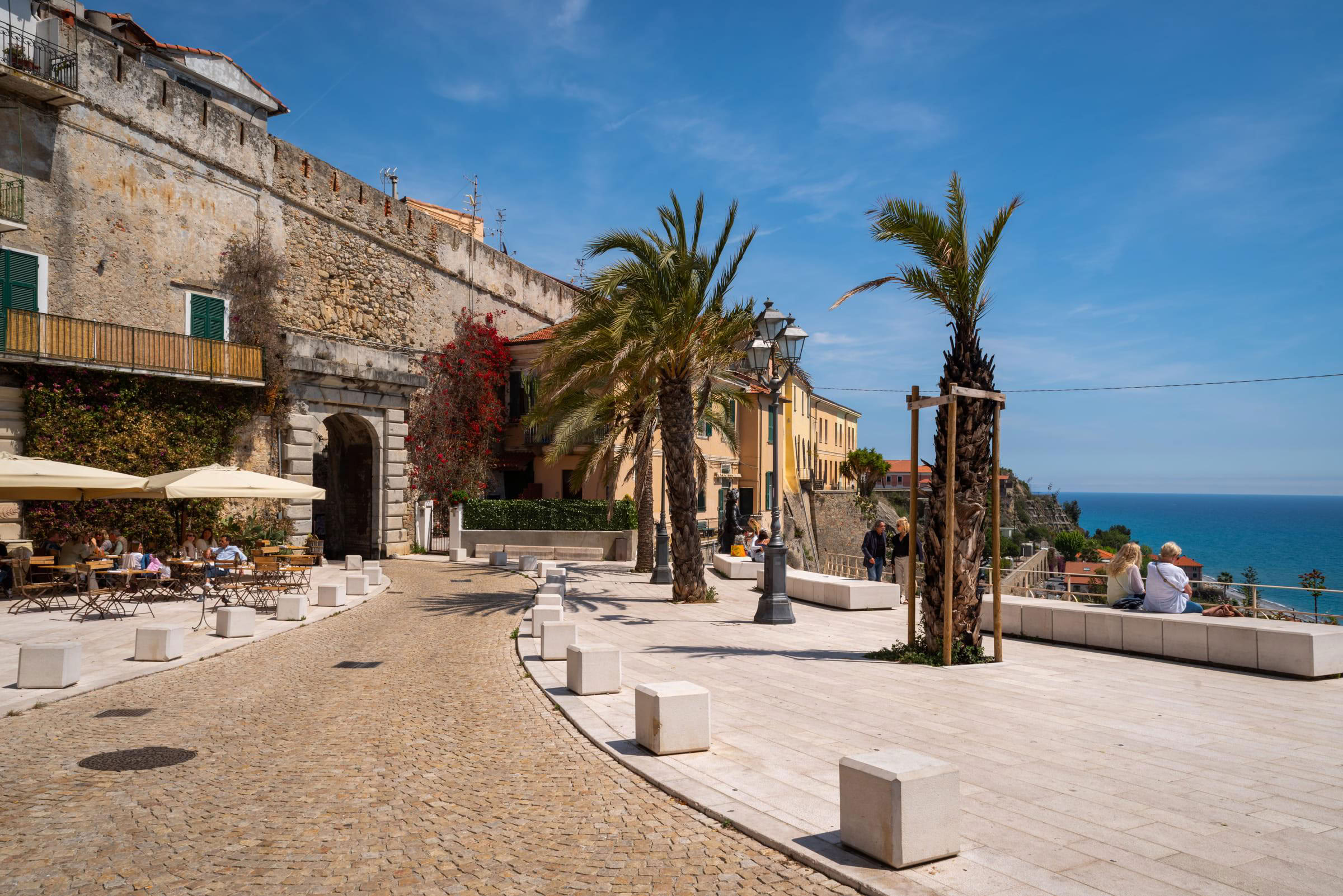
Belvedere del Funtanin
Belvedere del Funtanin is one of the most beautiful viewpoints in the old town of Ventimiglia.
Located on the far side of the historic district of Ventimiglia Alta, this small belvedere offers magnificent panoramic views over the sea, the colorful rooftops of part of the town, and the di Cala del Forte marina.
The place has a very peaceful atmosphere, far from the bustle of the market and shopping streets. It is reached by wandering through the narrow medieval lanes of the old town, passing beneath vaulted passageways, alongside ancient façades, and up small stone staircases.
The charm of the walk itself is almost as much a part of the experience as the panorama.
The name “Funtanin” refers to an old small fountain once located in this historic area. Today, the belvedere is especially appreciated for its peaceful atmosphere and its open views over the Mediterranean Sea.
It is the perfect place to take a break while exploring
Ventimiglia Alta in Ventimiglia.
The Small Covered Market
The small covered market of Ventimiglia is one of the town’s most authentic and welcoming places. Located not far from the modern center and shopping streets, it offers an immediate immersion into everyday Italian life.
Unlike the large Friday market, which is very popular with French visitors, this covered market has kept a more local and convivial atmosphere.
From the moment you enter, the colors and aromas immediately catch your attention. The stalls overflow with Mediterranean fruits and vegetables sold by local farmers.
You will also find many typical Italian specialties such as aged Parmesan, fresh mozzarella, antipasti, still-warm
focaccia, handmade pasta, and of course Italian cured meats.
The atmosphere is simple, lively, and deeply Mediterranean. Shopkeepers chat with regular customers in a mix of Italian, and sometimes French. Animated conversations fill the air, alongside the sounds of coffee machines and scooters passing through the nearby streets.
The market is especially pleasant in the morning, when the products have just been displayed and locals come to do their shopping. It is the perfect place to experience the true rhythm of Ventimiglia, far from the usual tourist routes.
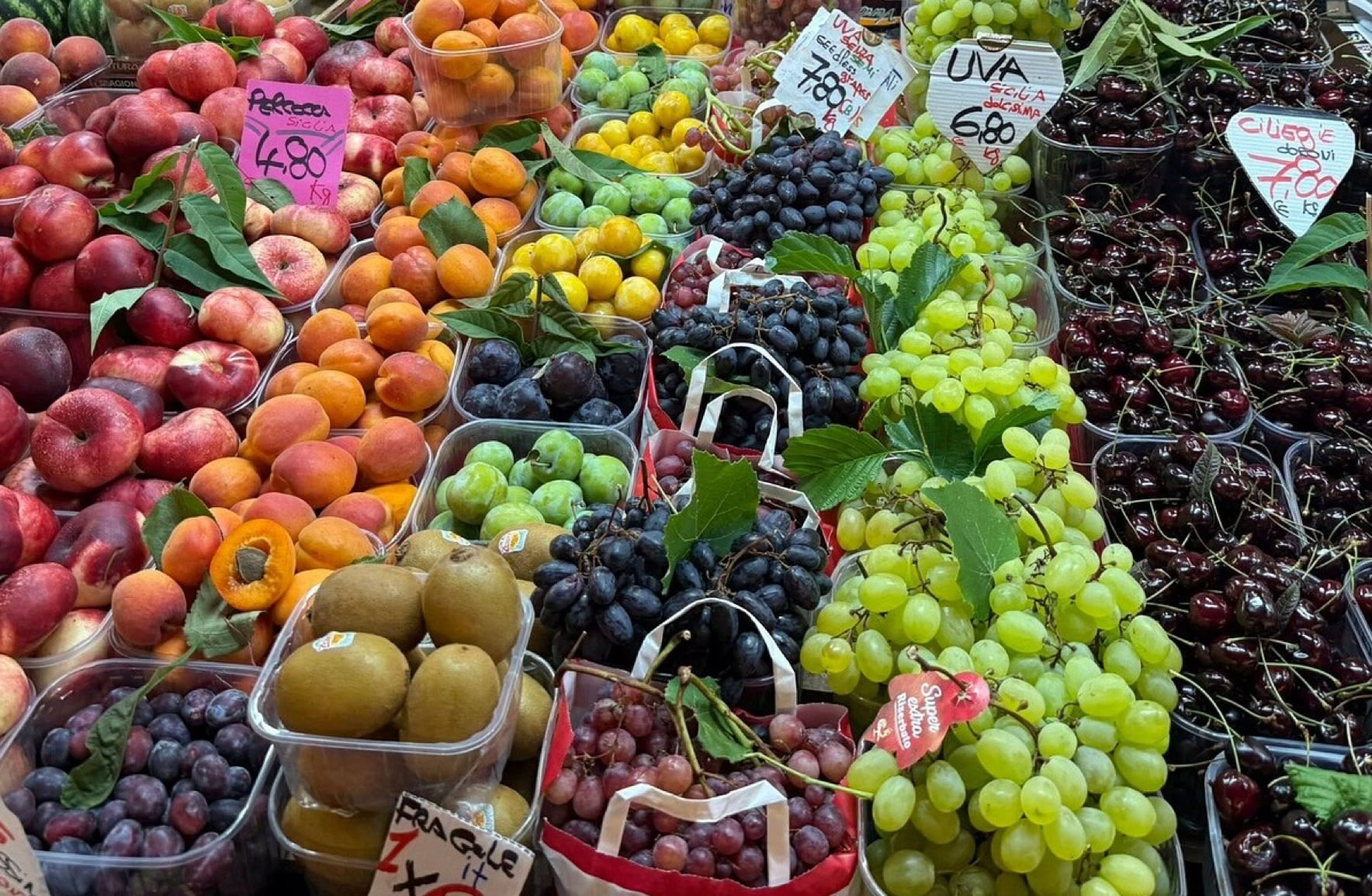
Many visitors enjoy buying a few local products there before continuing their stroll through Ventimiglia Alta or along the seafront.
The covered market is also a wonderful place to discover Ligurian gastronomy through simple yet high-quality products.
Opening hours:
Monday to Thursday: 7:00 AM – 2:00 PM / Friday to Saturday: 7:00 AM – 5:00 PM / Sunday: Closed
The Famous Friday Market
The famous Friday market of Ventimiglia is one of the best-known markets on the entire Franco-Italian Riviera. Every week, it attracts thousands of visitors from the French Riviera, including Menton, Nice, and Cannes.
Set up mainly along the seafront and the main avenues, the market completely transforms the atmosphere of the town from early morning onward. The ambiance is lively and colorful.
Vendors call out to passersby in a mix of Italian and French, offering clothing, vintage items, leather goods, shoes, household linen, costume jewelry, and many accessories at often very attractive prices.
⚠️ Please note: counterfeit goods can sometimes be found on certain stalls at the Ventimiglia Friday market.
Customs checks at the French-Italian border are frequent, and penalties can be significant.
If counterfeit goods are seized, fines may amount to one or even two times the estimated value of the fraudulent items, in addition to their confiscation. 🚫
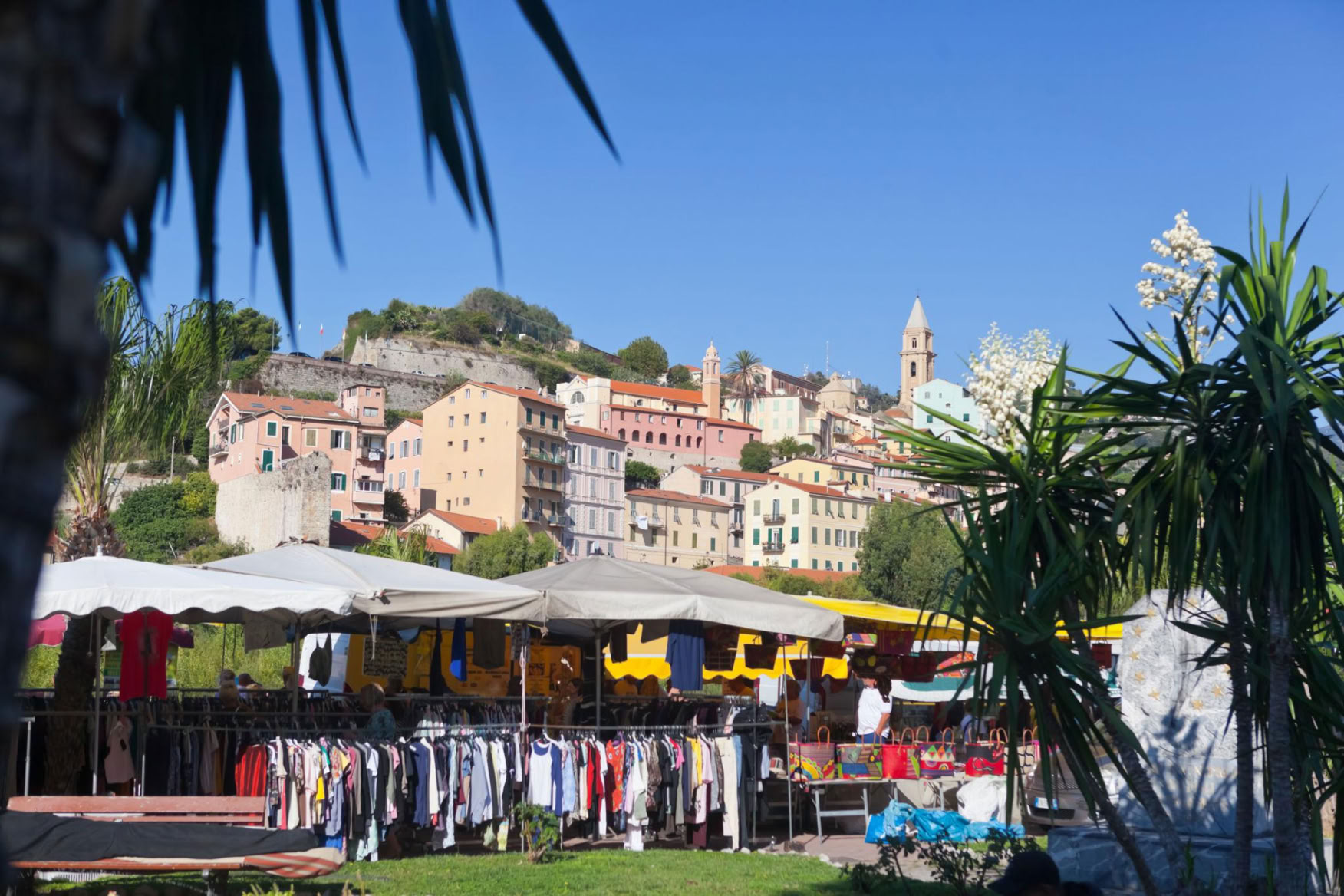
⚠️ It is also important to watch out for pickpockets, especially at this market. As in many large and crowded markets, it is advisable to keep personal belongings close to you, avoid leaving your phone or wallet in easily accessible pockets, and remain vigilant in the busiest areas.
Opening hours: Every Friday: 6:00 AM – 6:00 PM
The overall atmosphere of Ventimiglia is deeply Mediterranean, lively, and authentic. Here, visitors discover a simple and vibrant side of Italy, far from the luxury that is sometimes so present on certain parts of the French Riviera.
Spending a morning or a day in Ventimiglia means enjoying a true change of scenery just a few kilometers from France, in a warm and welcoming town where the Italian art of living can truly be felt..
Sanremo
The City of Flowers
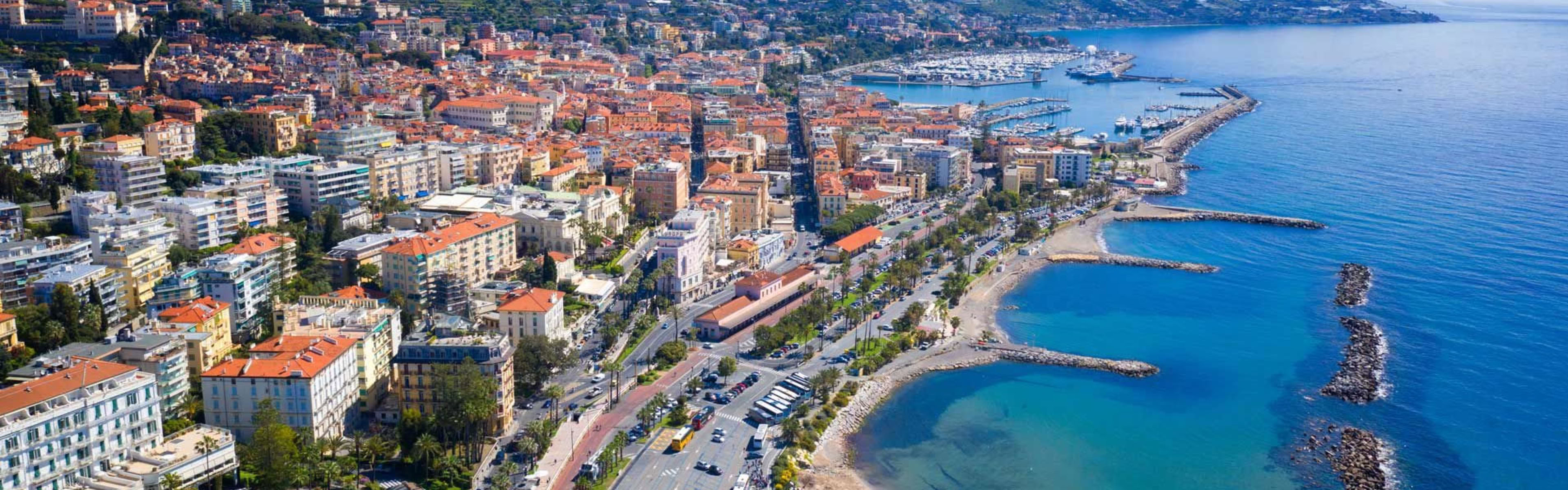
After discovering Ventimiglia, continue your Italian getaway toward Sanremo, an elegant seaside resort on the Italian Riviera located just a few kilometers away.
Often nicknamed the “City of Flowers,” Sanremo has a more chic and refined atmosphere than Ventimiglia, while still preserving the typical charm of Liguria.
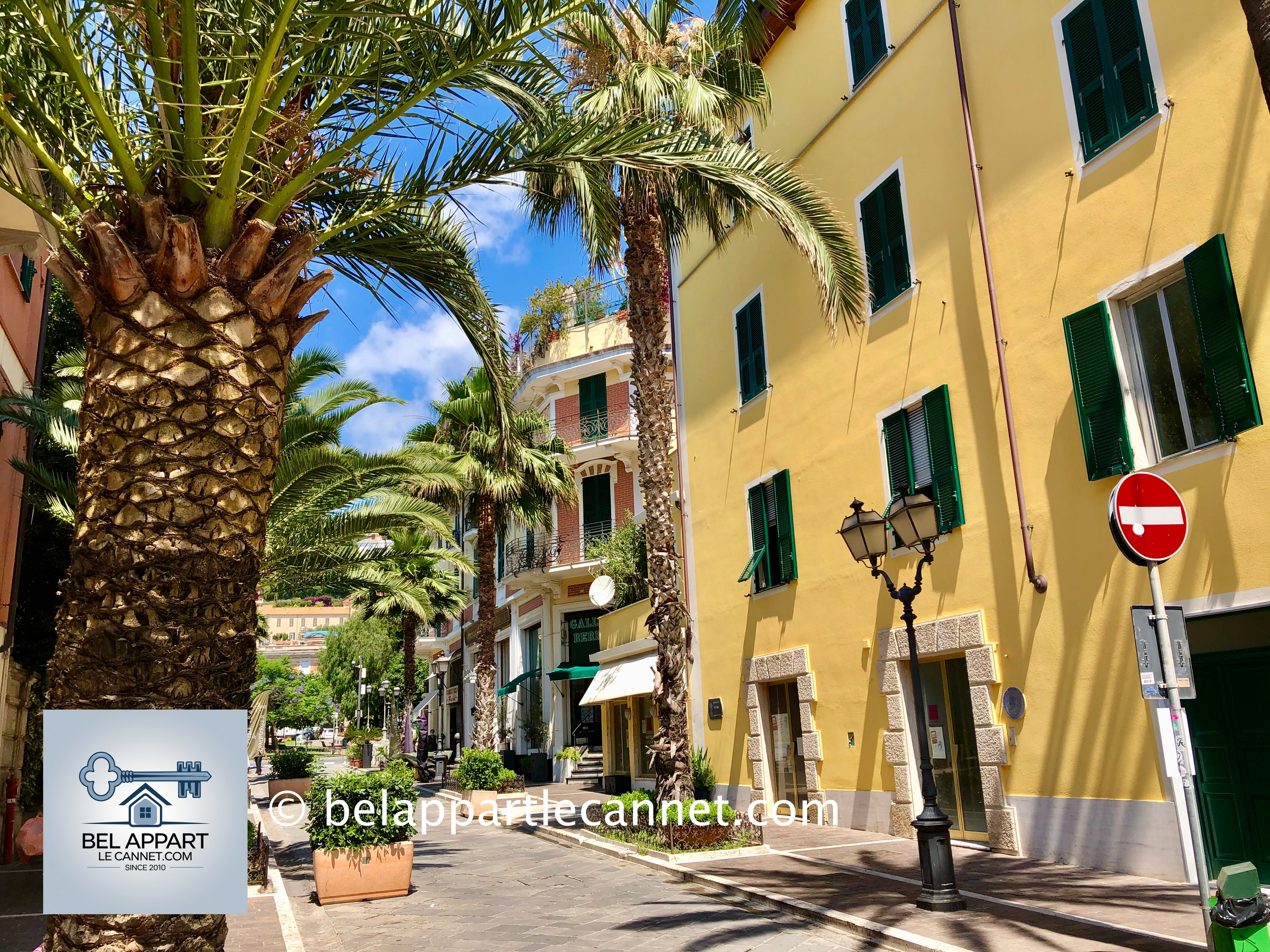
With its palm trees, Belle Époque façades, elegant boutiques, and lively terraces, the town offers a delightful blend of Mediterranean douceur and the Italian art of living.
Sanremo is famous throughout Italy for its renowned Italian Song Festival, held every year at the Teatro Ariston.
The town is also known for the magnificent Casino di Sanremo, built in an impressive Belle Époque style at the beginning of the 20th century.
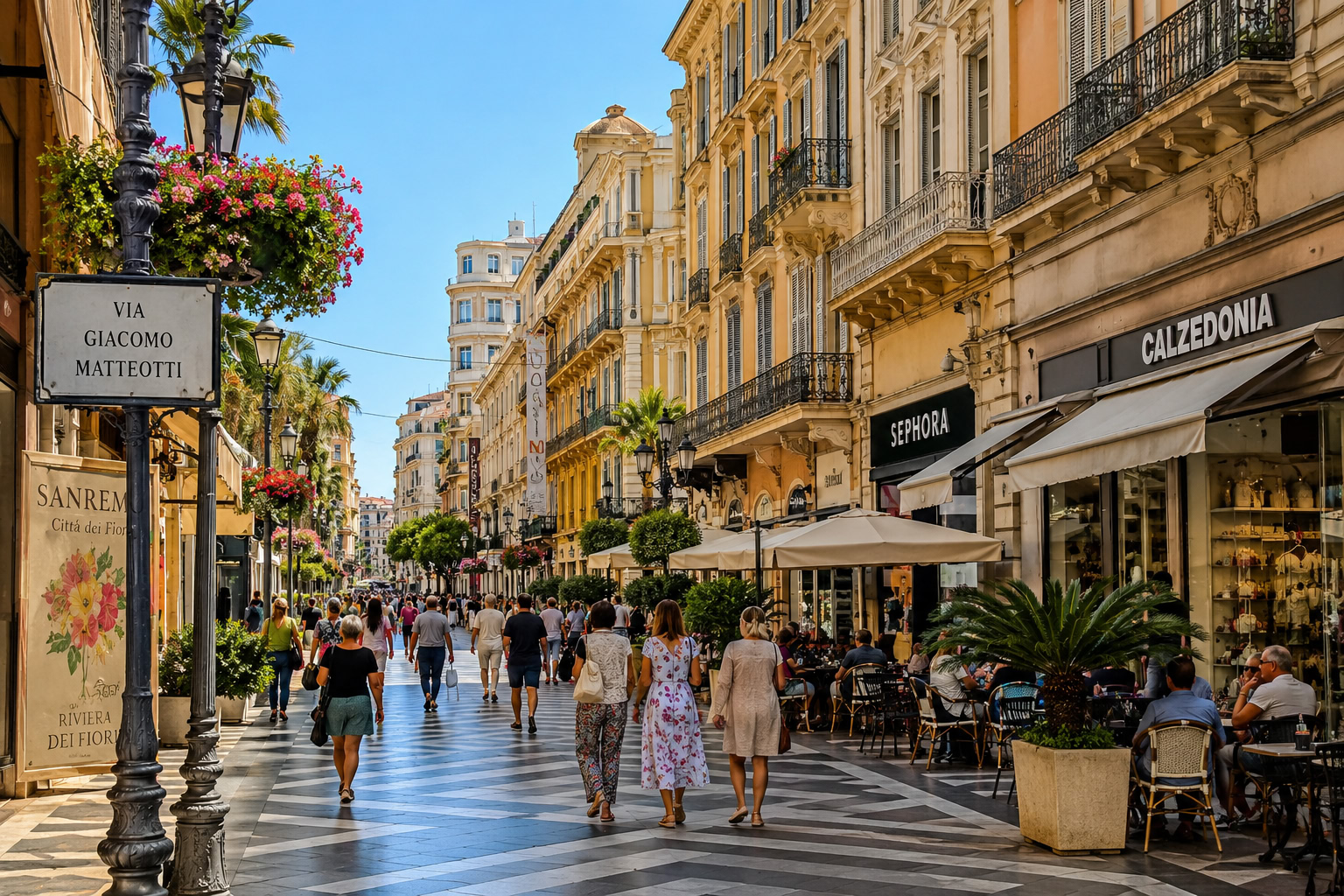
Via Giacomo Matteotti
The most famous pedestrian street in Sanremo is Via Giacomo Matteotti, often simply called “Via Matteotti.”
This elegant shopping avenue is the lively heart of the city center and one of the most pleasant places to stroll in Sanremo.
Lined with boutiques, cafés, and terraces, the street has a chic yet relaxed atmosphere that is typically Italian. Visitors will find elegant Italian brands, fashion boutiques, gelato shops, historic cafés, and more traditional local stores.
As you stroll along this pedestrian street, you will discover several elegant Belle Époque buildings whose façades recall the time when Sanremo was one of the favorite destinations of the European aristocracy.
The street also leads to several of the city’s iconic landmarks, including the Teatro Ariston, famous for the Italian Song Festival, and the prestigious Casino di Sanremo.
La Pigna
Sanremo also reveals a more authentic side through its medieval old quarter known as La Pigna.
This labyrinth of narrow alleyways, staircases, and vaulted passageways contrasts completely with the elegant avenues along the seafront. Here, visitors discover a more popular and characterful atmosphere, typical of the old towns of Liguria.
The name La Pigna, meaning “pine cone,” is believed to come from the spiral shape of the district built around the hillside.
The neighborhood is a true labyrinth of narrow alleyways, vaulted passageways, small tunnels, stone staircases, medieval arches, and, of course, old brightly colored houses tightly packed together.
Wandering through La Pigna reveals a more popular and characterful side of Italy, full of authenticity and charm.
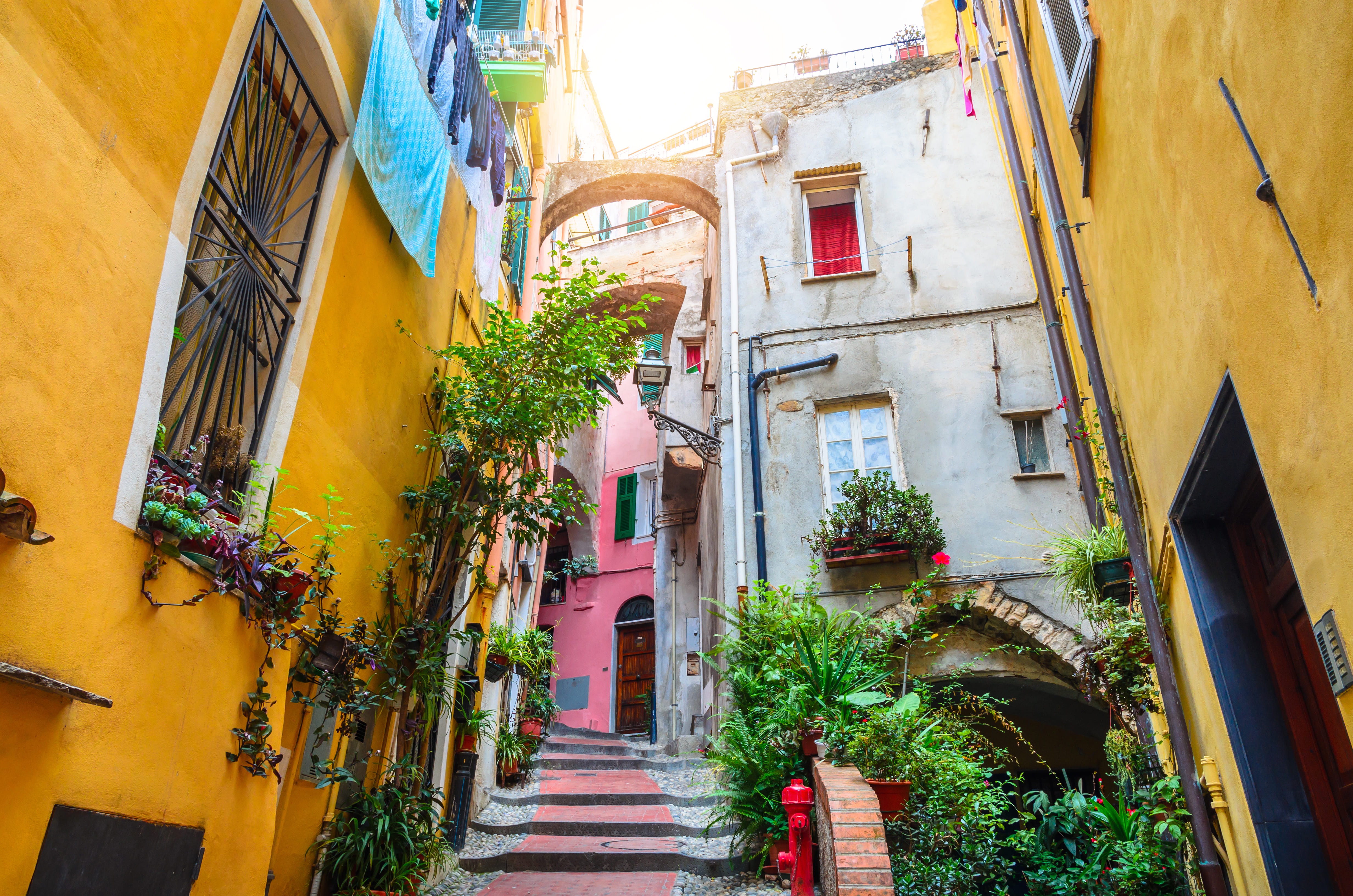
Laundry hanging from the windows, discreet little squares, and weathered façades give La Pigna a lively and deeply authentic atmosphere.
The calm of the district contrasts with the bustle of the modern town center located just a few minutes below. Some alleyways are so narrow that they seem almost frozen in time.
At the top of La Pigna stands the Sanctuary of Madonna della Costa, one of the city’s most emblematic monuments. This church overlooks Sanremo and can be seen from many points along the coastline.
Even today, this old quarter has preserved a genuine local life, with its residents, small shops, and discreet cafés. It is the perfect place to wander on foot and discover the most authentic side of Sanremo.
Blending heritage, history, and Italian atmosphere, La Pigna remains one of the most beautiful historic districts on the entire Ligurian Riviera.
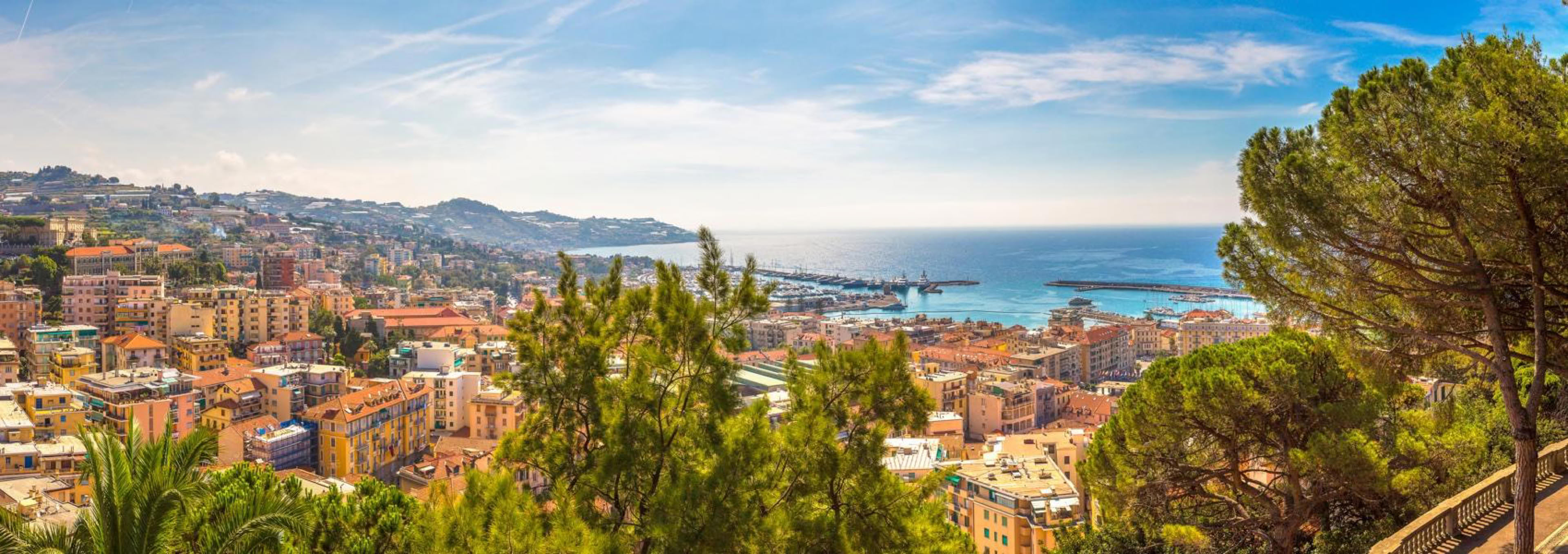
The neighborhood also offers magnificent views over the rooftops of Sanremo, the Mediterranean Sea, and the Ligurian hills.
Fort of Santa Tecla
Once a coastal bastion, the Fort of Santa Tecla now watches over Sanremo with an entirely new atmosphere.
Built by the Genoese in the 18th century to keep pirates and troublemakers at bay, this star-shaped fortress located near the old harbor has traded cannonballs for culture.
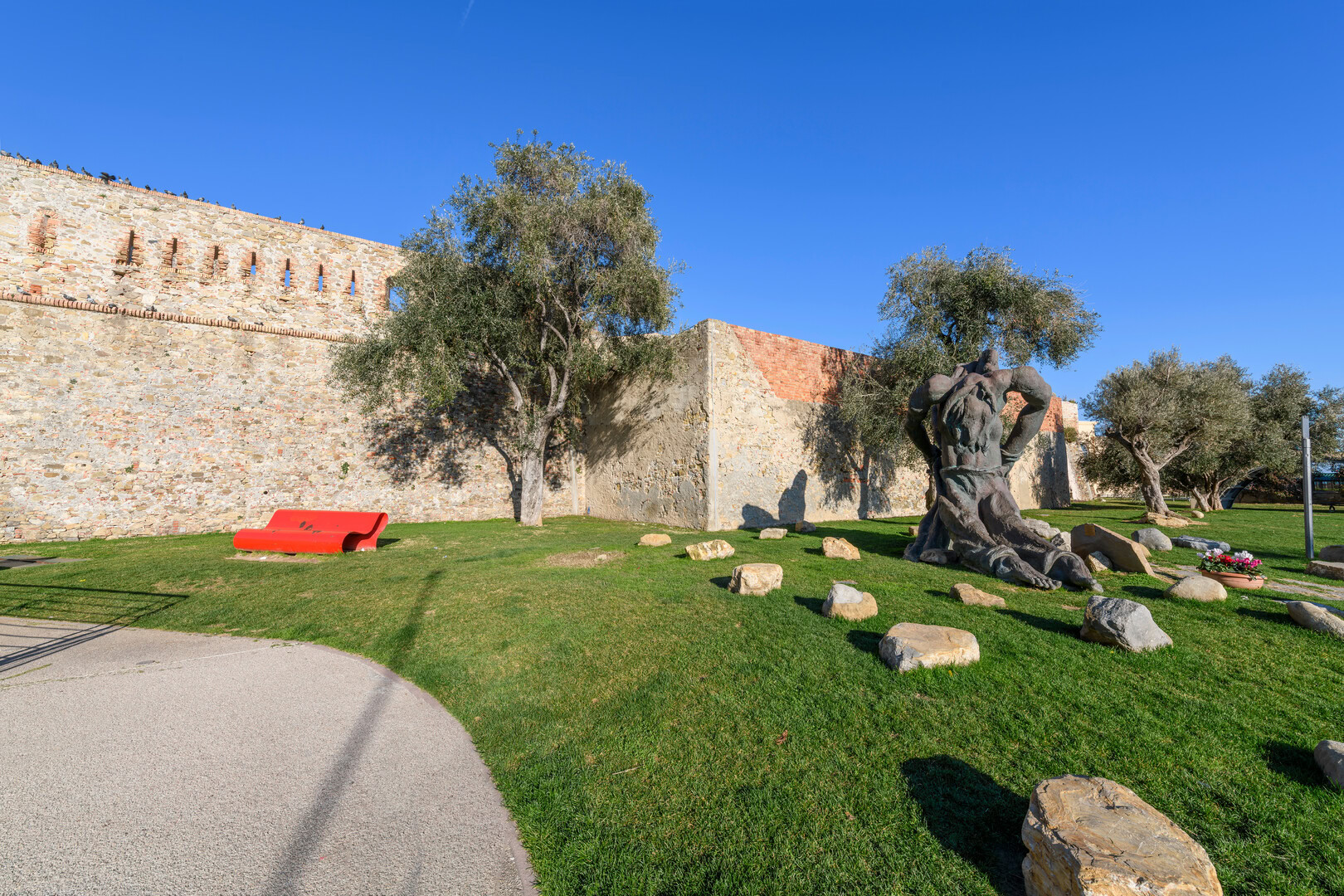
Over the course of its history, the Fort of Santa Tecla has served many different purposes. It was used in turn as a barracks, a military depot, and even a prison.
Today, the fort has become a cultural venue hosting exhibitions, artistic events, cultural programs, and temporary exhibitions dedicated to history and contemporary art.
The gastronomy of Sanremo perfectly reflects the identity of the Ligurian Riviera: a generous and fragrant Mediterranean cuisine centered around fresh seafood and local products.
Here, the cuisine remains simple yet full of flavor, with great importance placed on the quality of ingredients. The town is home to many trattorias and elegant restaurants where visitors can enjoy this Mediterranean cuisine in a warm and refined atmosphere.
Among the best-known addresses is Ristorante Flipper, considered by many to be one of the finest restaurants in Sanremo.
Located near the city center and the seafront of Sanremo, Ristorante Flipper has become a true institution for lovers of Italian cuisine and seafood specialties.
With every visit to Sanremo, many visitors enjoy returning there to rediscover its warm atmosphere and the consistently high quality of its cuisine. Myself included! 🤩
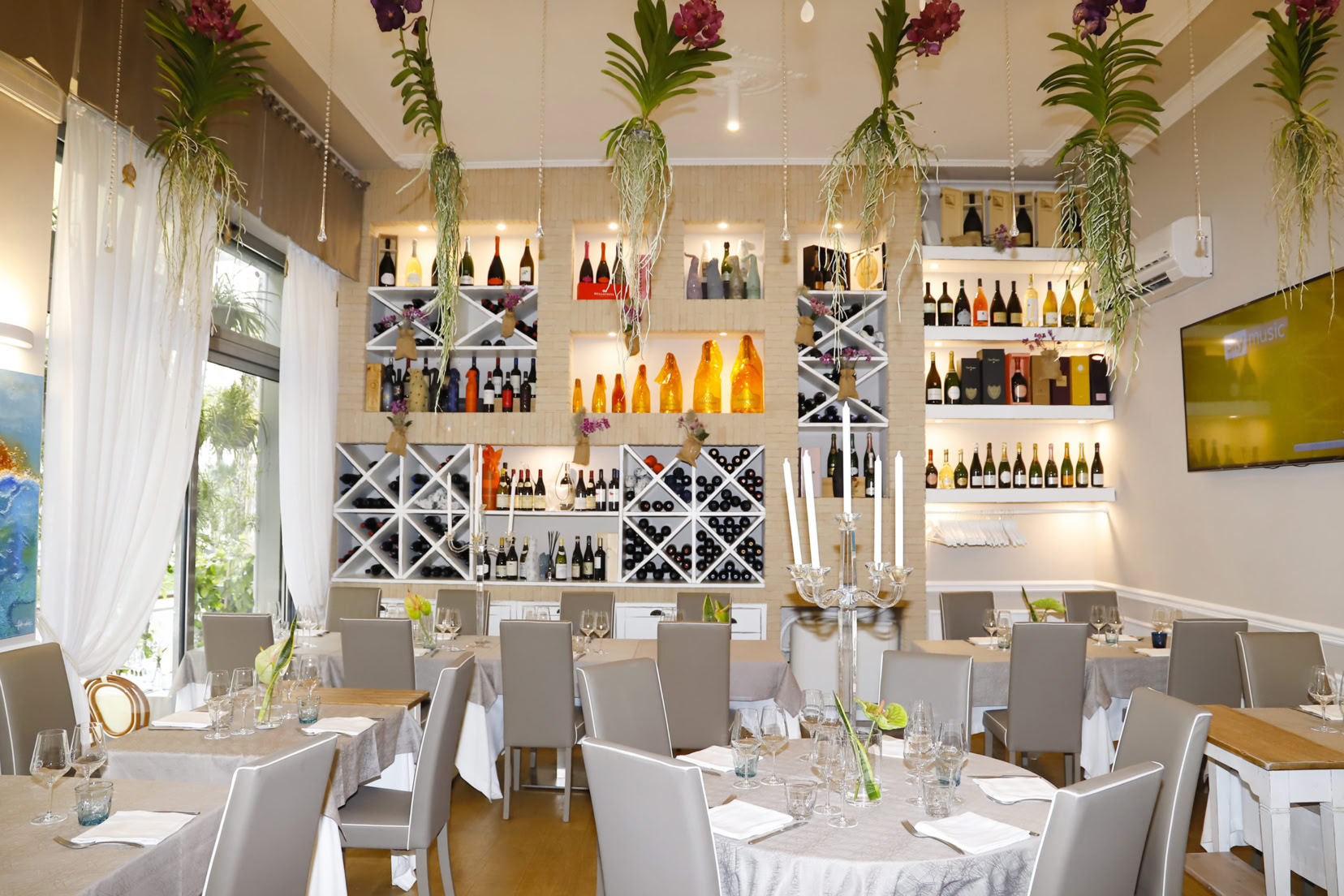
Ristorante Flipper is renowned for the exceptional freshness of its products, the quality of its fish and seafood, its attentive service, generous dishes, and its elegant yet welcoming atmosphere.
The modern and refined décor immediately creates a sense of comfort and sophistication, with great attention paid to every detail throughout the restaurant.
The cuisine is above all based on carefully selected ingredients, especially the fresh fish for which the establishment is famous. Each dish is prepared with passion and expertise, offering an experience that is as pleasing to the eye as it is
to the palate.
The restaurant is often very busy, particularly on weekends and during the summer season, so booking in advance is highly recommended.
Today, many consider Flipper to be a must-visit address in Sanremo—the perfect place to end a day on the Italian Riviera with an excellent meal in a refined and warm atmosphere.
Closed on Wednesdays. Link : Ristorante Flipper
Between heritage, the gentle Mediterranean lifestyle, gastronomy, shopping, and its seaside atmosphere, Sanremo makes a wonderful stop during a day trip along the Italian Riviera.
If you have the opportunity to extend your getaway for an extra day, several beautiful destinations around Ventimiglia and Sanremo are also well worth discovering along the Italian Riviera.
I especially recommend visiting the charming seaside resort of Alassio, the superb medieval village of Dolceacqua, and the fascinating abandoned village of Bussana Vecchia.
Alassio
The City of Lovers
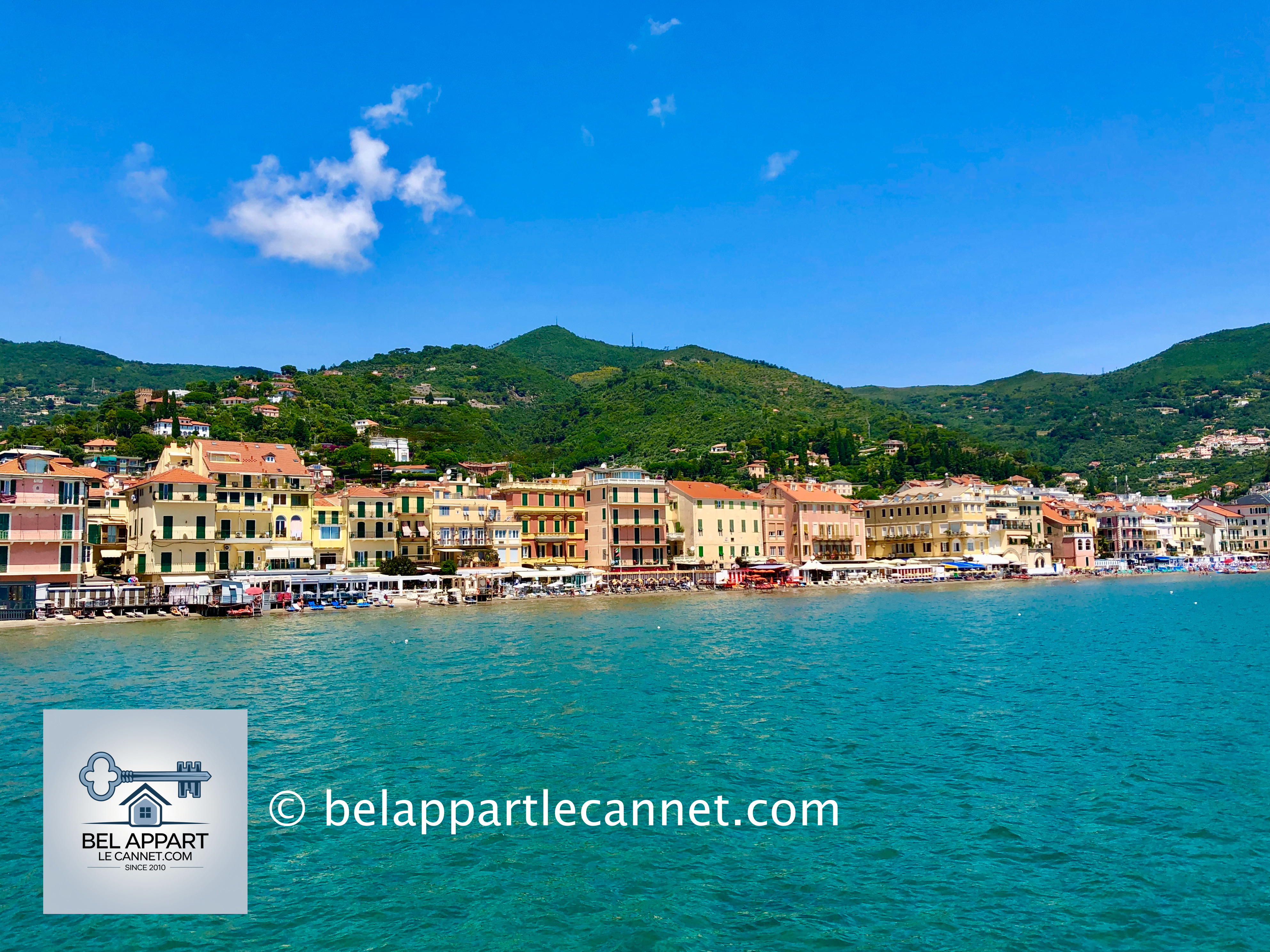
Located around fifty kilometers from Sanremo, Alassio is one of the most elegant and pleasant seaside resorts on the Italian Riviera.
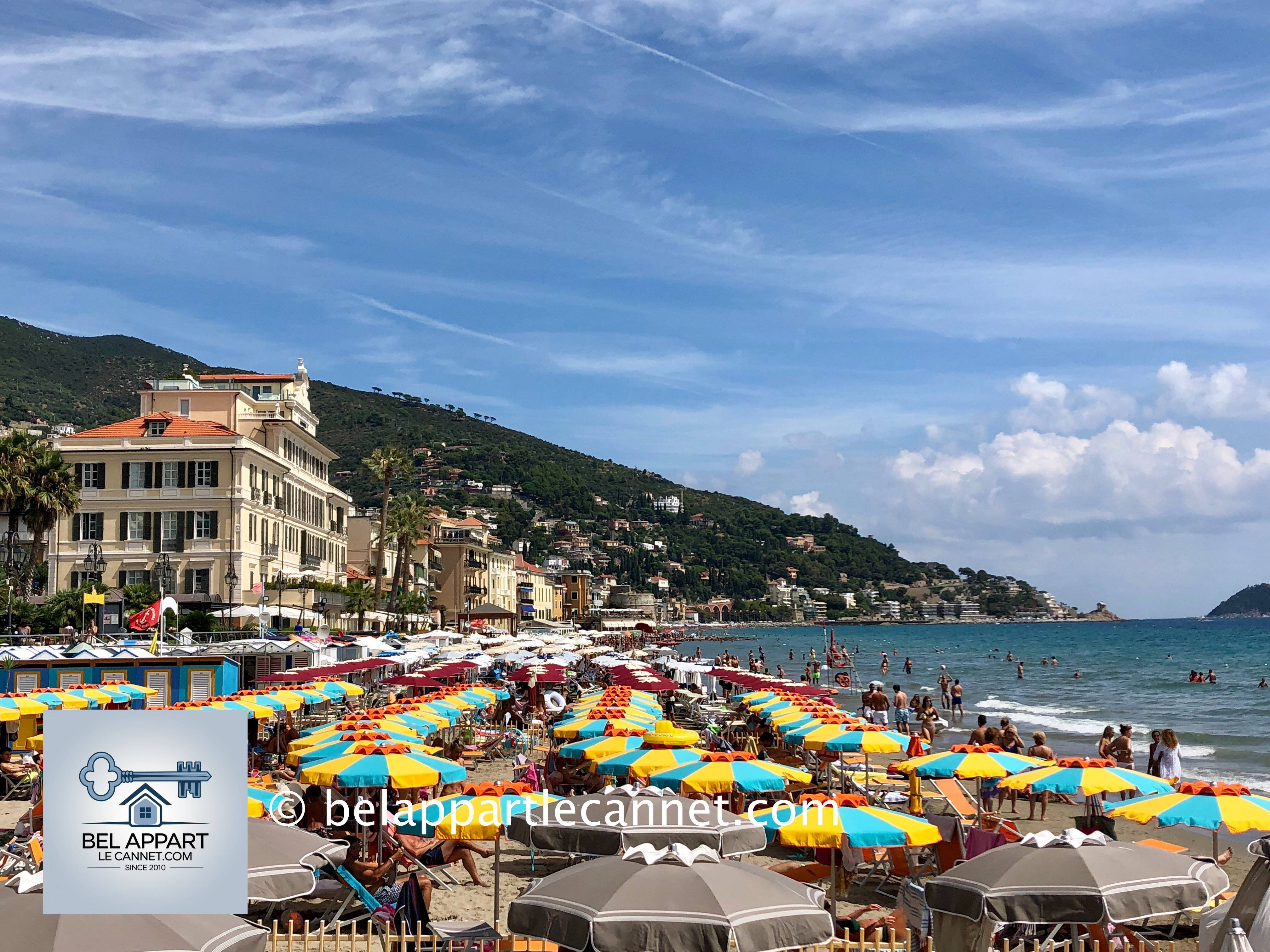
Nestled between the sea and the hills, this small Ligurian town immediately charms visitors with its refined atmosphere, mild climate, and magnificent fine sandy beaches—relatively rare along this part of the Italian coastline.
Unlike some of the Riviera's busier towns, Alassio has preserved a relaxed and welcoming atmosphere that encourages visitors to slow down and enjoy the moment. The town is especially appreciated by Italians themselves, giving it an authentic feel despite its chic seaside image.
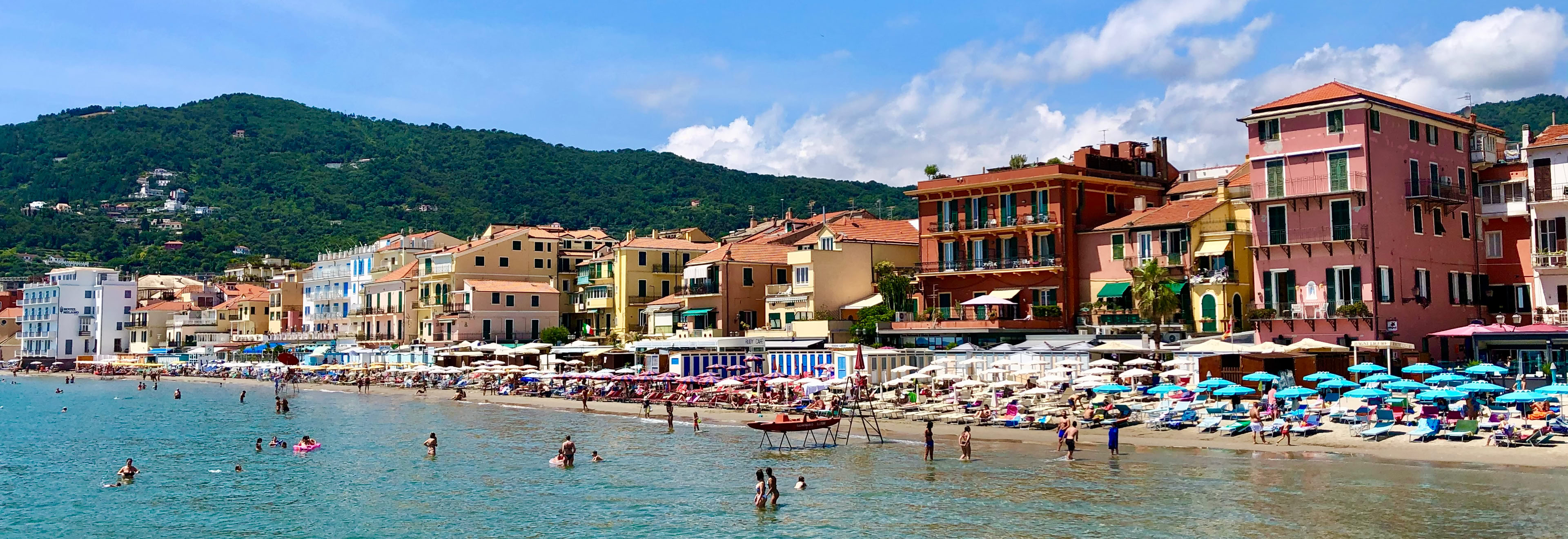
The seafront is one of the greatest assets of Alassio.
Lined with palm trees, cafés, and elegant hotels, it offers a very pleasant promenade with superb views over the Mediterranean Sea. The light sandy beaches attract both families and those simply looking to relax and enjoy the seaside atmosphere.
During the warmer months, the water is often calm and displays beautiful shades of turquoise blue.
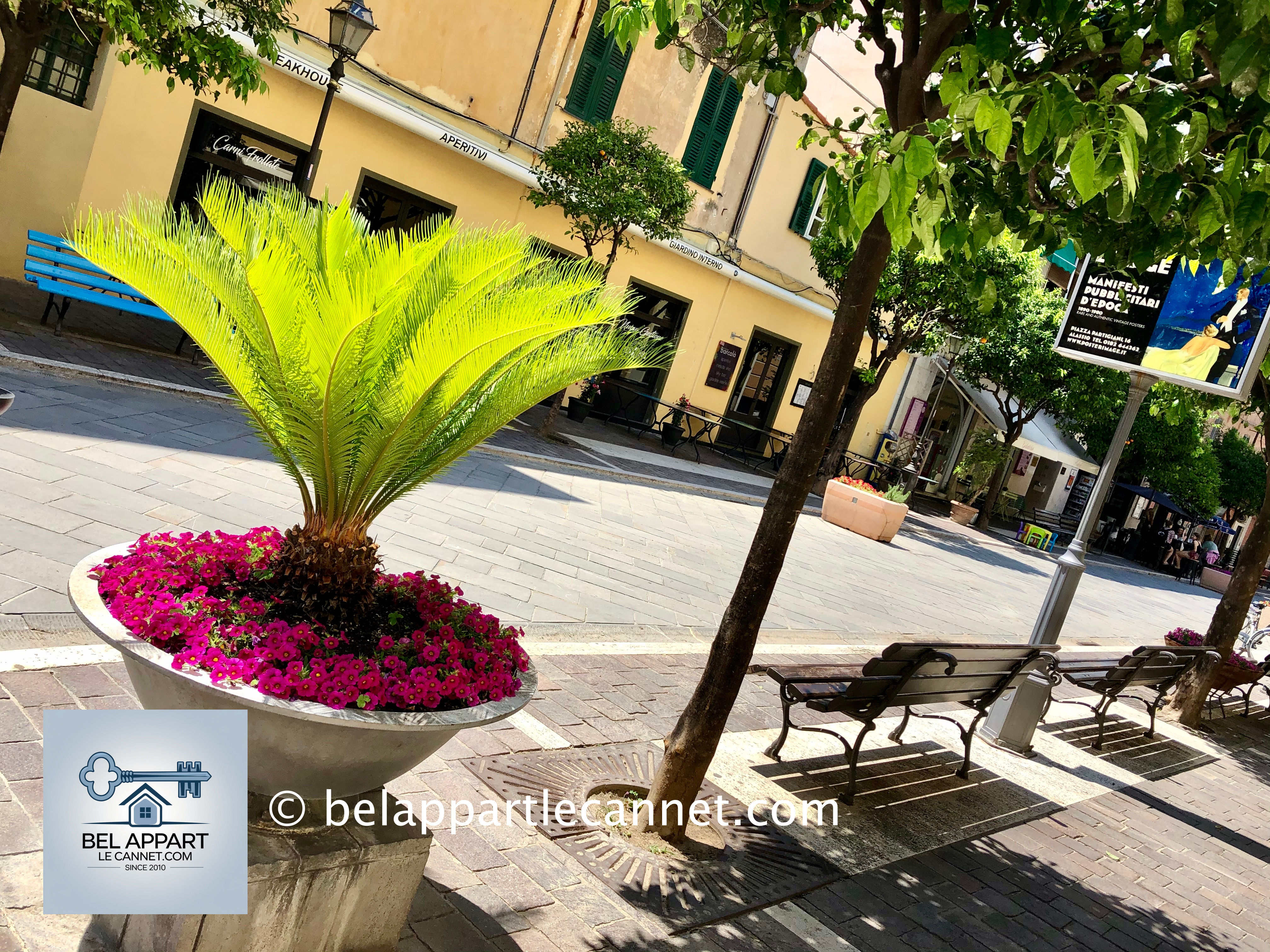
Via Vittorio Veneto
Via Vittorio Veneto is the old shopping street of Alassio. Running parallel to the seafront, it is particularly pleasant for strolling among boutiques, artisanal gelato shops, Italian cafés, pastry shops, and elegant little stores.
At every street corner, glimpses of the deep blue Mediterranean Sea appear, contrasting beautifully with the ochre tones of the old houses.
The atmosphere becomes especially enjoyable in the late afternoon, when locals head out for the traditional Italian passeggiata—the early evening stroll that is such a characteristic part of Mediterranean lifestyle and culture.
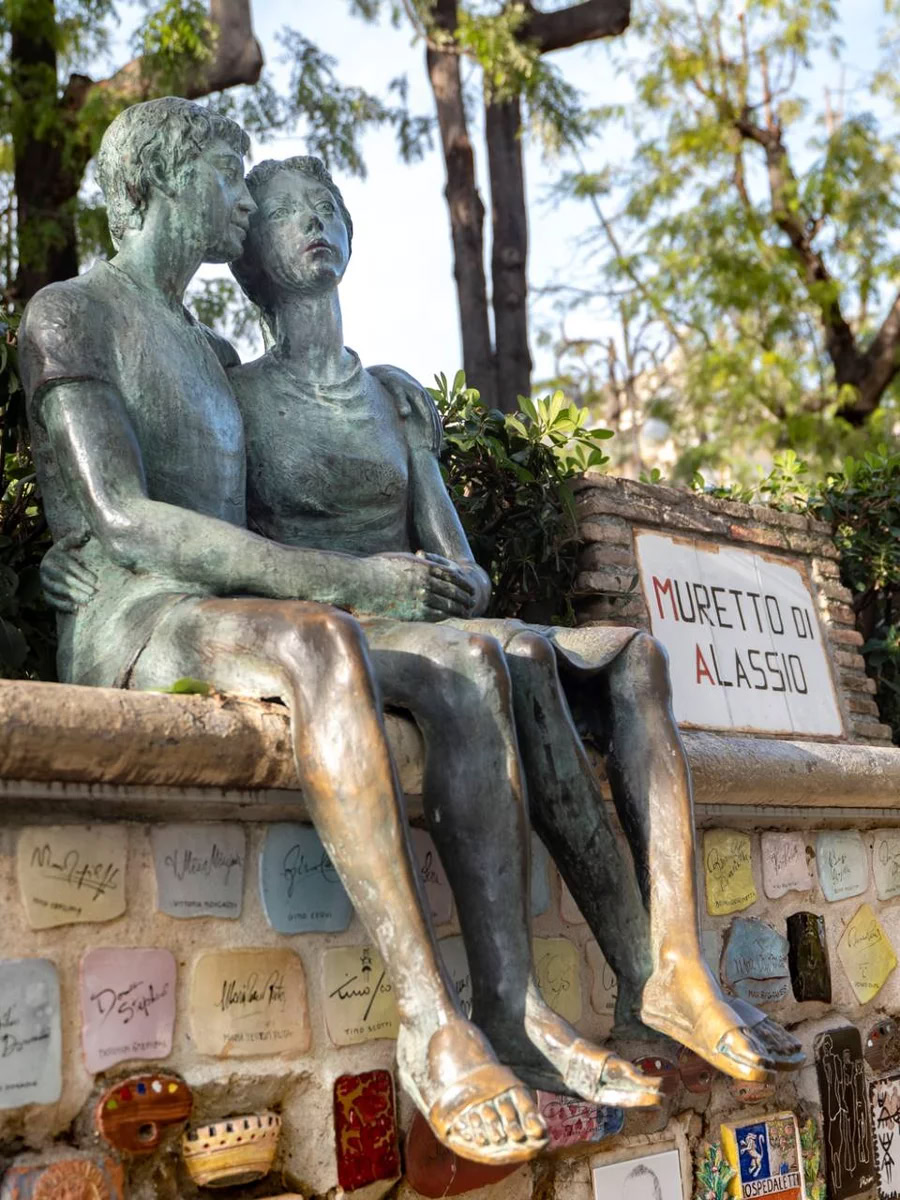
Muretto di Alassio
The Muretto di Alassio is a public artwork and one of the most famous
symbols of the Ligurian seaside resort of Alassio.
Created in 1953 by Mario Berrino in friendly collaboration with Ernest Hemingway, it is located along Corso Dante Alighieri. Berrino began placing ceramic tiles decorated with the signatures of famous visitors. The first belonged to Hemingway, soon followed by many others including Eugenio Montale, Sophia Loren, Vittorio De Sica, and Dario Fo.
Over the decades, the Muretto has grown with hundreds of tiles, municipal emblems, and small sculptures, forming a kind of open-air “hall of fame.”
Visitors can also admire works by Eros Pellini (The Bronze Lovers), Umberto Mastroianni (The Steel Storks), and Mario Berrino himself (The Little Fish).
Since 2007, Alassio has officially held the title of Città degli Innamorati — The City of Lovers.
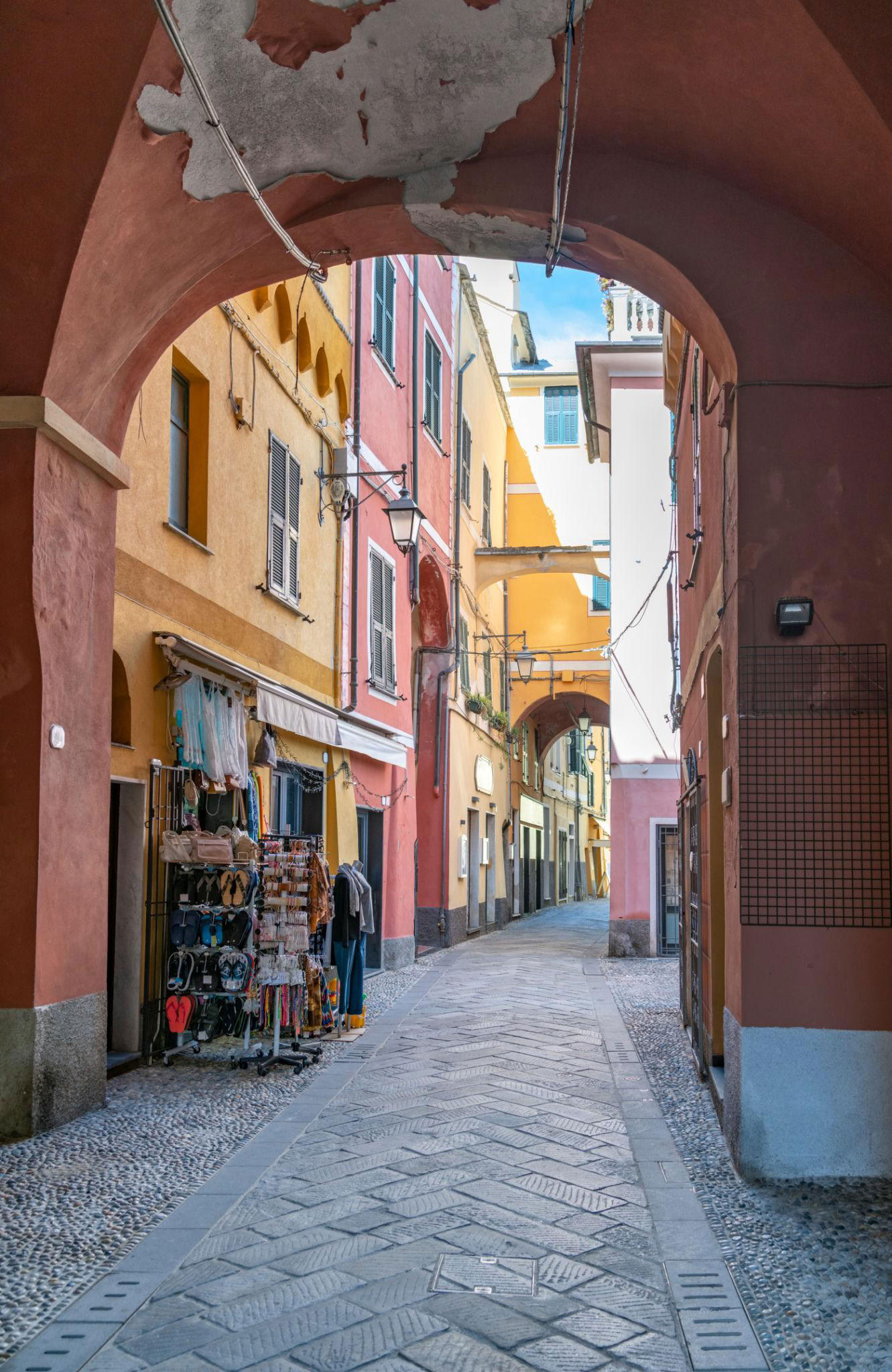
Dolceacqua
One of the most beautiful villages in Liguria
Located in the Ligurian hinterland, just a few kilometers from Ventimiglia, this charming little village seems frozen in time.
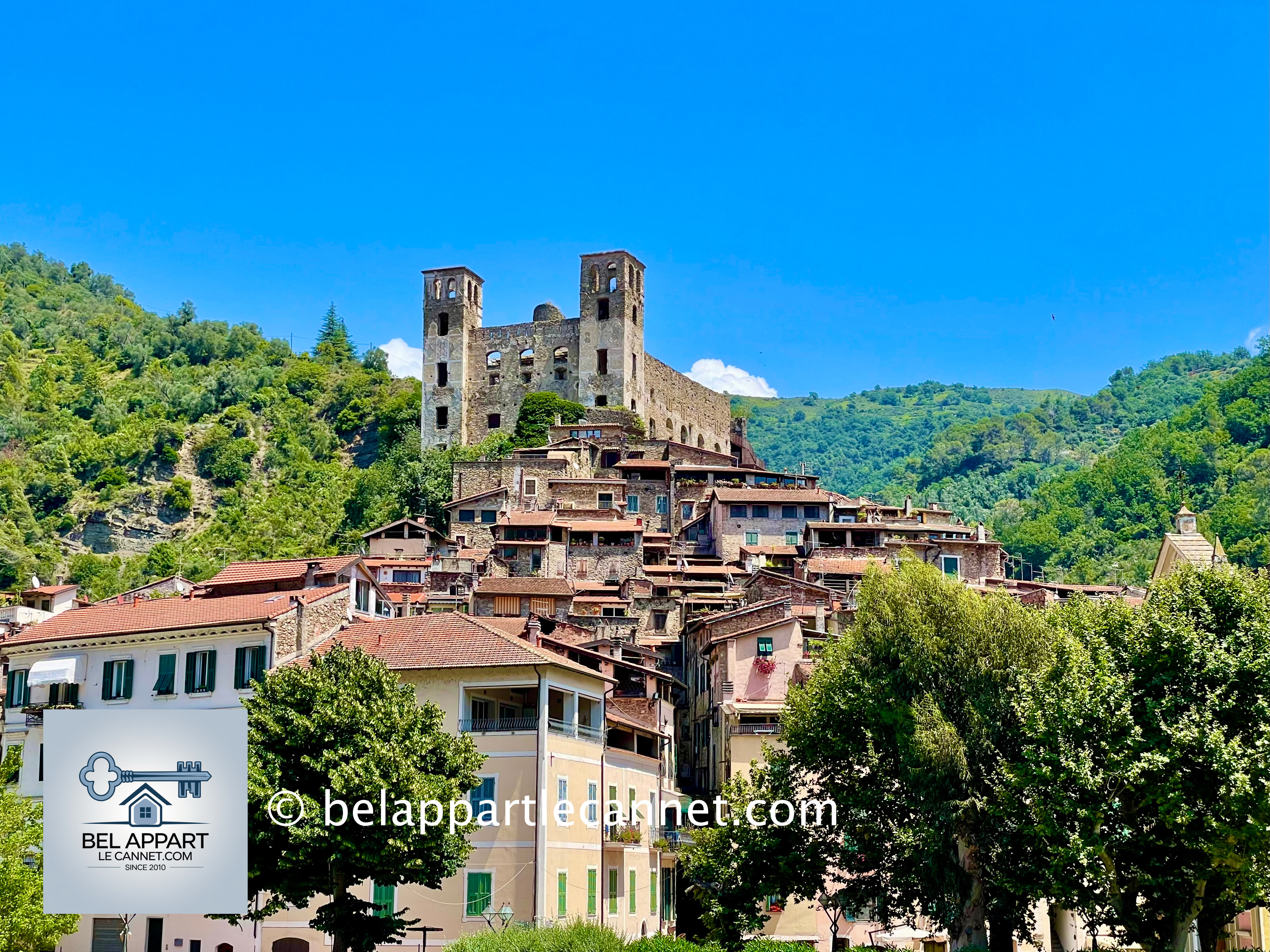
Crossed by the Nervia River and dominated by the ruins of the Castello dei Doria, Dolceacqua offers a typically Italian setting of ancient stone houses, medieval alleyways, and hills covered with olive trees.
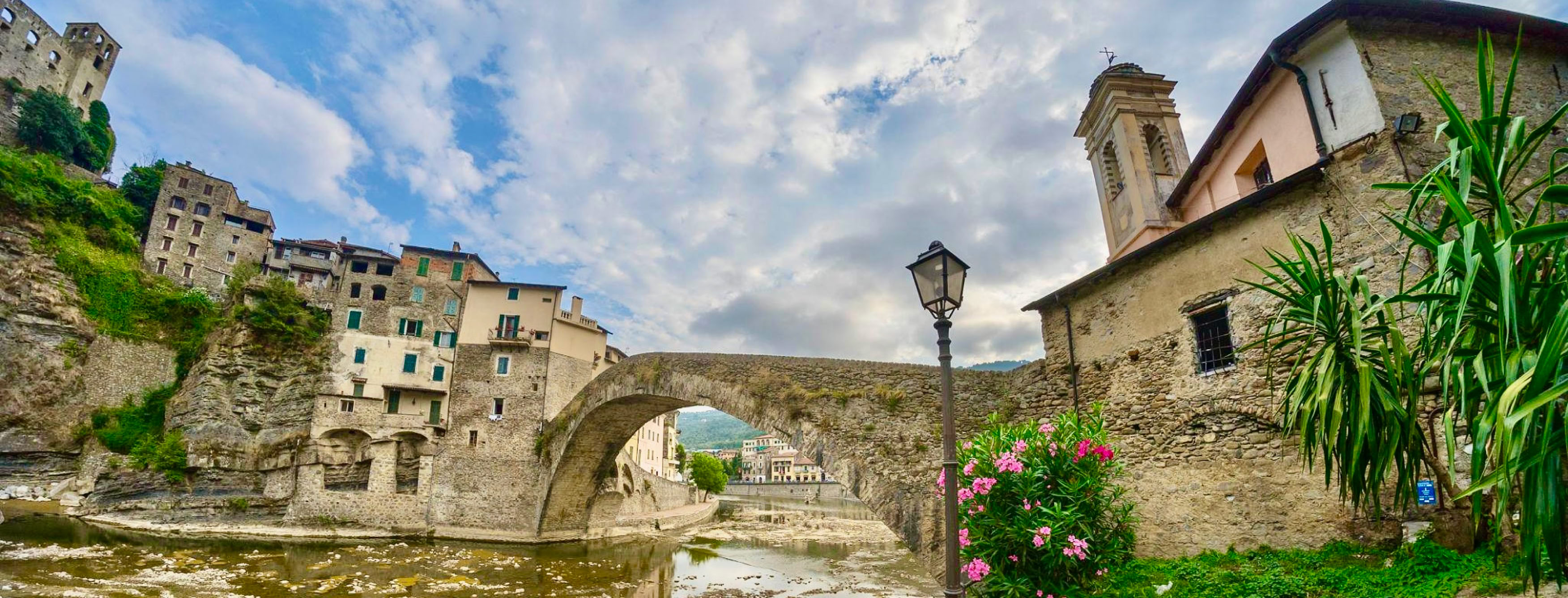
The symbol of Dolceacqua remains its magnificent medieval stone bridge with a single arch linking the two parts of the village.
This bridge became famous thanks to the painter Claude Monet, who depicted it in several paintings during his stay in Liguria at the end of the 19th century. Monet even described Dolceacqua as a place of exceptional beauty.
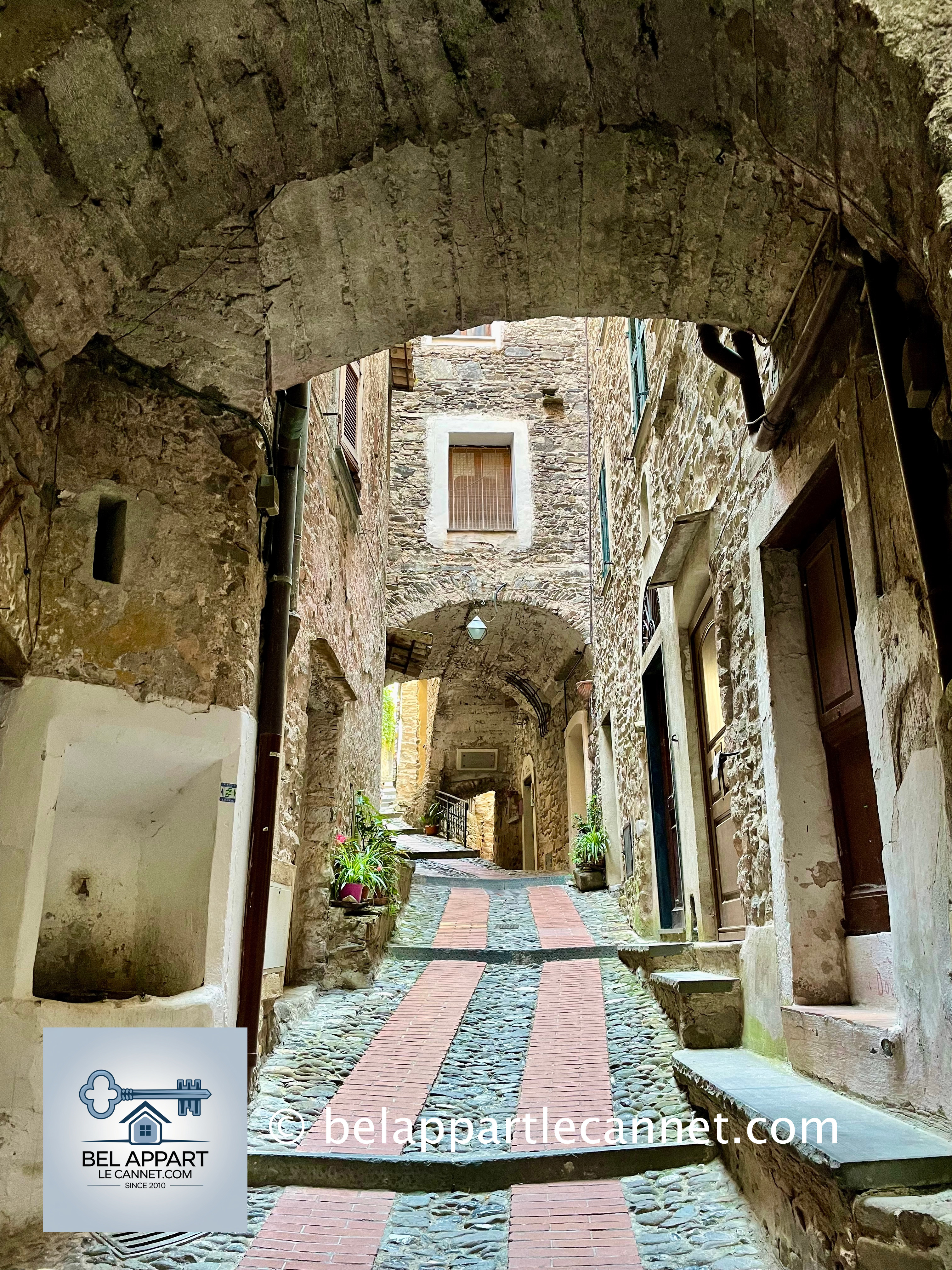
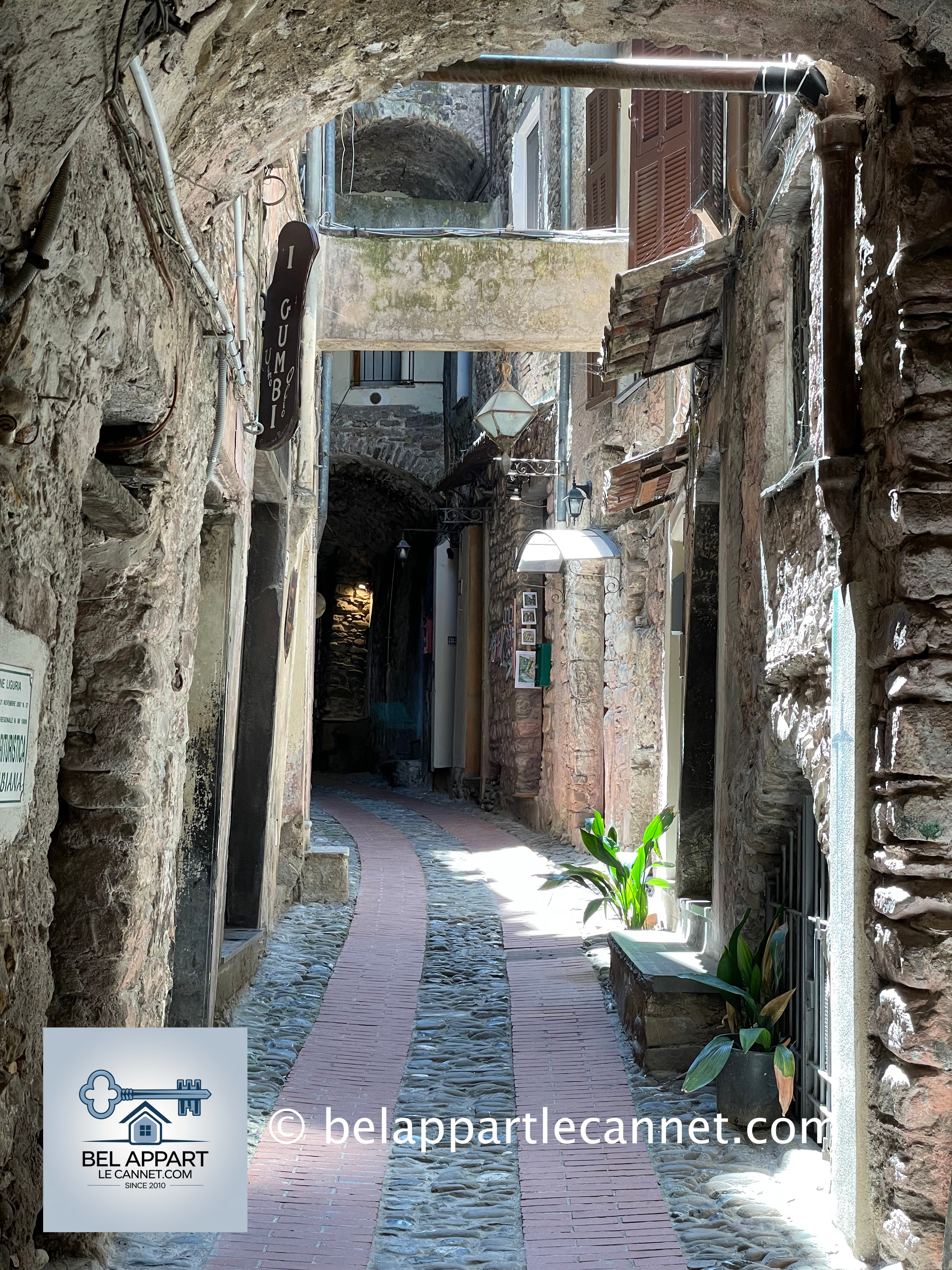
The historic heart of the village is a true labyrinth of cobbled alleyways, vaulted passageways, small staircases, stone houses, and charming little squares.
Wandering through these streets reveals an authentic and peaceful atmosphere typical of Ligurian villages in the hinterland. Some houses seem almost suspended one above another, creating an especially photogenic setting.
Castello dei Doria
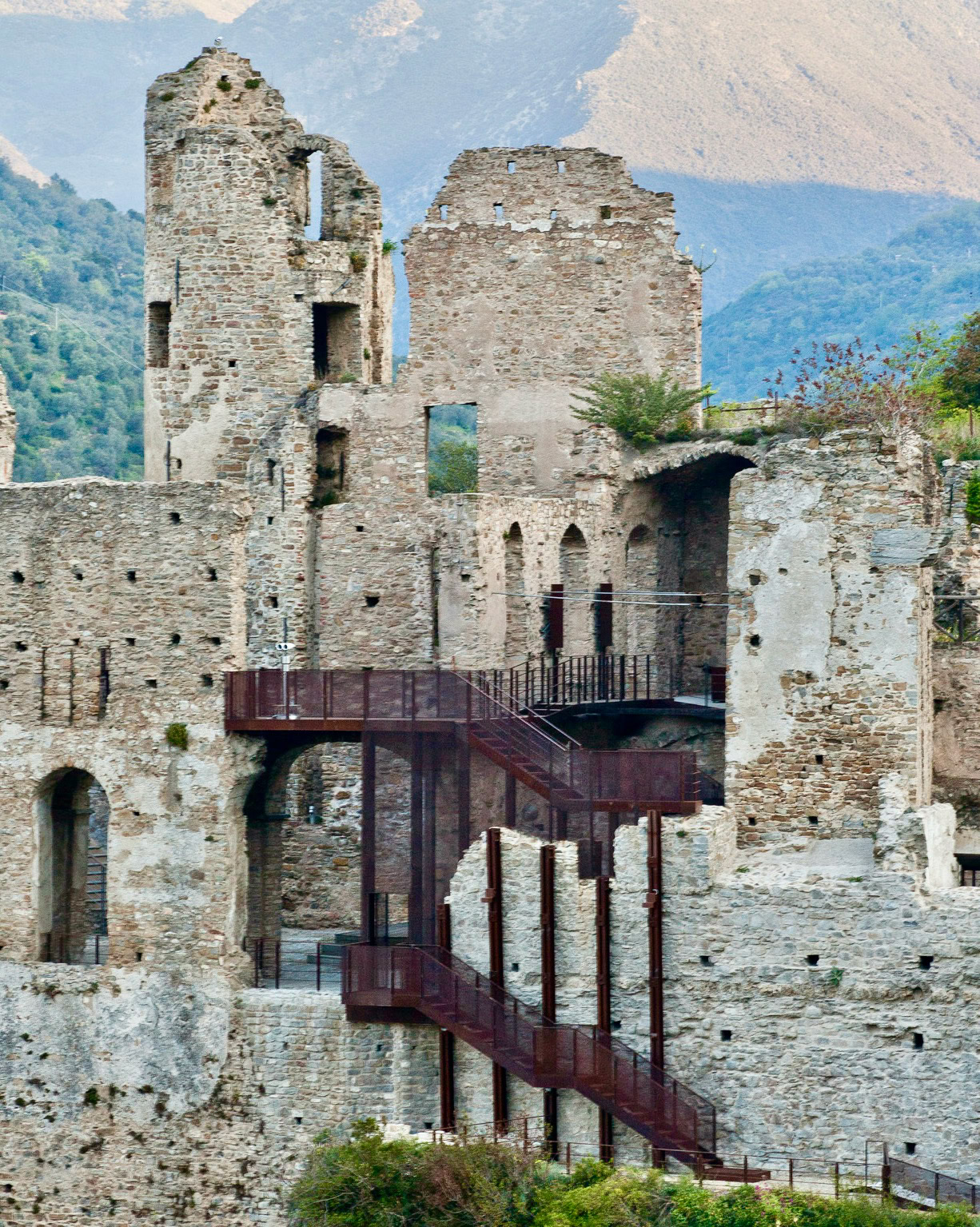
Castello dei Doria overlooks the entire village from the heights above Dolceacqua. Even partially in ruins, the castle offers magnificent views over the rooftops of Dolceacqua, the valley, and the surrounding hills.
Today, the castle occasionally hosts exhibitions, cultural events, concerts, and entertainment during the summer season.
The Castello dei Doria remains one of the finest examples of a medieval castle in Liguria and is one of the must-see landmarks when visiting Dolceacqua.
Bussana Vecchia
The abandoned village that became an artists' village
Bussana Vecchia is undoubtedly one of the most unusual places on the Italian Riviera.
This medieval village was almost entirely abandoned after a violent earthquake in 1887.
In the 1960s, artists from around the world began to reoccupy the ruins and transform the village into a unique artistic community.
Today, Bussana Vecchia symbolizes a cultural rebirth rising from historic ruins.
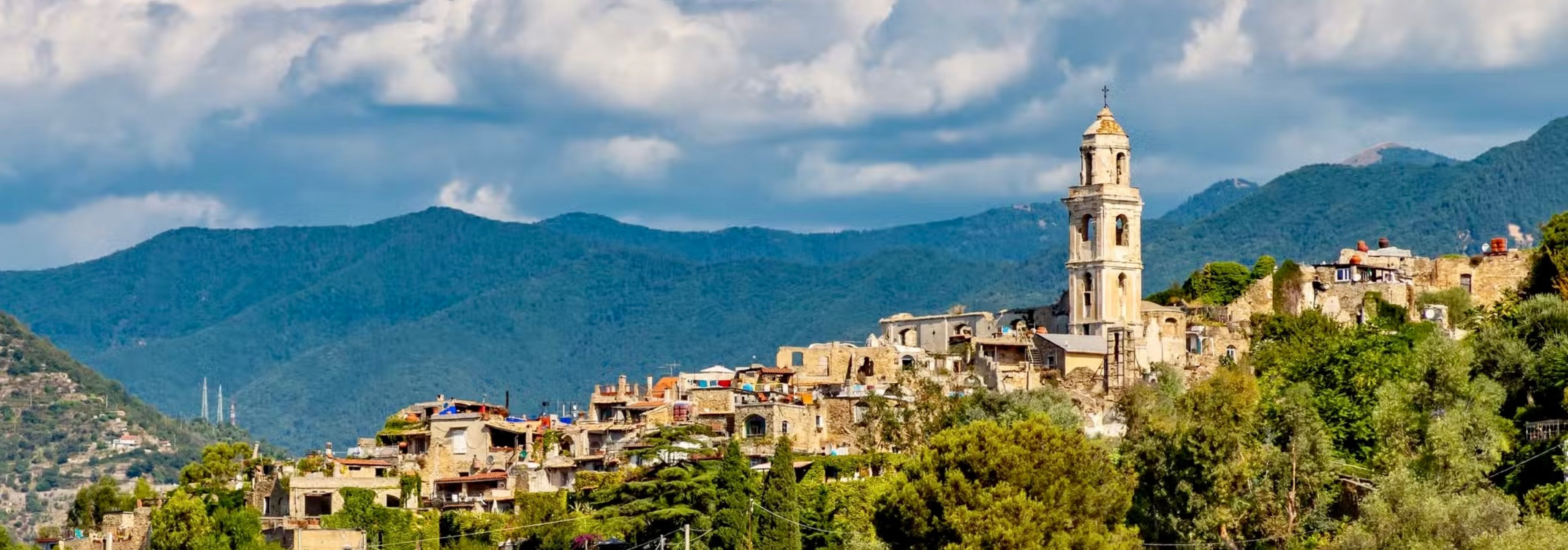
In Bussana Vecchia, visitors can discover ruined houses overtaken by vegetation, artists' studios, galleries, sculptures, bohemian cafés, and charming little alleyways.
The combination of abandoned architecture, artistic creations, and Mediterranean atmosphere makes the visit truly original and unforgettable.
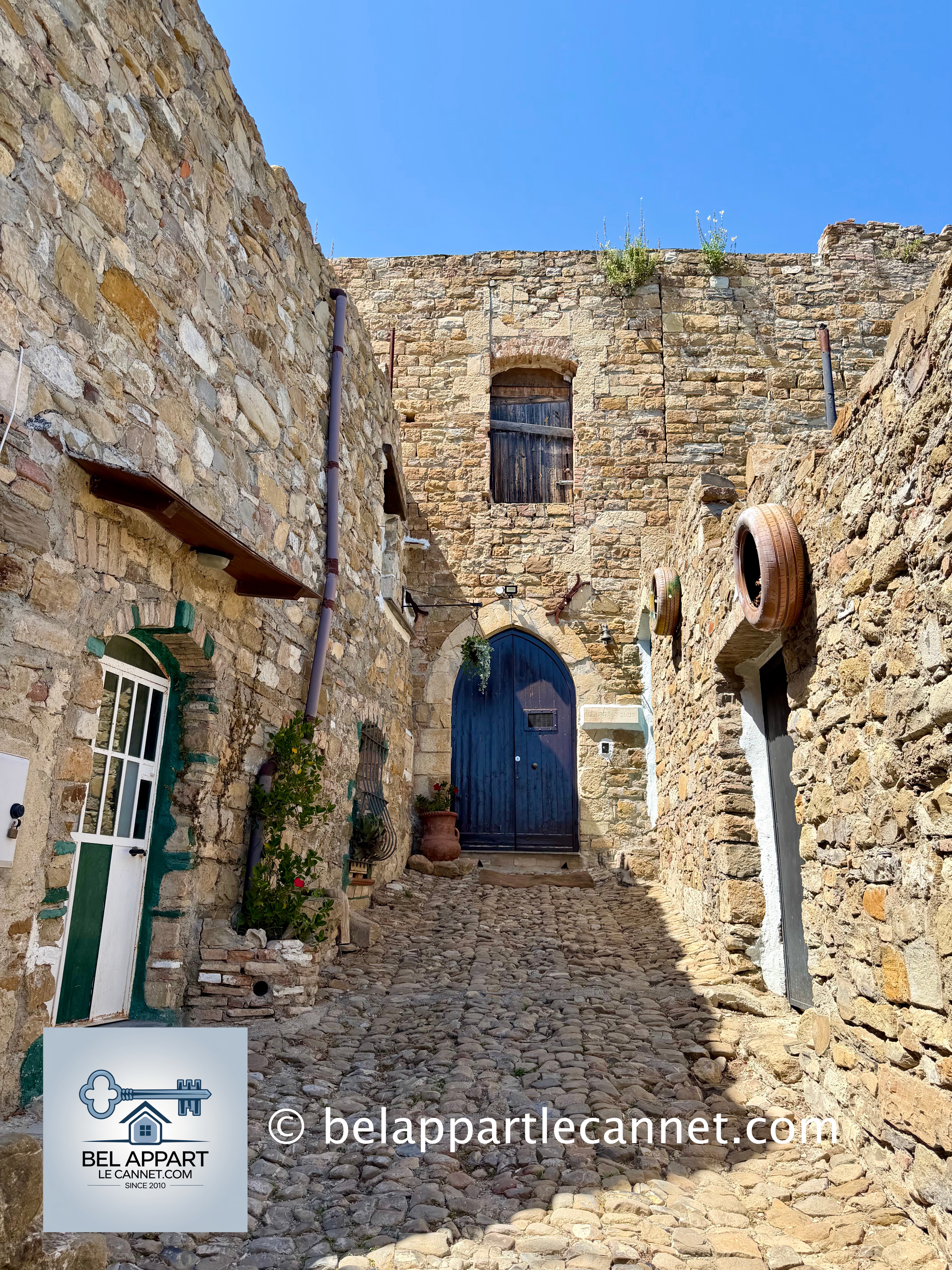
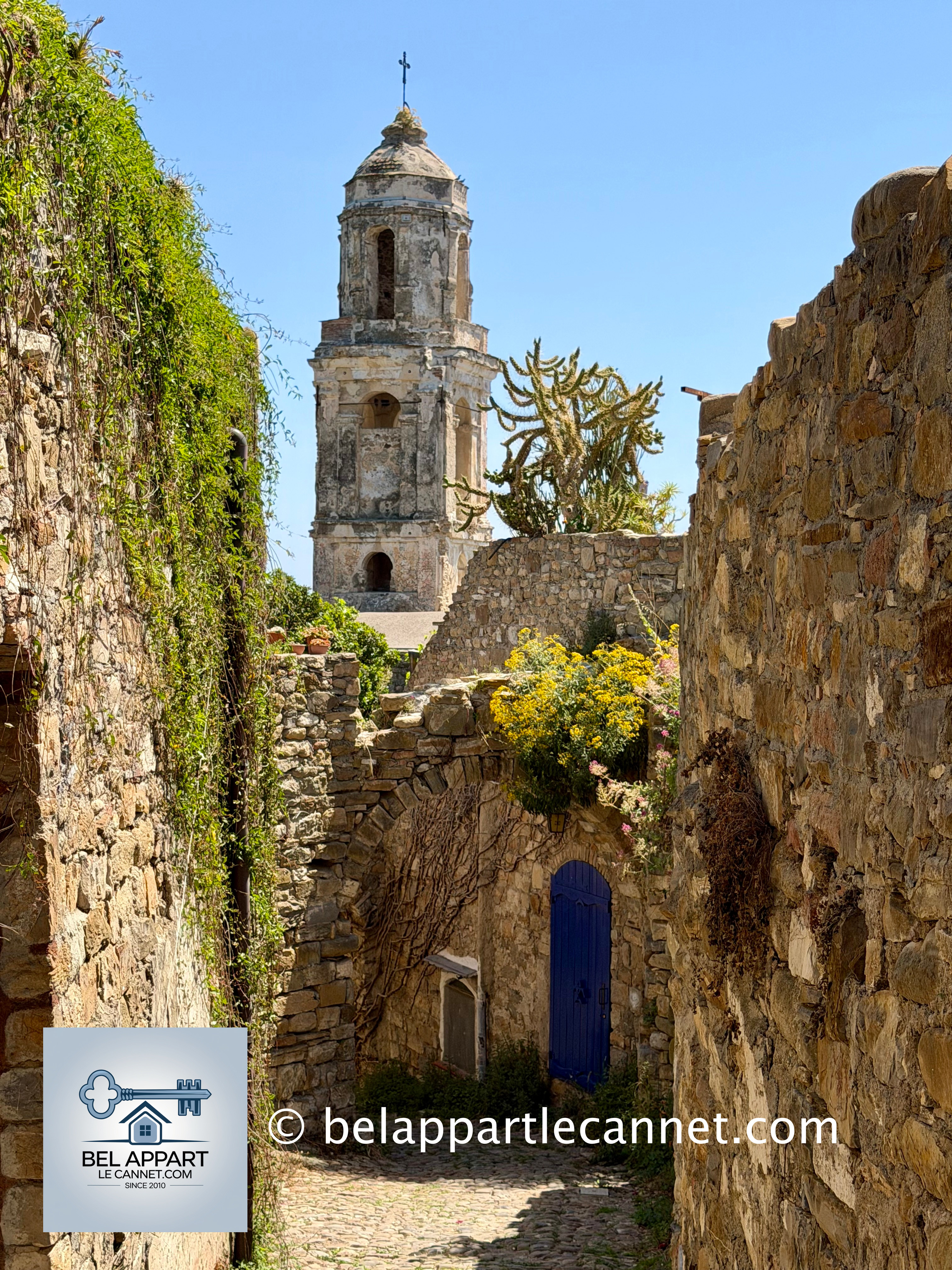
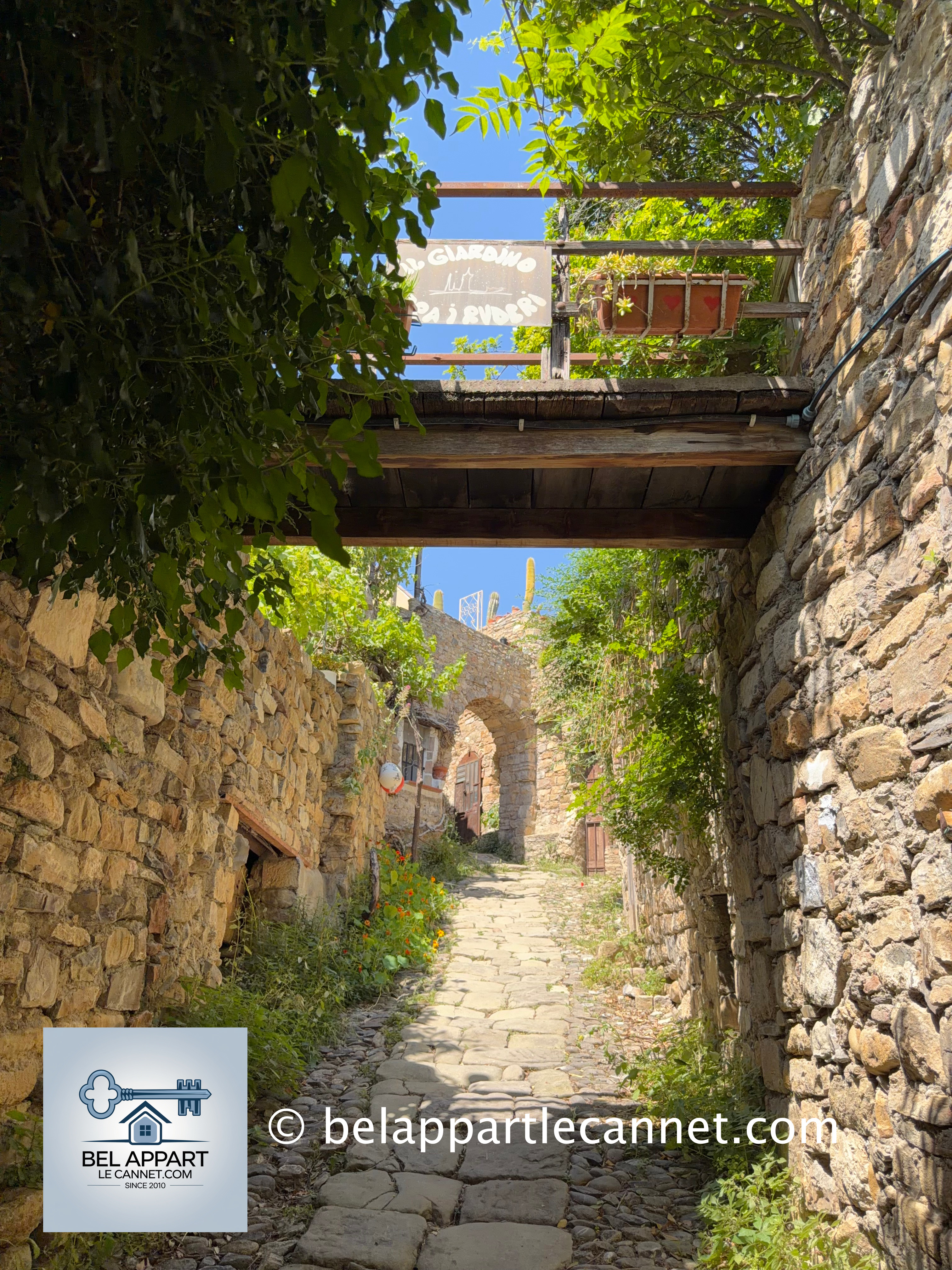
The atmosphere there is calm, artistic, and almost timeless.
Unlike the busy seaside resorts along the coast, Bussana Vecchia offers a completely different and far more unusual experience.
One of the most striking places in the village is the old church, partially destroyed by the earthquake, whose ruins give the site a truly unique atmosphere.
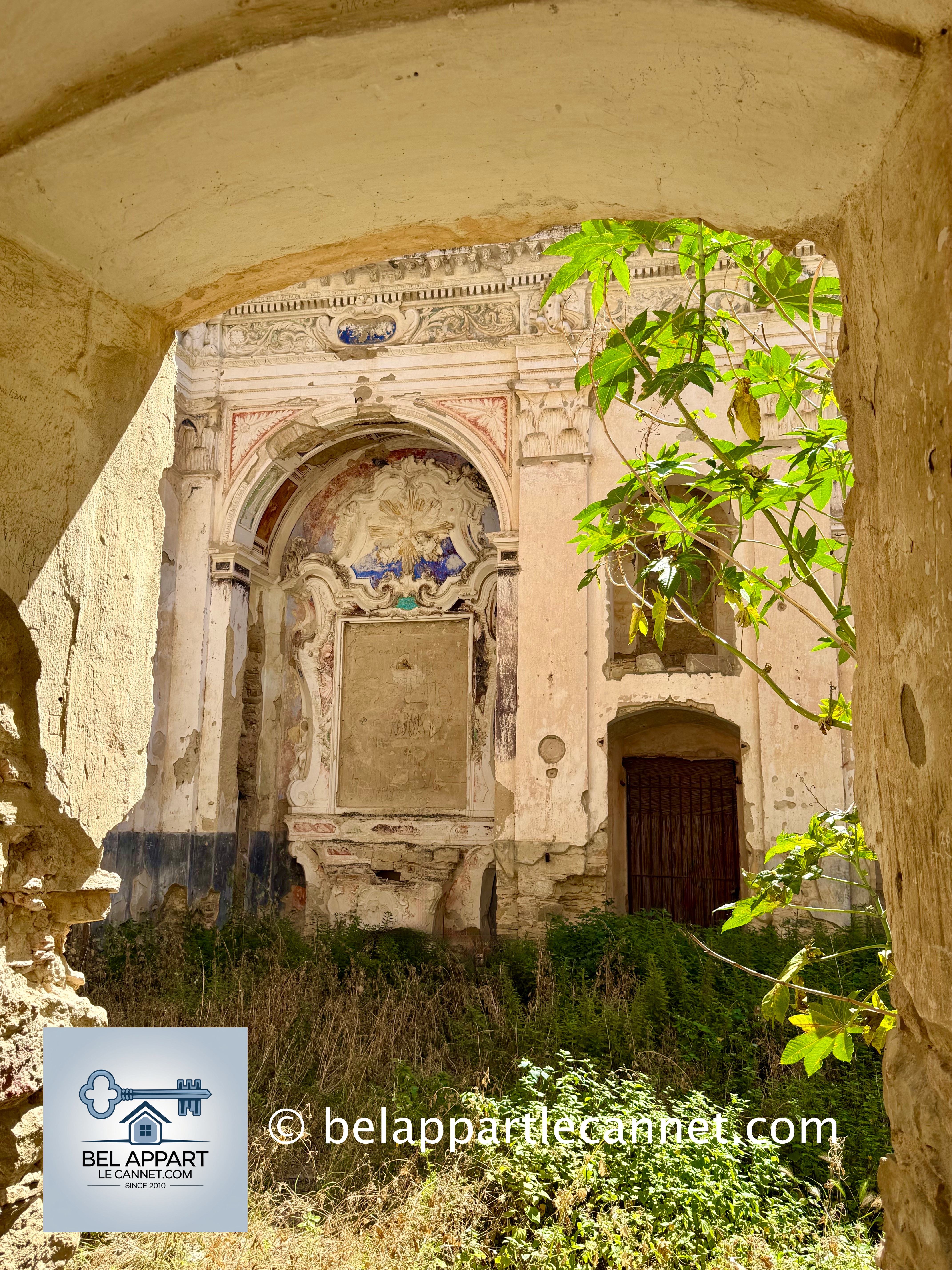
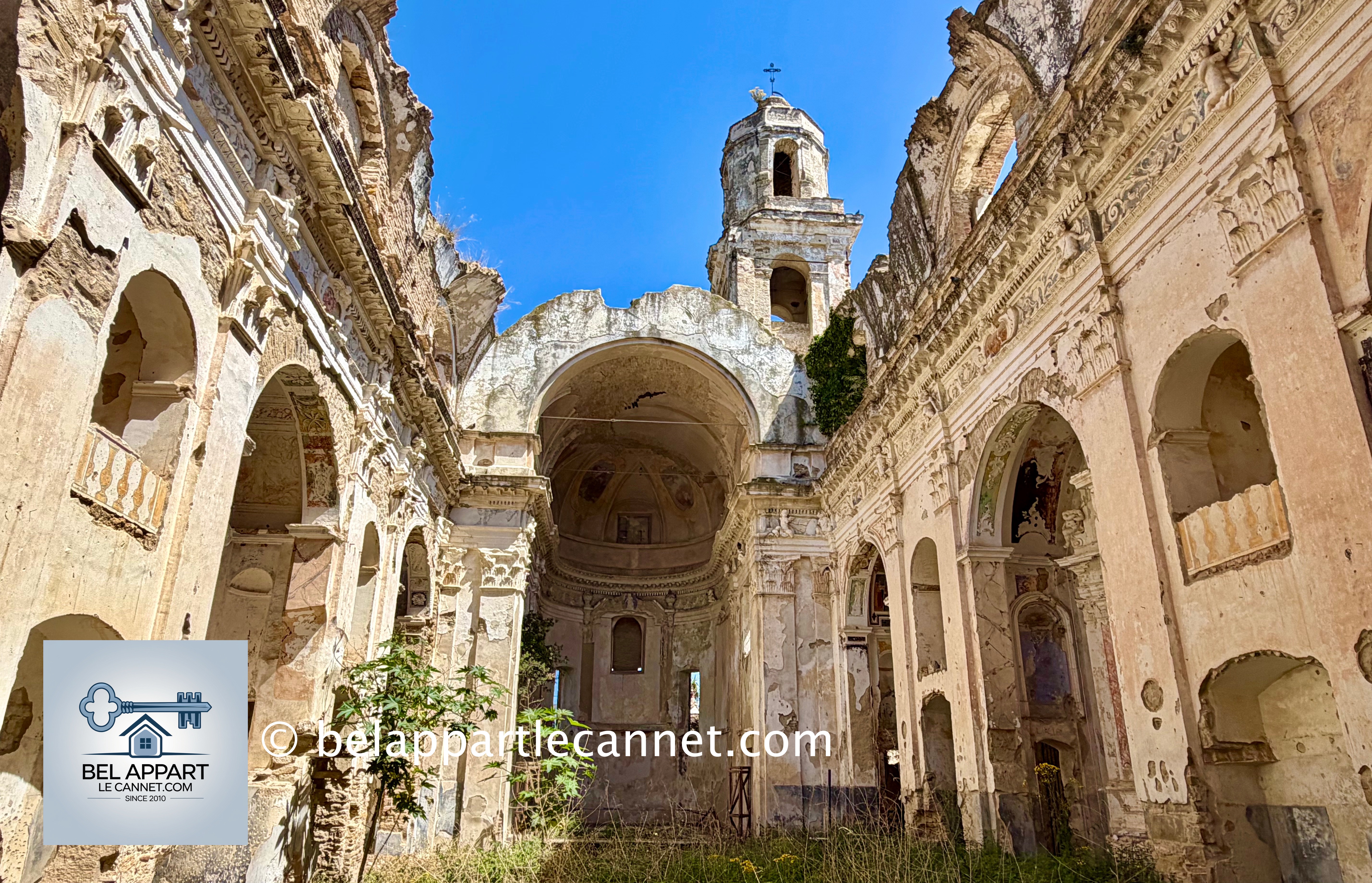
Even today, Bussana Vecchia has preserved its free-spirited and artistic soul.
It is the perfect place to wander slowly, discover original workshops, and experience another side of the Italian Riviera, more bohemian, more secretive, and deeply authentic.
These three destinations each reveal a very different side of Liguria:
Spending one or two days exploring the Italian border towns offers a true change of scenery just a few kilometers
from the French Riviera. In less than two hours’ drive, the atmosphere changes completely: visitors discover another culture, another gastronomy, and a distinctly Italian way of life.
From Ventimiglia to Sanremo, passing through Dolceacqua, Alassio, and Bussana Vecchia, each stop has its own character and unique atmosphere.
It is an opportunity to stroll through medieval alleyways, discover charming hilltop villages, enjoy magnificent views over the Mediterranean Sea, and experience the Italian art of living.
Ultimately, discovering the Italian border towns means enjoying a scenic, gourmet, and Mediterranean getaway, without having to travel very far.
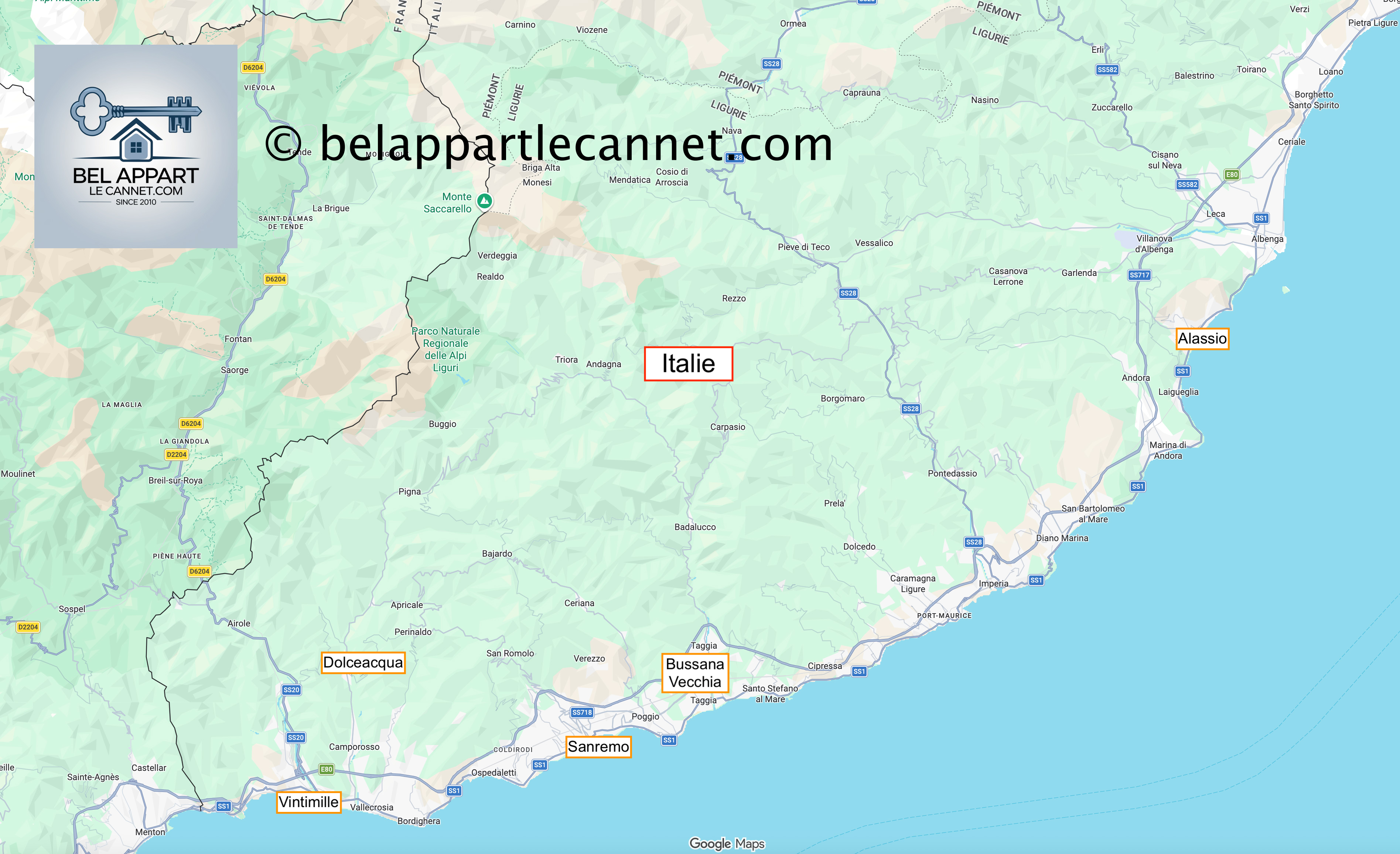
How to get to Italy
Approximately 70 km – around 1 hour from Le Cannet to Ventimiglia.
- Around 2 hours to reach Ventimiglia
- Around 3 hours to reach Sanremo, with a train change in Ventimiglia.
Ce site web utilise les cookies. Veuillez consulter notre politique de confidentialité pour plus de détails.