


BEL APPART LE CANNET.COM
--------------------------------------------------------------------------------------------
RENTAL OF FURNISHED APARTMENTS
IN THE CITY OF CANNET

BEL APPART LE CANNET.COM
--------------------------------------------------------------------------------------------
RENTAL OF FURNISHED APARTMENTS
IN THE CITY OF CANNET
Belappartlecannet.com

Do you want to discover the most beautiful landscapes of the French Riviera?
The ones that make you dream?
Here's a selection of the most beautiful places in the Alpes-Maritimes just for you.
A paradise for hikers and lovers of the great outdoors…
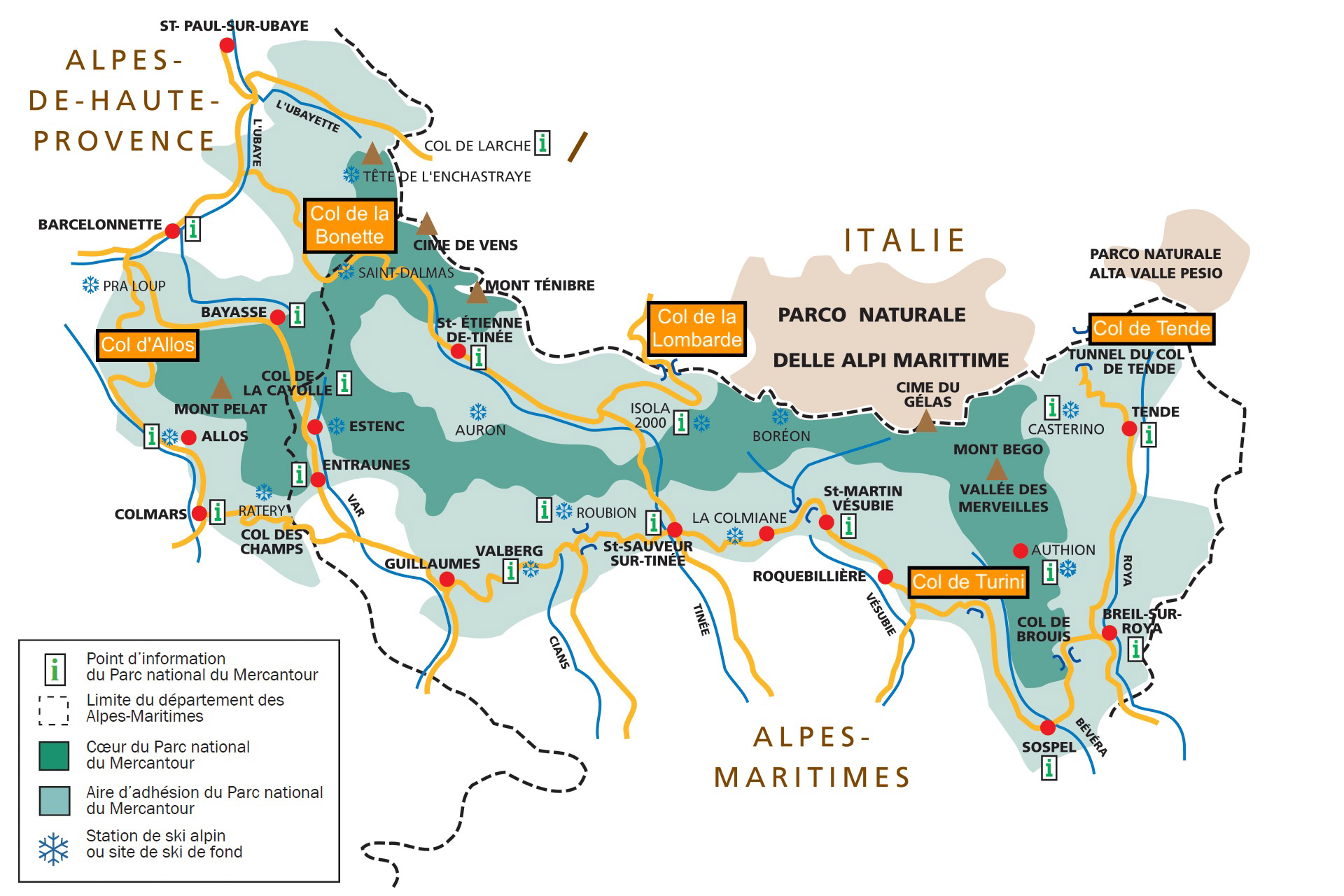
Located about two hours’ drive from Le Cannet, far from the bustle of the coast, the Mercantour National Park is a vast playground for hikers and nature lovers. A true preserved gem, it offers remarkable trails dotted with perched villages and breathtaking panoramas.
Straddling the Alpes-Maritimes and the Alpes-de-Haute-Provence, it also shares a border with the Italian region of Piedmont.
The park stretches across several iconic valleys: Roya, Bévéra, Vésubie, Tinée, Cians, Var, Verdon, and Ubaye.
Within this protected area, nature reigns supreme. Visitors can observe rich, sometimes endemic flora, along with emblematic wildlife such as chamois, marmots, and eagles. Outdoor activities abound: hiking, canyoning, rafting, climbing… In summer, it's the perfect place to escape the crowds of the coastline and enjoy peace and cool mountain air.
From sea to mountains, the Mercantour offers an exceptional diversity of landscapes, biodiversity, and geology. Its history—shaped by exchanges between Mediterranean and Alpine worlds—gives it a unique identity. From one valley to another, each place tells a different story: high-altitude lakes, vertiginous mountain passes, majestic peaks, and spectacular gorges… everything here inspires wonder.
Exploring the park is a truly immersive experience: at every bend in the road or along a trail, a new spectacle unfolds. The Mount Bégo is home to an exceptional archaeological treasure: more than 30,000 rock engravings, spread across the Vallée des Merveilles and the Val de Fontanalba, listed as Historic Monuments since 1989.
Even without being an experienced hiker, it is possible to discover this territory by car via some of the most beautiful mountain passes in the Southern Alps.
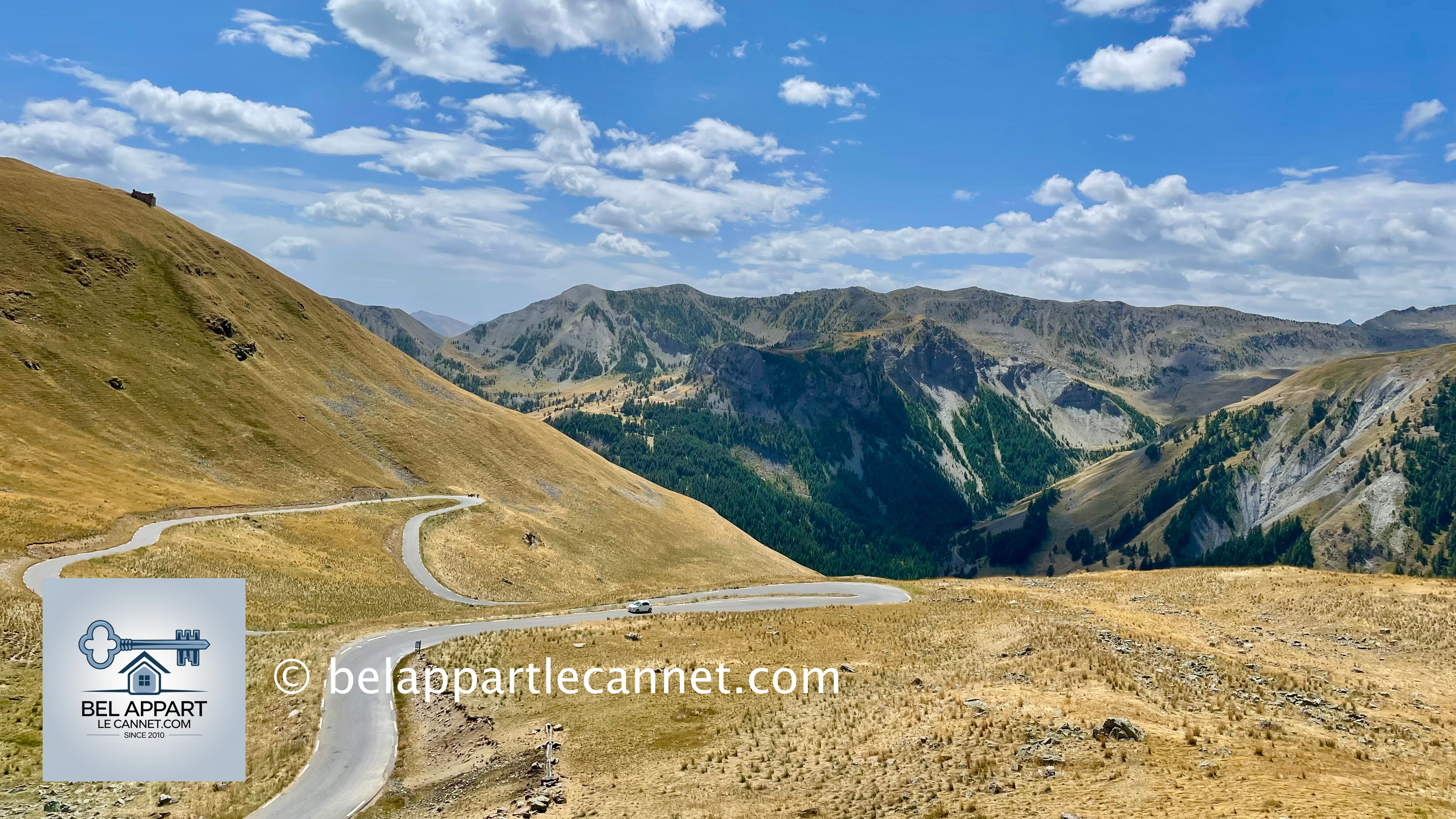
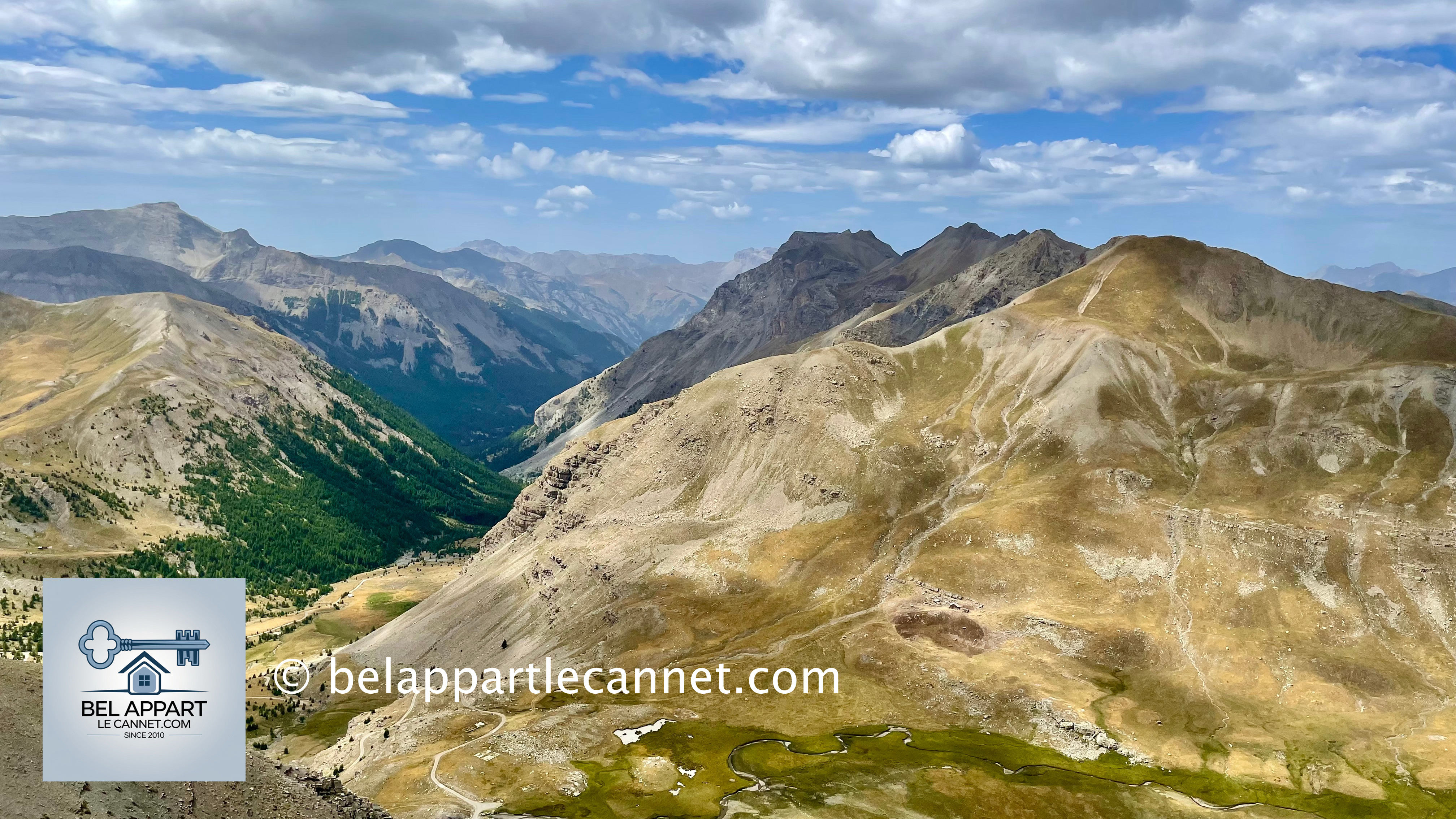
The most beautiful mountain passes in the Mercantour
Col de Turini - Turini pass
It is one of the most legendary mountain passes in the Southern Alps and undoubtedly one of the most spectacular roads in the hinterland of Nice.
Located at an altitude of around 1,600 meters in the Nice Prealps, it connects the Vésubie, Bévéra, and Paillon valleys.
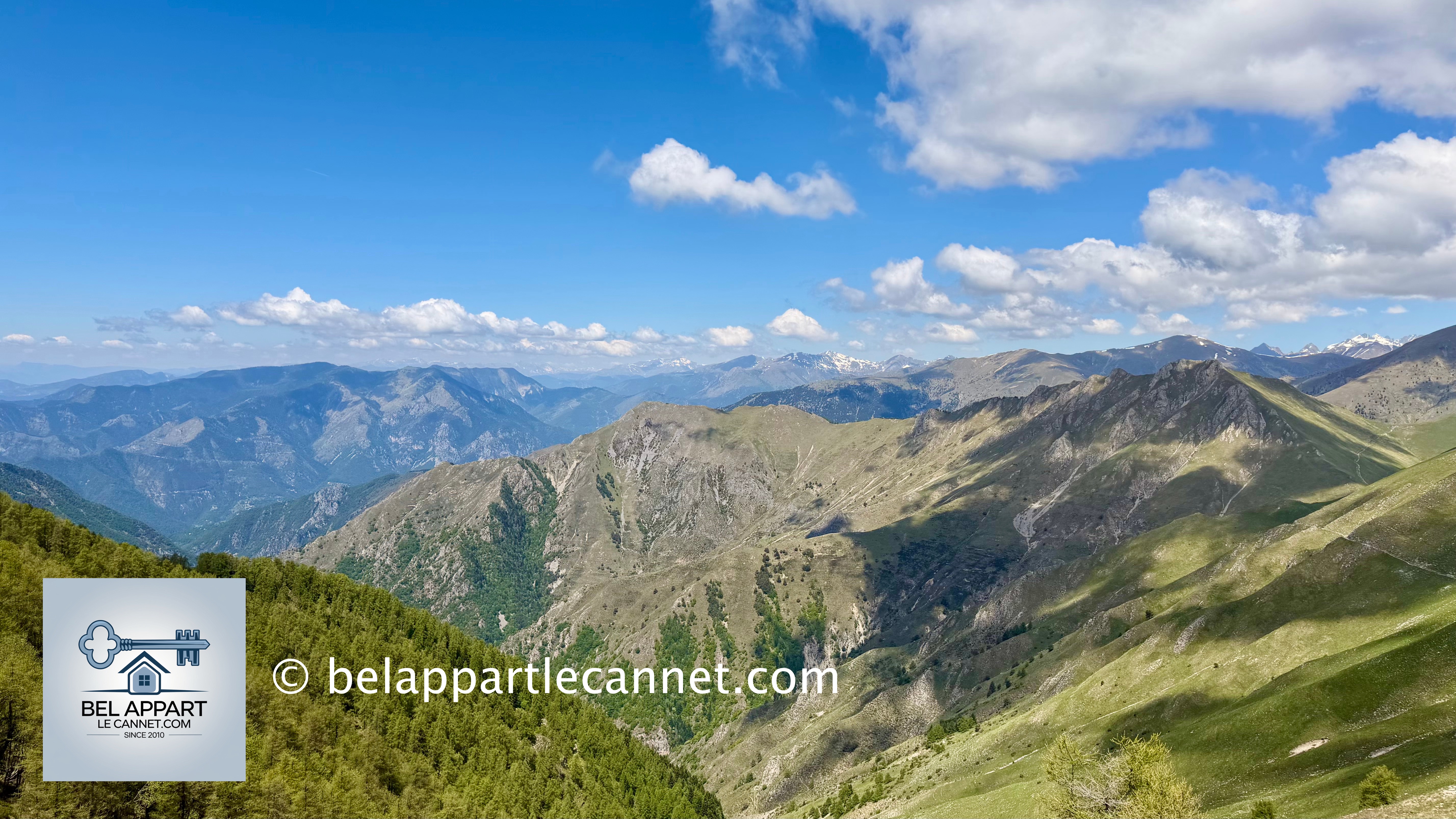
The Turini Road is famous worldwide for its countless hairpin bends and breathtaking scenery. Driving along this road is an experience in itself, whether by car, motorcycle, or bicycle.
It is especially renowned for its association with the legendary Monte Carlo Rally. For decades, this route has featured some of the most iconic special stages in rally racing.
The pass is also a paradise for nature and mountain enthusiasts. The area lies close to the Authion Massif and Camp d'Argent, a small mountain resort surrounded by forests and alpine landscapes.
From the pass, several routes provide access to the military forts of Authion, hiking trails, viewpoints overlooking the Mediterranean, and peaks rising above 2,000 meters.
On clear days, some viewpoints even offer glimpses of the sea in the distance, creating a spectacular contrast between the Alps and the Mediterranean.
The Military Forts of Authion
These military forts form one of the most impressive mountain defense complexes in the Alpes-Maritimes region.
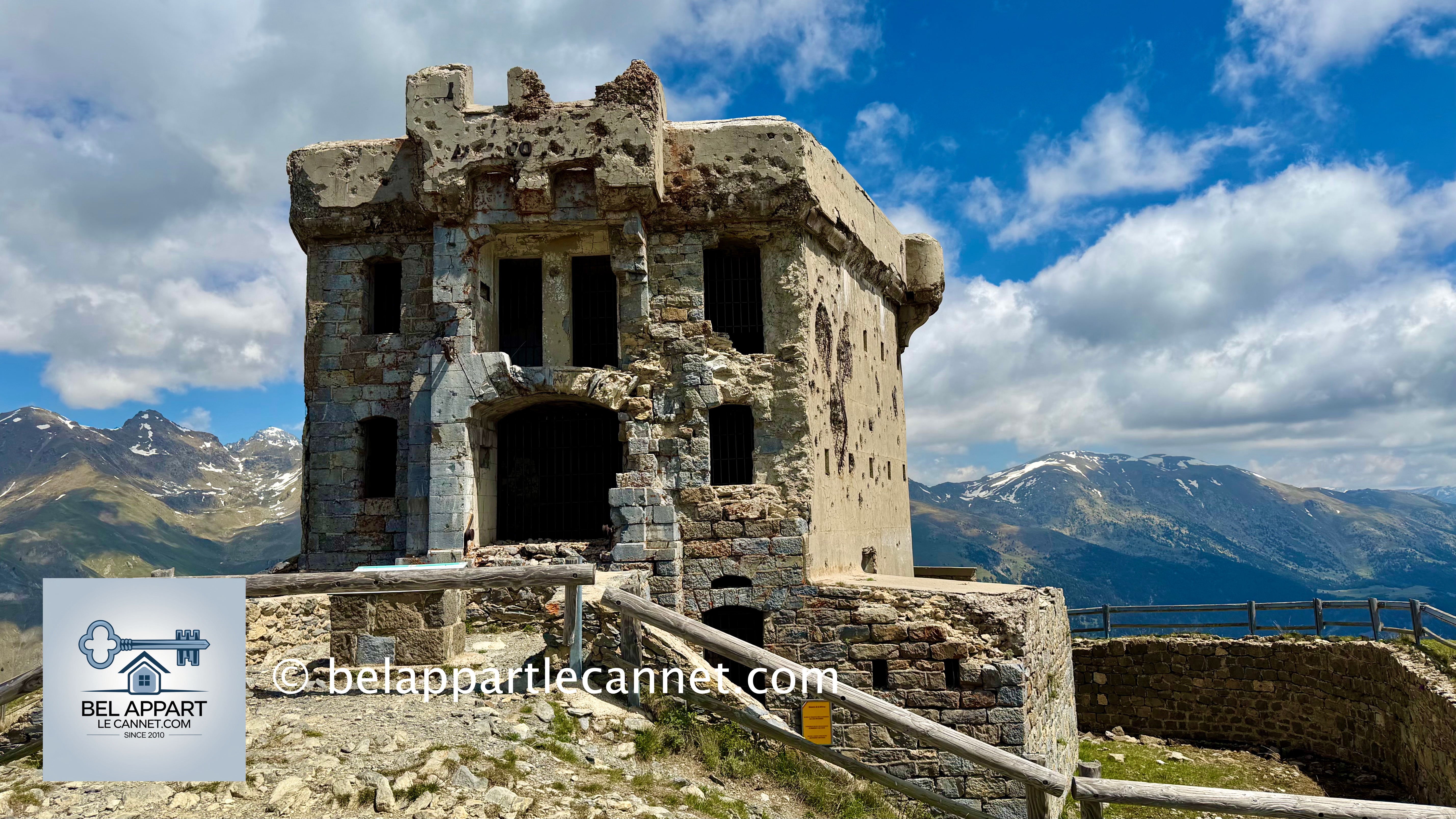
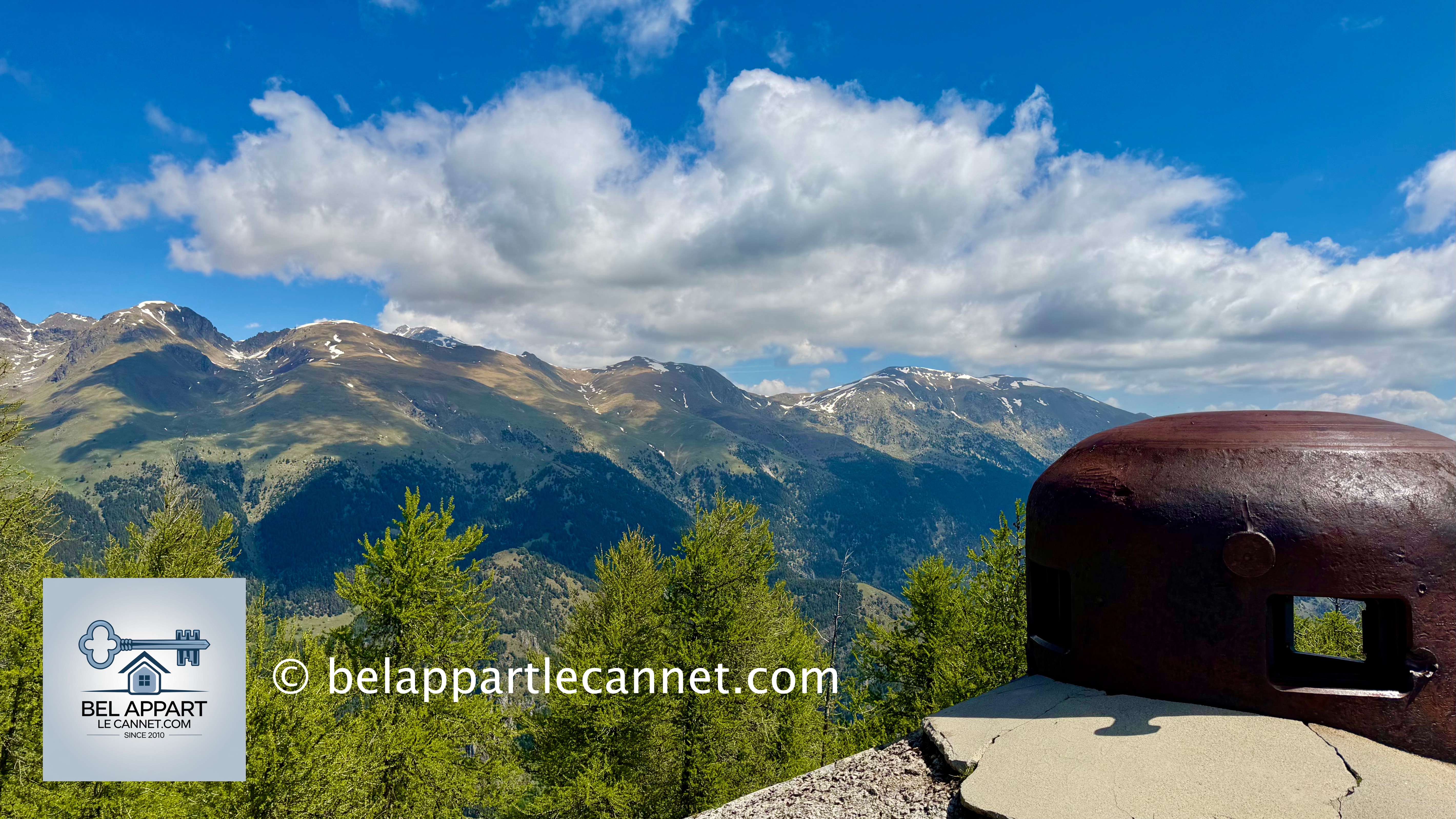
Following the annexation of the County of Nice by France in 1860, the area became strategically important because it lay directly opposite the Italian border. From the late 19th century onward, the French Army decided to fortify the entire massif in order to protect access to Nice and the Italian region of Piedmont.
These fortifications were built between the 1880s and the 1940s as part of the defensive system designed by Raymond Adolphe Séré de Rivières, sometimes referred to as the “Vauban of the 19th Century.”
A walking circuit allows visitors to discover the various fortifications on foot while enjoying an exceptional natural setting on the doorstep of the Mercantour National Park.
On the way, don't hesitate to stop and discover the charming Notre-Dame de la Ménour Chapel.
Notre-Dame de la Ménour Chapel
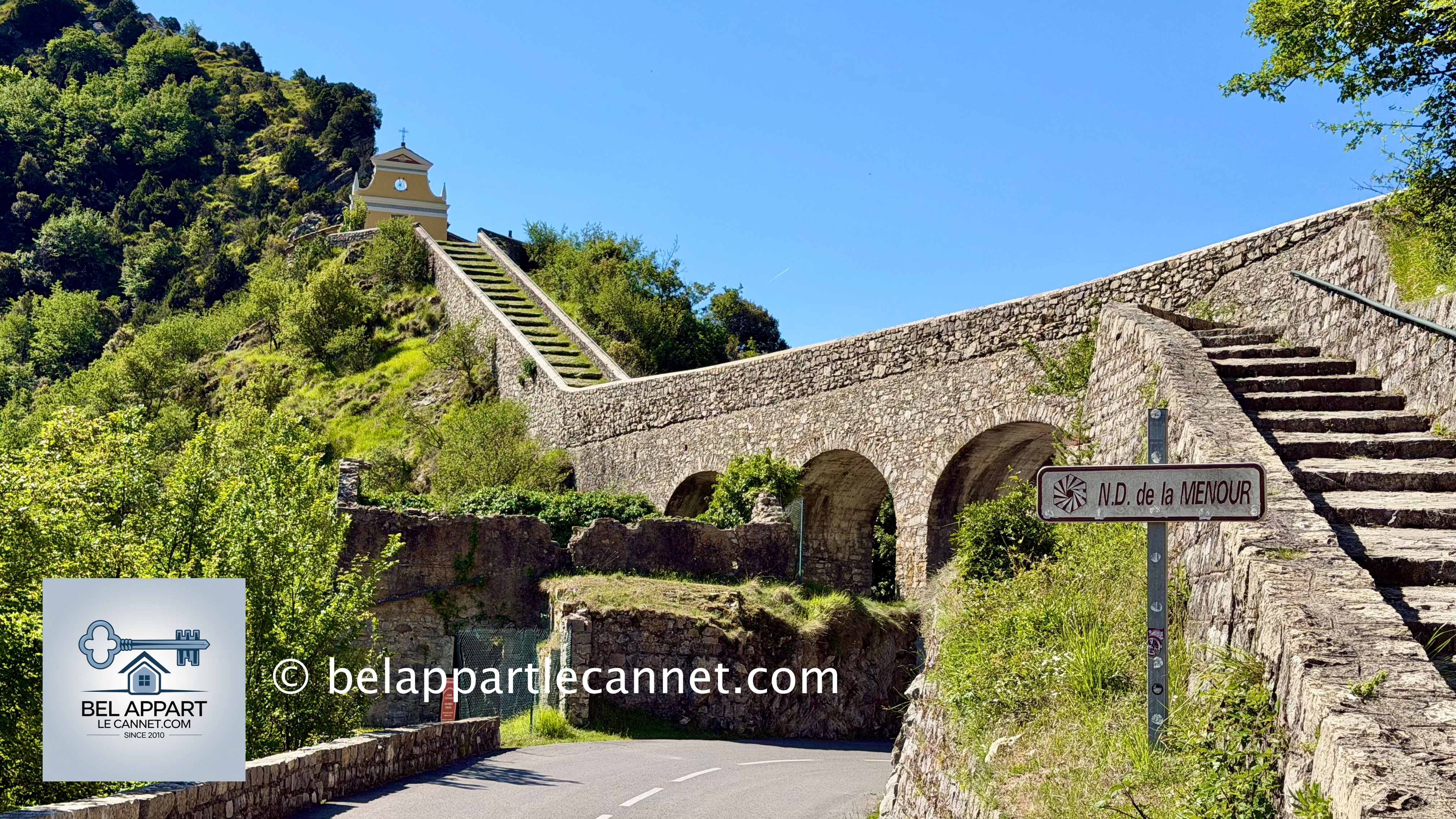
Located between the villages of Sospel and Moulinet, on the road leading to the legendary Col de Turini, Notre-Dame de la Ménour Chapel is undoubtedly one of the most surprising and least-known monuments in the hinterland of Nice.
Perched on a rocky outcrop at an altitude of around 780 meters, it overlooks the Piaon Gorge and the Bévéra Valley in a spectacular natural setting.
What immediately catches the eye, however, even before the chapel itself, is its remarkable monumental staircase-bridge. A true architectural feat, this structure first crosses the road and the ravine before climbing in a straight line up to the sanctuary. Its striking appearance has earned it the nickname “the Mini Great Wall of China of the Alpes-Maritimes.”
This impressive staircase, which has been listed as a Historic Monument since 1937, is by itself a compelling reason to stop and admire the site while travelling through the region.
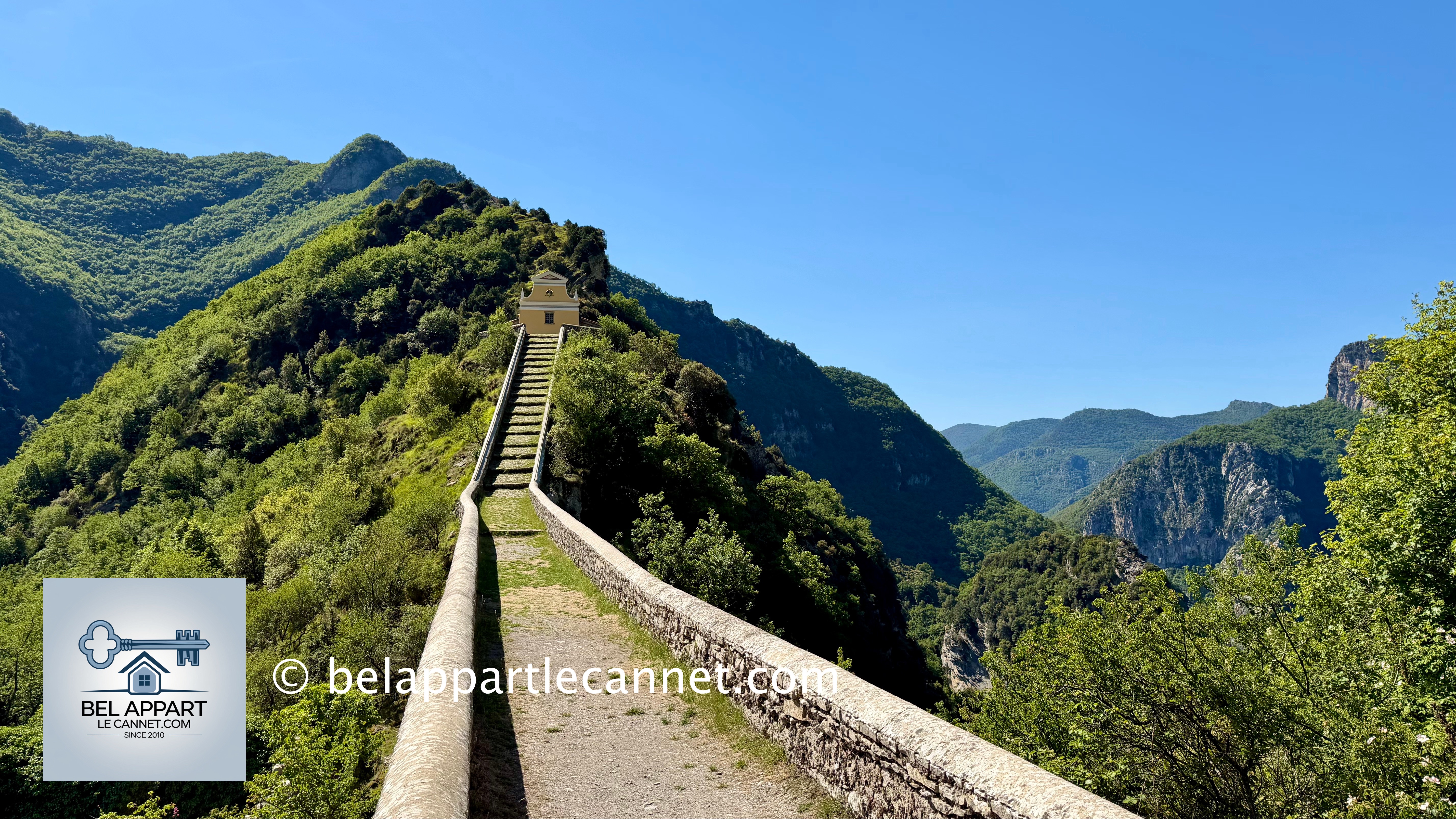
A place of pilgrimage for centuries, Notre-Dame de la Ménour has a particularly rich history. The oldest parts of the chapel date back to the 12th century. At that time, the Romanesque chapel played a role in the defense of the nearby Castle of La Ménour, which overlooked and controlled the valley.
Some architectural features, notably an opening resembling an arrow slit, still bear witness to this former defensive function.
After climbing the steps of the monumental staircase, the reward is immediate. From the sanctuary’s terrace, visitors are treated to sweeping views over the mountains of the Bévéra Valley, the surrounding forests, and the peaks that herald the beginning of the Mercantour massif. It is a place that naturally invites contemplation, tranquility, and photography.
Even today, the chapel retains a strong spiritual significance. Pilgrimages are held there every year, particularly on Easter Monday, Whit Monday, and September 8th, perpetuating a centuries-old tradition cherished by the residents of Moulinet.
Having been exposed to the elements for many years, the chapel underwent a major restoration project that was completed in 2019, restoring the monument to its former beauty and preserving it for future generations.
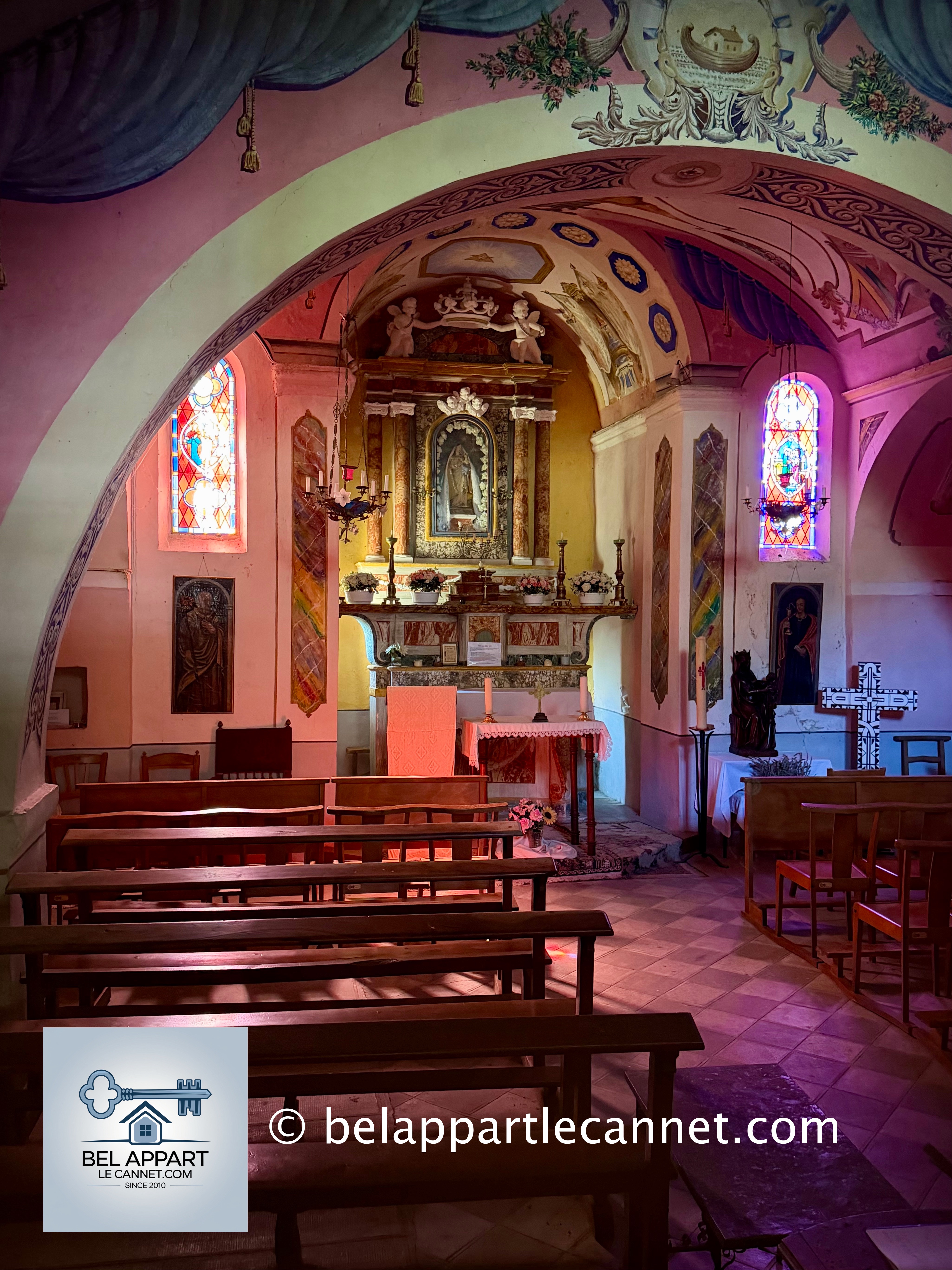
The chapel is not usually open to the public, but visits can be arranged upon request through the Moulinet Town Hall. Even when closed, the site is well worth a stop, as its setting is truly exceptional.
Notre-Dame de la Ménour is undoubtedly one of the most beautiful stops to make on the road to the Col de Turini. Suspended between sky, mountains, and history, this timeless place never fails to surprise those who take a few moments to discover it.
How to get to the Col de Turini
• By car: (98 km – 2h)
Col de la Lombarde - Lombarde Pass
Located at 2,350 meters above sea level, the Col de la Lombarde marks the border between France and Italy, linking the Tinée Valley to the Italian region of Piedmont.
Just a few kilometers from the Isola 2000, it is easily accessible while offering a real change of scenery.
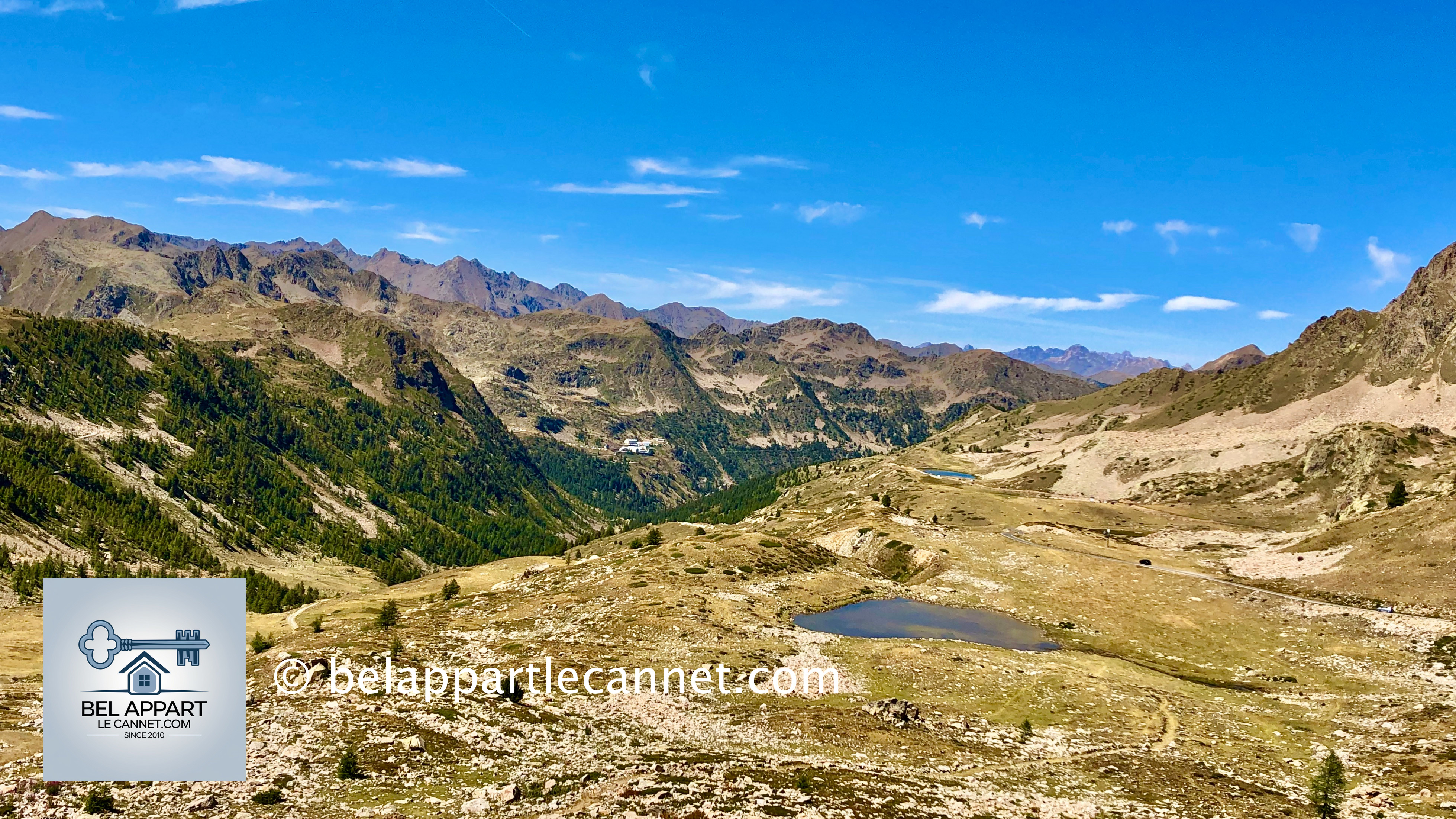
The climb on the French side is fairly gentle, with wide bends crossing lush alpine meadows. As you gain altitude, the landscape becomes more mineral and wild, opening onto vast panoramas of the surrounding peaks.
At the summit, you are rewarded with sweeping views over the Southern Alps, where soft rolling relief meets more rugged ridgelines. The area is often quieter than other major passes, allowing you to fully enjoy the scenery in a peaceful atmosphere.
Military remains and fortifications
Like almost all mountain passes in the Southern Alps, you can discover military remains and fortifications along the way.
Perched at an altitude of over 2,300 meters, the Col de la Lombarde is a border pass between France and Italy with a long strategic history linked to the defense of the Alps.
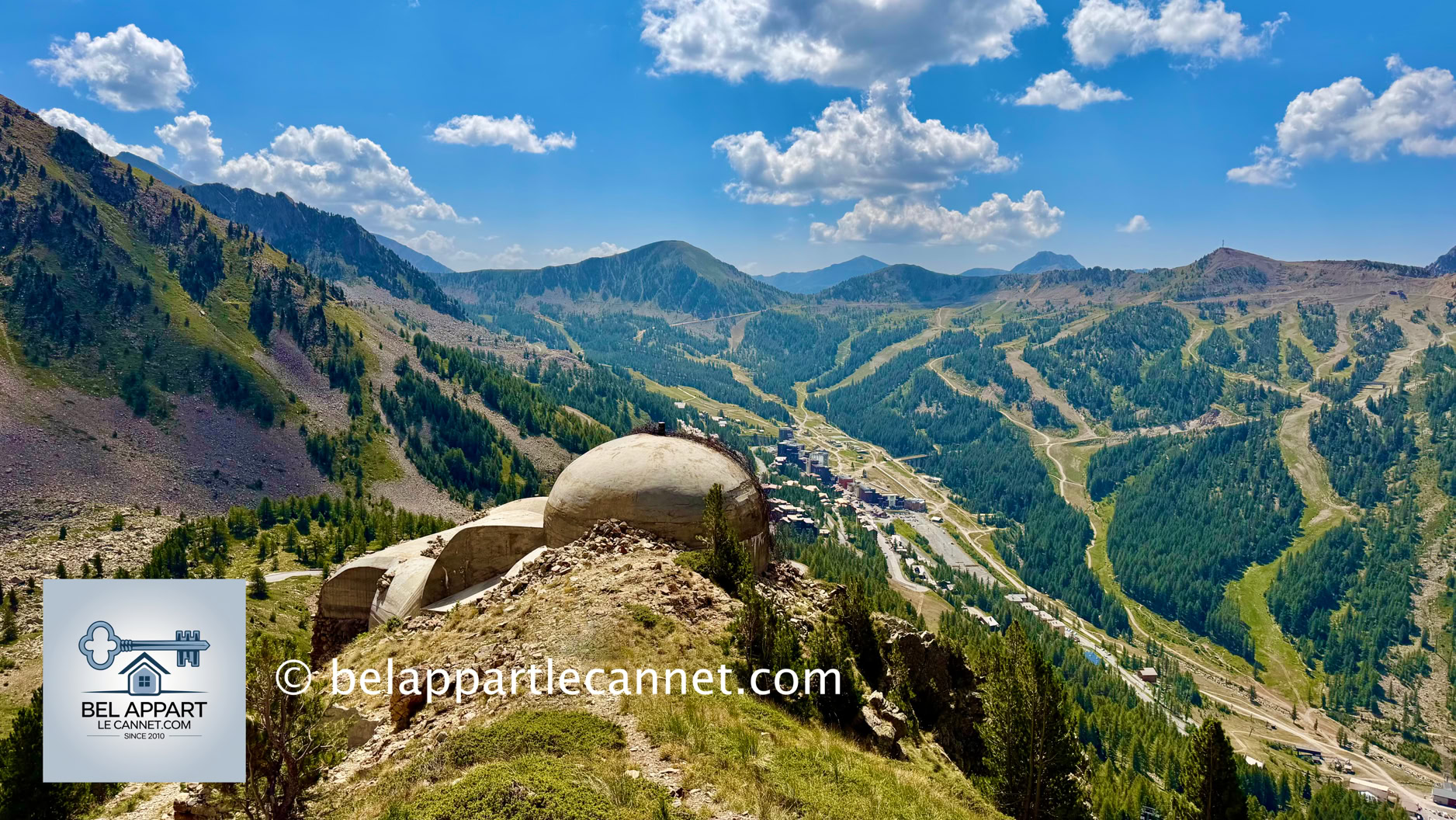
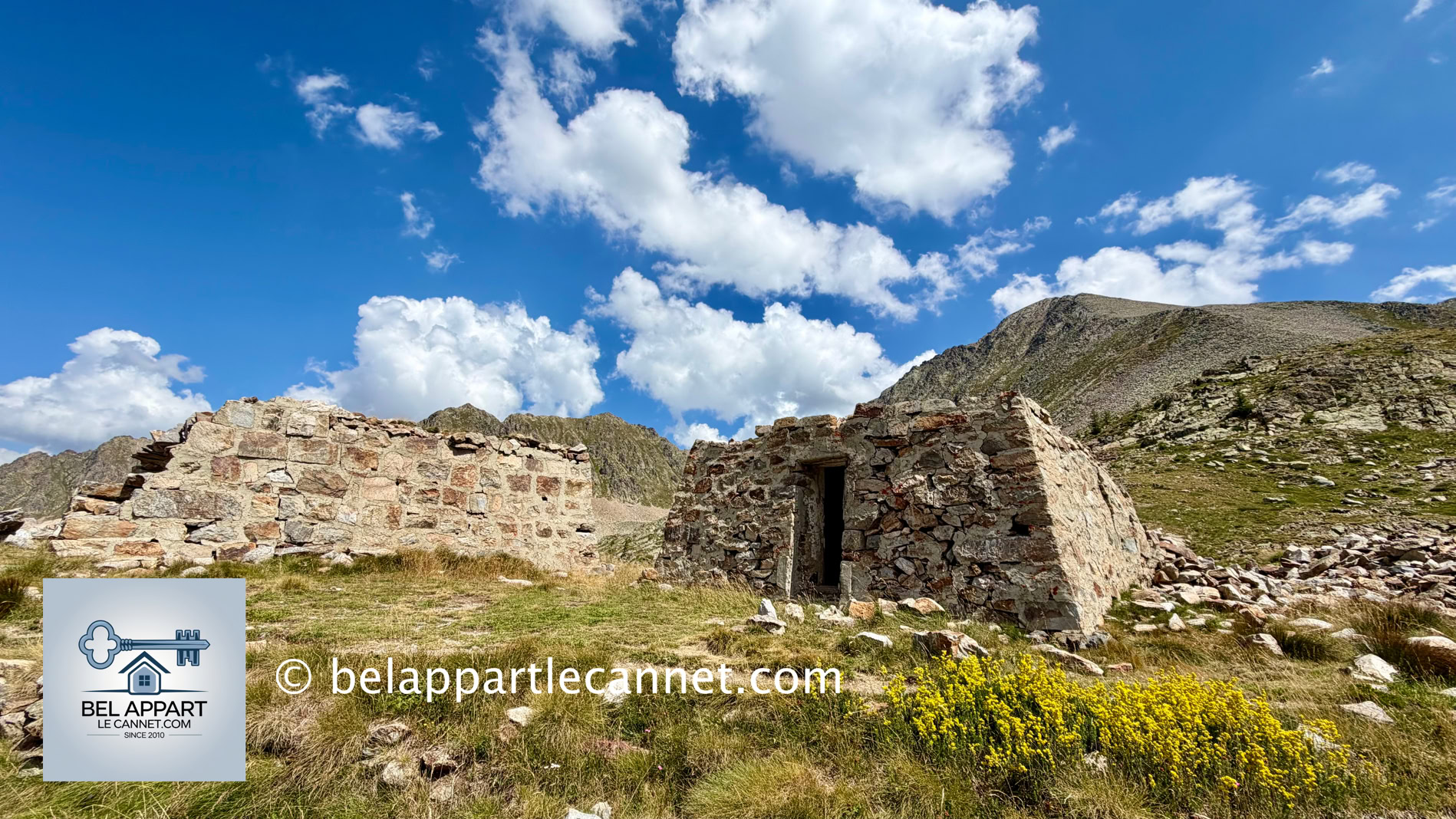
In the 1930s, as tensions increased between Benito Mussolini’s Fascist Italy and France, both countries significantly strengthened their Alpine border defenses.
The Col de la Lombarde then became a strategic crossing point that needed to be protected.
These military installations included bunkers, reinforced concrete casemates, underground tunnels, observation posts, barracks, and defensive lines built along the mountain ridges.
The fortifications of the Col de la Lombarde were constructed around 1930, but many remained unfinished when war broke out in 1940.
How to get to the Col de la Lombarde
• By car: (112 km – 2h10)
Col de Tende - Tende Pass
Located at 1,871 meters above sea level, the Col de Tende marks the border between France and Italy, linking the Roya Valley to the Italian region of Piedmont.
It is a pass steeped in history, used since Antiquity as a strategic crossing between the two countries.

Its most distinctive feature lies on the Italian side, famous for its spectacular series of hairpin bends—more than 40 switchbacks—offering exceptional panoramic views of the surrounding mountains. Parts of the road remain unpaved, giving it an authentic, adventurous feel, highly appreciated by 4x4 and motorcycle enthusiasts.
The Col de Tende is no exception...
Like many strategic passes in the border Alps, it boasts an impressive military heritage overlooking the mountains between France and Italy.
At the summit, you’ll discover remains of military fortifications (Forts Central, Tabourde, Pernante…), bearing witness to the strategic importance of the pass in the 19th century. These structures also provide breathtaking panoramic views.
The Central Fort
At its summit stands the famous Fort Central, an imposing fortress perched at an altitude of more than 1,900 meters.
Surrounded by its former stone military buildings, the fort overlooks the entire valley, offering spectacular views in a dramatic high-mountain setting.


Built in the late 19th century by the Italian Army, when the area still belonged to Italy, Fort Central was part of a vast defensive system designed to protect the Alpine border.
At the time, the Col de Tende was a strategic route linking the Italian region of Piedmont with the County of Nice.
The pass is also an excellent starting point for numerous hikes, in a wild and preserved environment of alpine meadows and rocky ridgelines.
A place that is at once historical, spectacular, and truly scenic—well worth a detour during a road trip through the Mercantour National Park.
How to get to the Col de Tende
• By car: (120 km – 2h10)
Col de la Bonette - Bonette Pass
Rising to 2,715 meters above sea level, the Col de la Bonette is one of the most impressive and legendary passes in the Alps.
It connects the Tinée Valley with the Ubaye Valley and offers a unique experience for both drivers and cyclists.
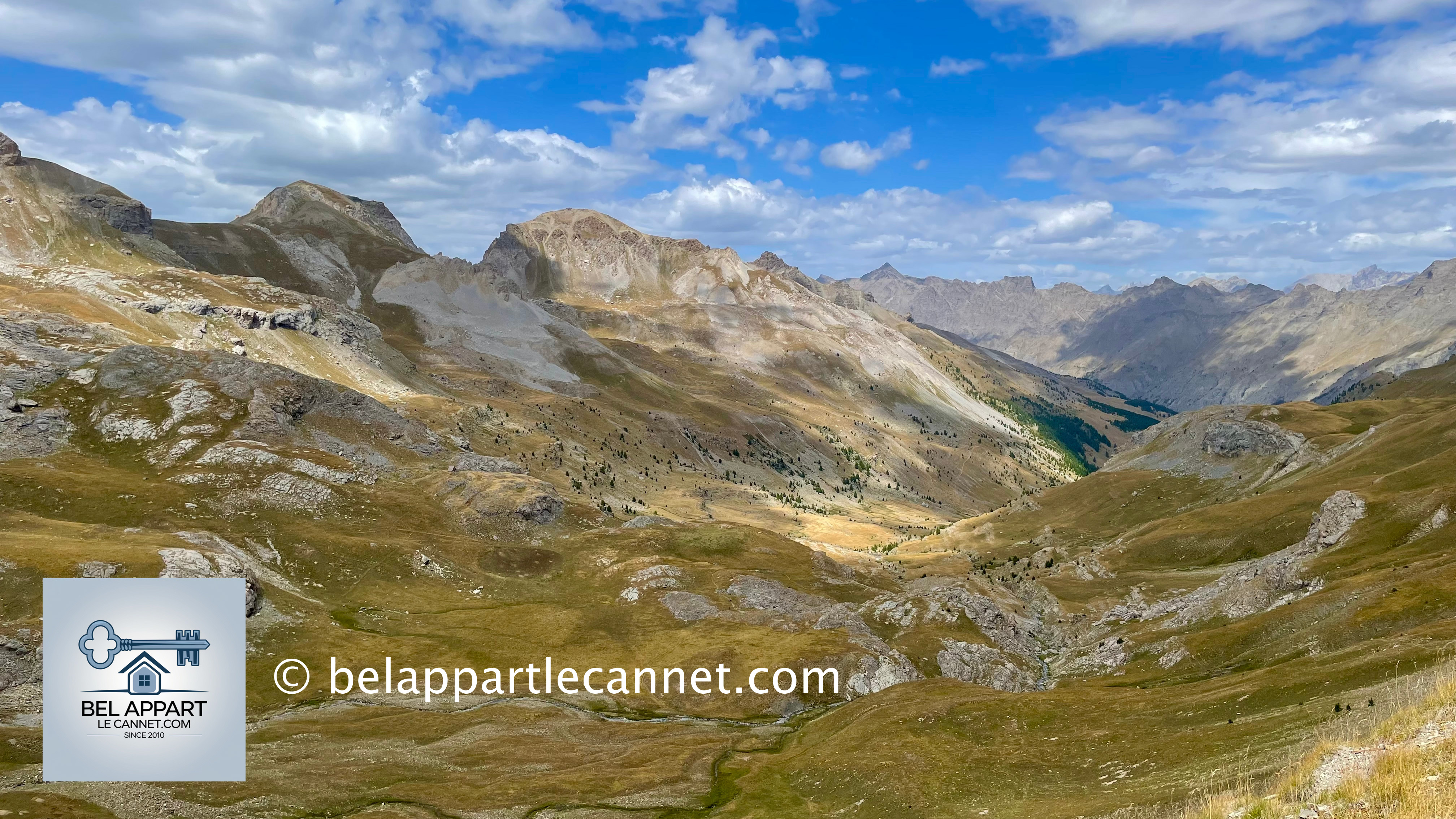
From the very first kilometers, the road sets the tone: a gradual ascent through grand landscapes, where green alpine meadows slowly give way to a more mineral and wild environment. As you gain altitude, the scenery becomes increasingly spectacular, with a sense of vastness that stays with you all the way to the top.
Once you reach the pass, don't stop there! A small paved loop allows you to climb even higher, up to 2,860 meters, making it the highest paved road in France. From the summit, the 360° panorama is simply breathtaking: an endless sea of peaks in an almost lunar atmosphere.
The site also bears traces of its military past, with several fortifications visible around the summit, recalling the strategic importance of this former route between France and Italy.
A grand, spectacular, and unforgettable place—sure to be one of the highlights of your journey through the Mercantour National Park.
The Fourches Camp
Perched at an altitude of around 2,280 meters on the road to the Col de la Bonette, this vast abandoned military camp now seems frozen in time amid the magnificent landscapes of the Mercantour region.
Built from the late 19th century onward, the camp formed part of the extensive French defensive system created to protect the Alpine border following France’s defeat in the Franco-Prussian War.
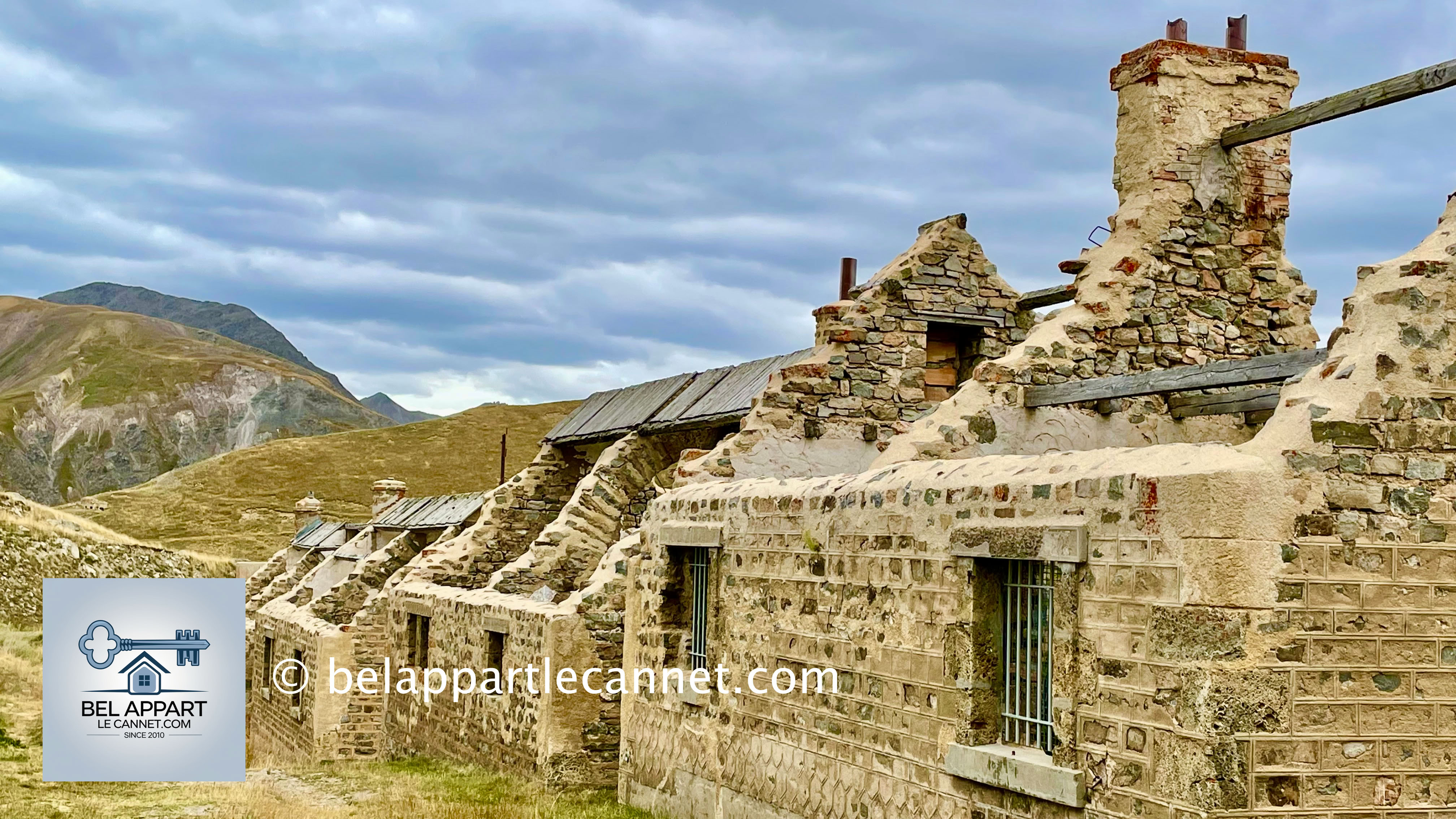
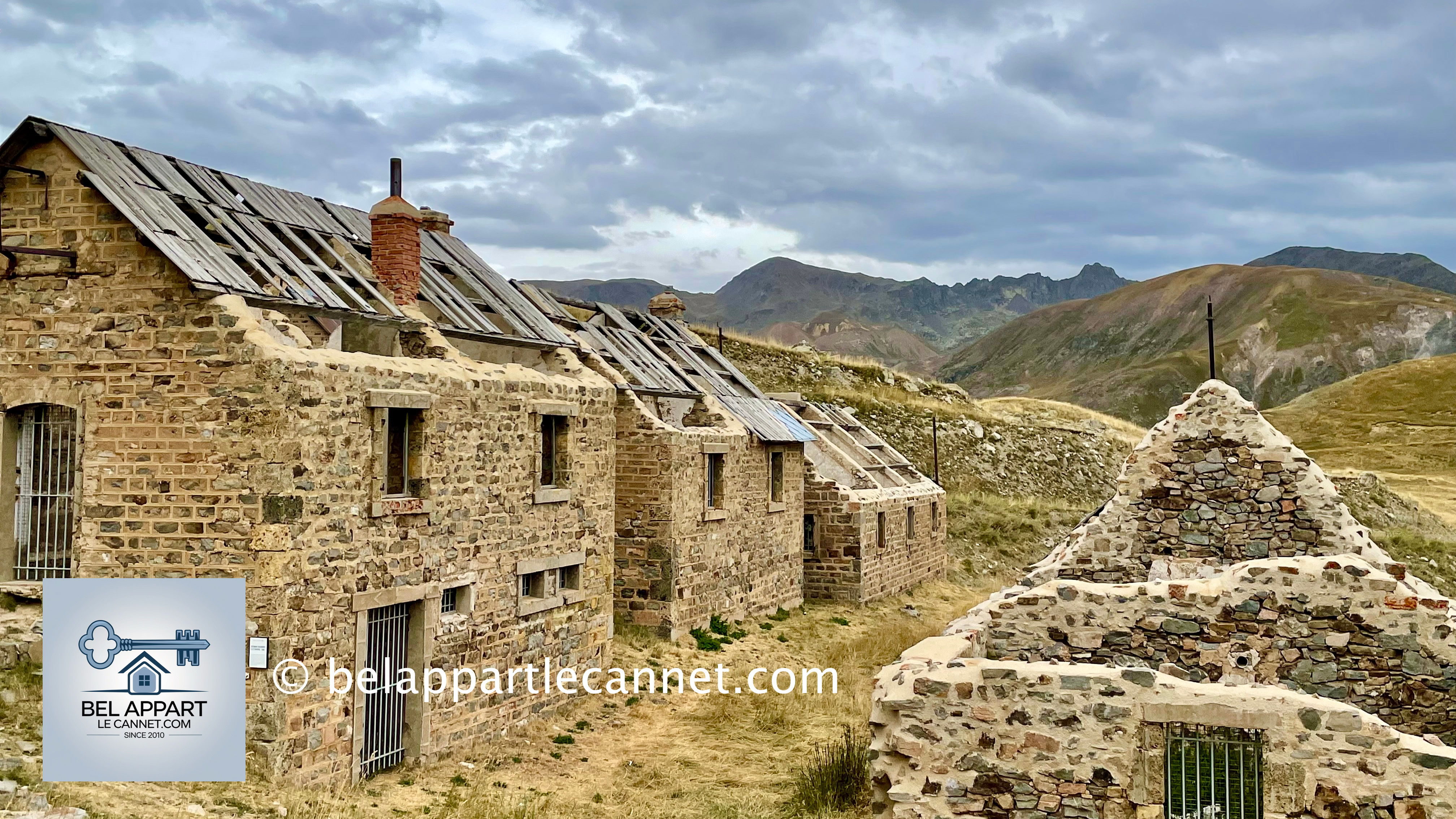
At that time, the upper Tinée Valley became a strategic area facing Italy. The French Alpine troops, known as the Chasseurs Alpins, were stationed there to monitor the border passes and defend the routes leading to Nice.
The Fourches Camp could accommodate nearly one thousand soldiers, divided among several companies of Chasseurs Alpins.
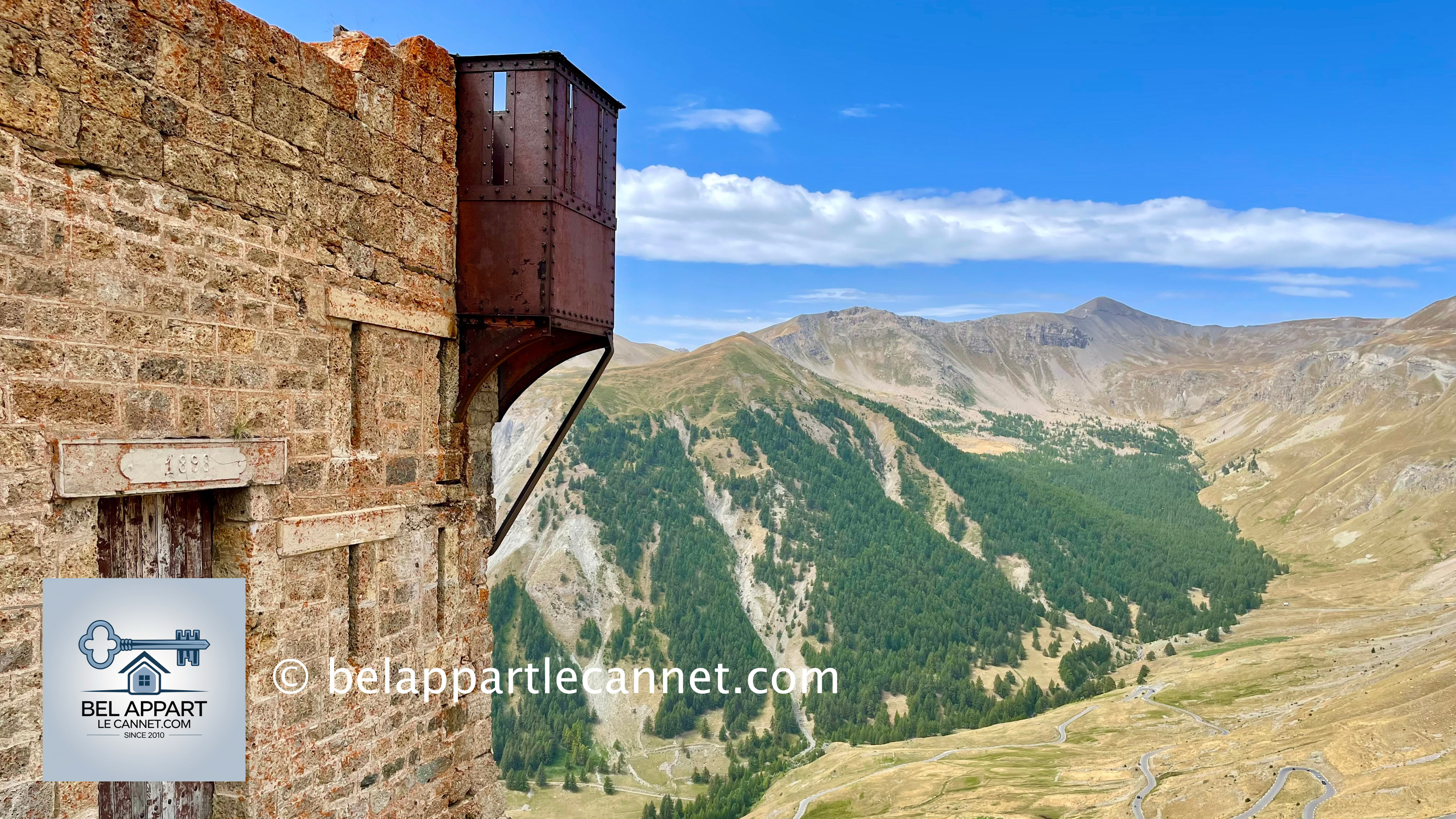
A mountain trail leads up to the small fort and the former bunkers of Les Fourches, perched on the heights above the Fourches Camp.
The hike is relatively accessible and passes through spectacular high-mountain scenery, crossing alpine meadows, rocky landscapes, and former military tracks.
Along the way, military remains emerge among the peaks of the Mercantour, creating an atmosphere that feels almost untouched by time.
How to get to the Col de la Bonette
• By car: (132 km – 2h30)
Col d'Allos - Allos Pass
Rising to 2,247 meters above sea level, the Col d'Allos connects the Ubaye Valley with the Verdon Valley.
It is one of the wildest and most authentic passes in the area, offering a true immersion in the heart of the mountains.

The narrow, winding road clings to the mountainside and passes through a variety of landscapes: larch forests, lush alpine meadows, and increasingly mineral terrain as you approach the summit. The climb requires some attention, but it is richly rewarded by the breathtaking views revealed at every turn.
At the top, the scenery is magnificent: open views over both valleys, with an incredible sense of space and freedom. The atmosphere is peaceful and unspoiled, far from the main tourist routes.
Nearby, you can reach the famous Lac d'Allos, the largest natural high-altitude lake in Europe. A short hike leads to this gem nestled at over 2,200 meters, surrounded by majestic peaks—an absolute must for nature lovers.
A wild, preserved, and deeply rejuvenating mountain pass, perfect for reconnecting with nature.
How to get to the Col d'Allos
• By car: (170 km – 3h)
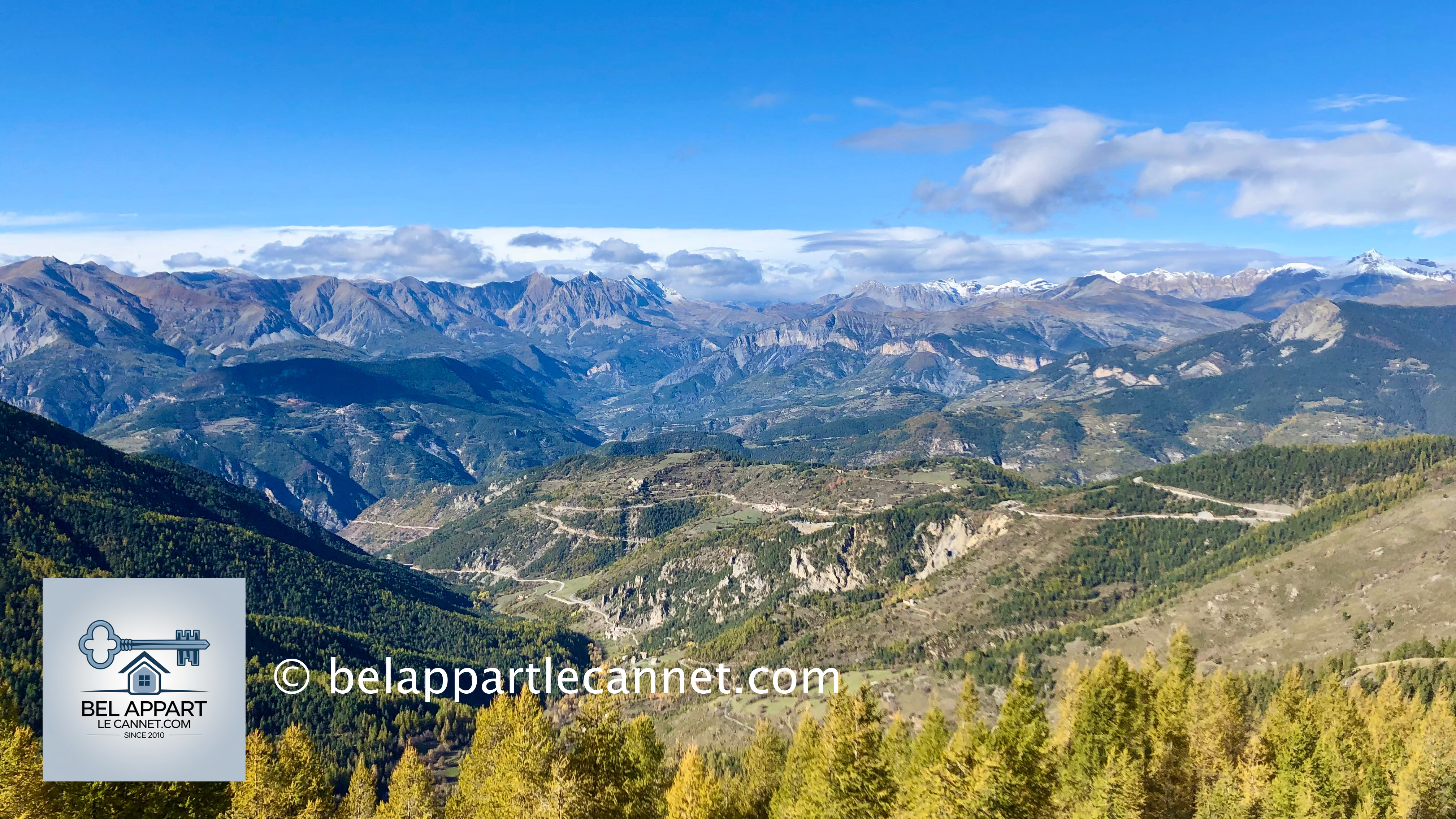
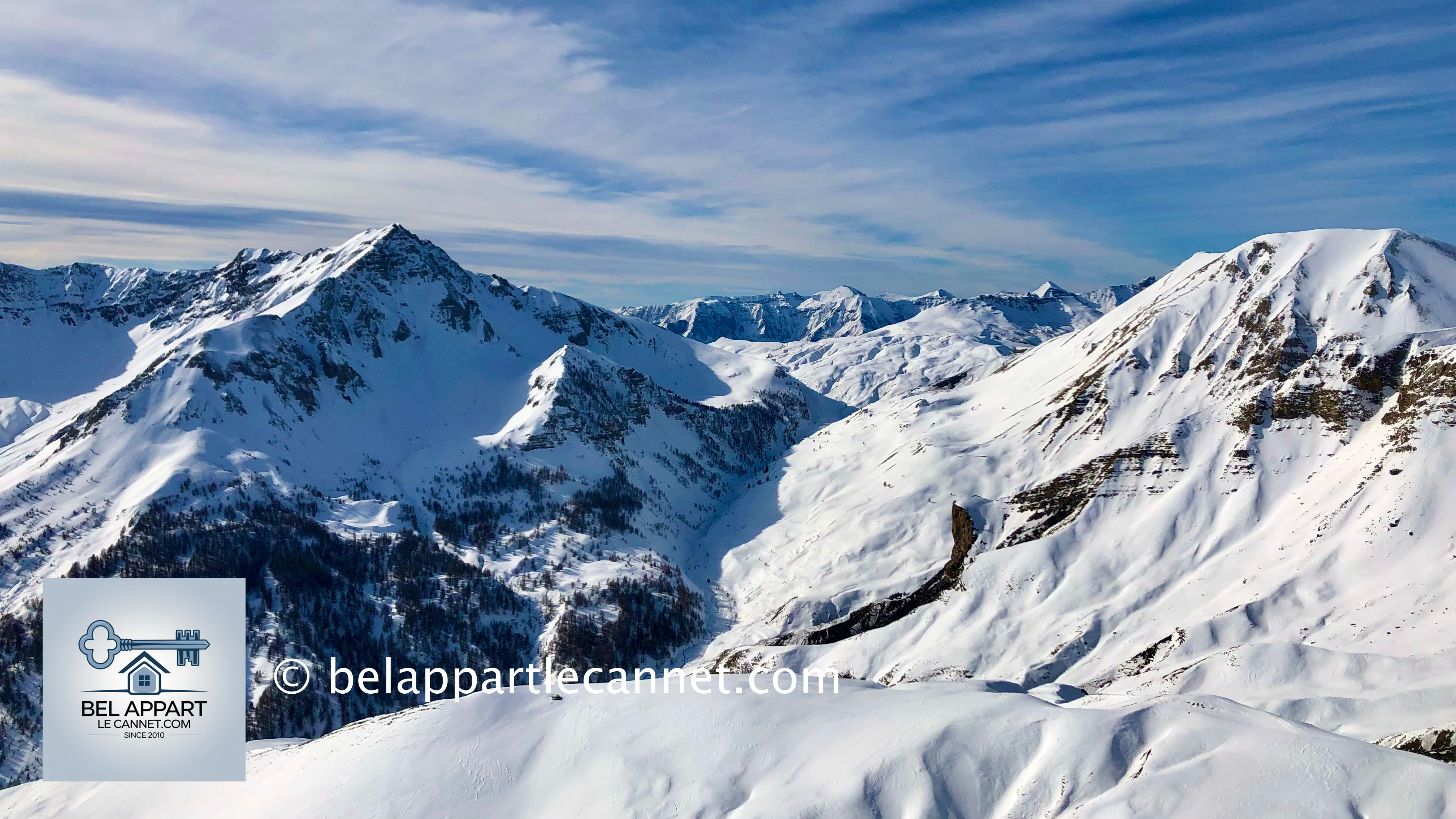
Exploring the passes of the Mercantour National Park is much more than a simple drive—it's a true journey through the mountains.
From one pass to another, the landscapes constantly evolve: from lush alpine meadows to mineral terrains, from forests to wind-swept peaks. Each road is an experience in itself, and every turn reveals a new panorama, more impressive than the last.
You quickly realize the richness and diversity of this territory, where nature reigns supreme. Whether for the pleasure of driving, admiring the scenery, or simply stopping to take it all in, these mountain passes offer timeless moments.
It's a succession of sensations—between wonder, freedom, and serenity—an immersive experience in a preserved and majestic environment.
One thing is certain: after traveling these high-altitude roads, you’ll only want one thing… to come back.
Perfect for a scenic one-day road trip. 🚗🏔️
========================================================================
💡 Good to know:
- Mountain passes may be closed to traffic during the winter season due to heavy snowfall.
In addition, winter equipment is mandatory from November 1 to March 31: snow tires, chains, or snow socks are required depending on conditions.
- The “Cols réservés” initiative allows, on certain mornings, these roads to be enjoyed without cars or motorcycles. A unique experience—especially for cyclists, or simply to enjoy the peaceful silence of the mountains.
Ce site web utilise les cookies. Veuillez consulter notre politique de confidentialité pour plus de détails.